
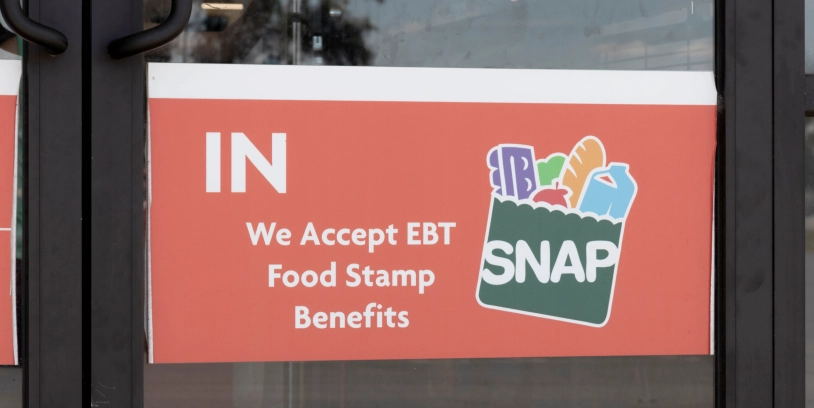
The U.S. Department of Agriculture unveiled a proposal to strengthen USDA SNAP retailer stocking requirements, aiming to improve nutrition access while cracking down on fraud.
In a press release, Secretary of Agriculture Brooke L. Rollins stated that the reforms would raise the bar for food retailers that accept Supplemental Nutrition Assistance Program benefits.
USDA Pushes for Healthier Food Options
Rollins said the current requirements allow retailers to cut corners, leaving families with too few nutritious choices. She described the new proposal as “common-sense changes” designed to expand access to real food.
“Retailers participating in SNAP need to sell real food, plain and simple,” Rollins said. “Right now, the bar for stocking food as a SNAP retailer is far too low, allowing people to game the system and leaving vulnerable Americans without healthy food options.”
The proposal aligns with the USDA’s strategy to strengthen nutrition programs, reduce waste, and ensure that taxpayer dollars support genuine food access.
What the New Stocking Requirements Would Change
Currently, retailers are required to offer three varieties in each of the four staple food categories: dairy, protein, grain, and fruits and vegetables. That amounts to just 12 items.
The new proposal would:
- Increase variety requirements to seven per category, more than doubling options.
- Close loopholes that allow certain snack foods to qualify as staples.
- Simplify food classifications to make compliance easier for retailers and enforcement more precise for USDA officials.
By requiring more staples and fewer processed items, the USDA aims to improve the nutritional quality of foods available through SNAP.
Related Article: Independent Grocers Warn SNAP Cuts Threaten Access to Food
Addressing Fraud and Abuse in SNAP
The department stressed that weak standards expose SNAP to fraud, waste, and abuse. Low requirements have allowed some retailers to qualify without focusing on real food sales.
With nearly 266,000 retailers redeeming $96 billion in benefits annually, Rollins said accountability must be strict. “No amount of fraud will be tolerated,” she noted, adding that the proposed rule will help block bad actors from exploiting the system.
Broader Push for Nutrition Integrity
The stocking reforms are part of a broader USDA effort to reorient SNAP toward healthier eating. The agency has already approved 12 states to test restrictions on certain unhealthy food purchases, including sugary snacks and drinks.
USDA officials argue these policies reflect the program’s original intent: supporting nutrition security rather than subsidizing processed or unhealthy products.
“Families who rely on SNAP deserve access to fresh, whole foods,” Rollins said. “This proposal sends a clear message that the program exists to serve participants, not retailers seeking quick profits.”
Retailer Impact and Compliance
For grocery stores and convenience outlets, the updated USDA SNAP retailer stocking requirements may necessitate adjustments to supply chains, the expansion of fresh produce options, and a review of shelf standards.
USDA said it plans to simplify classification rules so stores can understand expectations without confusion.
Industry groups are expected to weigh in during the rule’s comment period.
The proposed stocking requirements reflect growing bipartisan pressure to strengthen nutrition programs, reduce fraud, and respond to criticism that SNAP has become too vulnerable to abuse.
If enacted, the new standards would reshape how retailers stock their shelves, pushing the nation’s most extensive food assistance program toward healthier outcomes.
Rollins called the proposal a commitment to both nutrition integrity and the American taxpayer. “We must safeguard SNAP to protect families and preserve the trust of the public who fund it,” she said.