
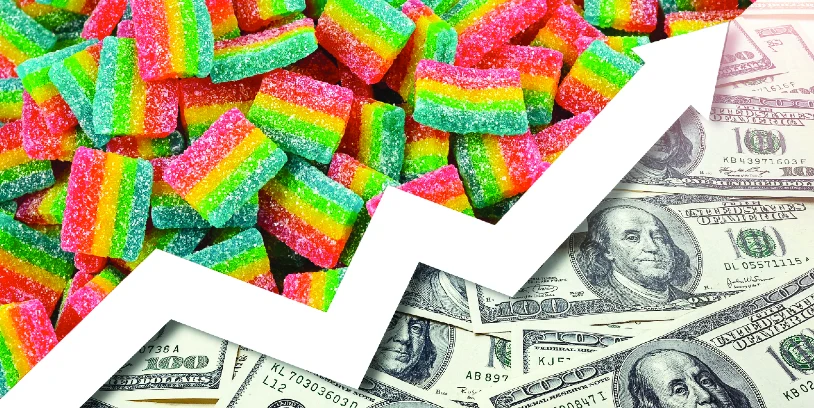
The proposed Trump tariffs, if enacted, could significantly increase the prices of candy and snacks across the United States. Key imports such as sugar, cocoa, vegetable oils, and packaging materials would be subject to new levies, raising costs for food manufacturers.
Experts warn that these trade policies, aimed at protecting domestic industries, may instead drive up prices for consumer favorites while squeezing manufacturers’ profit margins.
According to the Peterson Institute for International Economics (PIIE) analysis, President Donald Trump’s proposed broad 10% tariffs would directly impact mass-consumption goods, including processed foods and confectionery.
“Consumers would pay more for almost everything, including food, because many of its ingredients are imported,” said Chad Bown, senior fellow at PIIE, in an interview with NPR. “The idea that this only affects China is false. Many countries export essential ingredients for the products we consume daily.”
Trump Tariffs Could Disrupt Food Supply Chains
The U.S. depends heavily on imports to produce a wide range of snack products. According to the U.S. Department of Agriculture (USDA), 30% of refined sugar comes from Mexico, Brazil, and the Dominican Republic. Cocoa, essential for any chocolate product, is almost entirely imported—mainly from Ivory Coast and Ghana.
Palm and sunflower oils, critical for frying and snack production, are primarily sourced from Indonesia, Malaysia, Ukraine, and Argentina. The Global Agricultural Trade System (GATS) reports that more than 60% of vegetable oils used in the U.S. food industry are imported.
According to a March 2024 report by the Food Institute, imposing Trump tariffs on these goods could lead to up to 15% cost increases.
Related Article: Walmart Warns High Tariffs Will Push Consumer Prices Higher
Brands Caught in the Middle
With rising production costs, manufacturers face a tough choice: lower profit margins or increase retail prices. In 2022 and 2023, companies such as Mondelez, Hershey, and PepsiCo raised product prices due to raw material inflation. Hershey, for instance, reported an average price hike of 14% in its 2023 year-end financial report.
“If more Trump tariffs are imposed, companies will have to choose between shrinking package sizes or raising prices even further,” said Michael Swanson, chief economist at Wells Fargo, in comments to Reuters. “Neither option is good for the consumer.”
Retailers Also Feel the Pressure
Price hikes would also affect the retail sector. Stores like Walmart, Target, and convenience chains may struggle to explain new price increases to price-sensitive customers, especially amid ongoing inflation.
According to Circana, 87% of U.S. consumers noticed higher snack and candy prices in 2023, and 42% said they cut back on purchases because of this.
Another round of price increases driven by Trump tariffs could depress sales, particularly among lower-income consumers who impulsively buy these products.
Due to tariffs, sustained cost increases could lead to layoffs, plant closures, or even production being moved offshore. According to the Food Industry Association (FMI), the U.S. food and beverage industry employs over 1.7 million people.
“The rising cost of inputs affects not only consumers but also the entire domestic production chain,” said Mark Zandi, chief economist at Moody’s Analytics, during a March investor conference. “It’s not a recipe for strengthening employment or competitiveness.”