
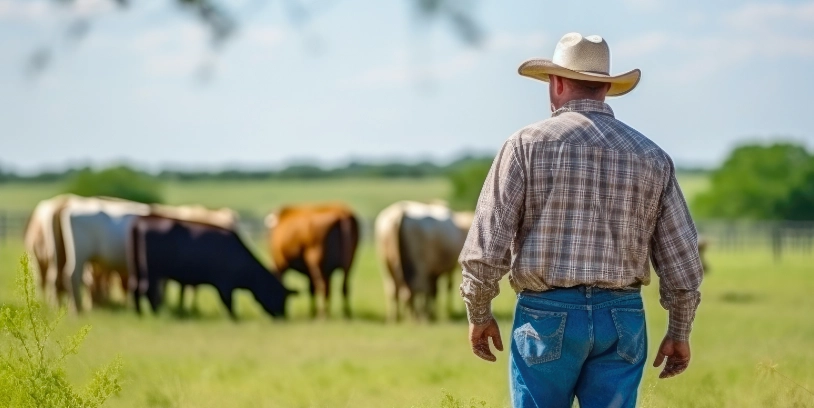
President Donald Trump’s plan to expand U.S. beef imports from Argentina ignited sharp backlash from national ranchers’ associations, which warned the move could devastate American cattle producers and destabilize rural economies already under strain.
The President said the measure aims to pressure the market and reduce meat prices for consumers. Still, major agricultural groups argue the policy will achieve the opposite—undercutting American ranchers while offering little relief to shoppers.
Cattle Groups Condemn the Decision
The National Cattlemen’s Beef Association (NCBA), United States Cattlemen’s Association (USCA), and American Farm Bureau Federation (AFBF) each issued statements condemning the plan, calling it a threat to U.S. producers and food security.
“The National Cattlemen’s Beef Association and its members cannot stand behind the President while he undercuts the future of family farmers and ranchers by importing Argentinian beef in an attempt to influence prices,” said NCBA CEO Colin Woodall. “It is imperative that President Trump and Secretary of Agriculture Brooke Rollins let the cattle markets work.”
The United States already faces a steep trade imbalance with Argentina, which has exported more than $800 million in beef to the U.S. over the past five years while buying only $7 million in return, according to NCBA data. The association also cited Argentina’s history of foot-and-mouth disease as a continuing concern for American herds.
U.S. Beef Imports from Argentina Stir Economic Fears
Reports that the administration may purchase up to 80,000 metric tons of Argentine beef—four times the existing quota—fueled alarm across the cattle sector.
USCA President Justin Tupper said such an agreement would “undercut the very foundation of our cattle industry.” He noted that both live and feeder cattle prices fell sharply following Trump’s social media post confirming the proposal.
“We oppose this kind of government intervention in the marketplace and will continue to defend ranchers from this action,” Tupper said. “Flooding the market with imports would undermine U.S. cattle producers, drive down prices for family ranchers, and weaken the fabric of rural America.”
Tupper added that while USCA welcomed aspects of the USDA’s new Plan for American Ranchers and Consumers, expanding imports directly contradicts the administration’s “America First” message.
Related Article: Circana Outlook: Food and Beverage Segment to See Moderate Growth
USDA Announces Plan to Strengthen Domestic Producers
In an effort to calm industry unrest, U.S. Secretary of Agriculture Brooke L. Rollins and three other cabinet officials unveiled a sweeping initiative aimed at reinforcing the nation’s beef sector.
Rollins said the Plan for American Ranchers and Consumers focuses on regulatory reform, expanding local processing capacity, increasing beef access in schools, and restoring grazing rights on public lands. The plan comes as the U.S. cattle herd remains at a 75-year low, with more than 100,000 operations lost in the past decade.
“America’s food supply chain is a national security priority for the Trump Administration,” Rollins said. “We are protecting our beef industry and incentivizing new ranchers to take up the noble vocation of ranching.”
Interior Secretary Doug Burgum emphasized the administration’s effort to “slash red tape” and restore grazing access. At the same time, Health and Human Services Secretary Robert F. Kennedy Jr. framed the plan as part of a broader push to “Make America Healthy Again” by encouraging natural, minimally processed foods such as beef and dairy.
Farm Bureau Urges Balance
The American Farm Bureau Federation called for restraint, warning against disrupting what it called a “fragile recovery” for the cattle sector. President Zippy Duvall said that while families face high grocery prices, ranchers remain squeezed by rising costs and weather challenges.
“If expanded imports push farmers deeper into the red, we face the unintended consequence of increasing reliance on other countries for our food,” Duvall said. “That would weaken our ability to rebuild a strong American herd.”
Industry Awaits White House Reconsideration
As producers and markets react, pressure is mounting on the White House to scale back or abandon the Argentine import proposal. Both NCBA and USCA said they will continue lobbying Congress and the administration to prioritize domestic production.
For now, ranchers remain skeptical that higher U.S. beef imports from Argentina will deliver the consumer savings the administration promises.
“Our policies should strengthen American agriculture—not put it at greater risk,” Tupper said.