
Independent grocers are asking New Jersey Governor Mikie Sherrill to slow down before she signs a bill that would ban surveillance pricing statewide.
The National Grocers Association, the trade group representing independent supermarkets nationwide, sent Sherrill a letter this month urging targeted changes to the “Fair Price Protection Act” before it becomes law, according to a press release from the association.
The bill, known as A4085/S3612, cleared the New Jersey Legislature earlier this month and now sits on the governor’s desk. It would make surveillance pricing an unlawful practice under the state’s Consumer Fraud Act, a first-in-the-nation move that has split retailers and labor groups.
What the Bill Actually Does
Surveillance pricing refers to the practice of setting prices based on a shopper’s personal data, rather than the cost of the product itself. Under the Fair Price Protection Act, businesses could no longer vary grocery prices using biometric data, genetic information, or other personal details, according to the bill’s official description.
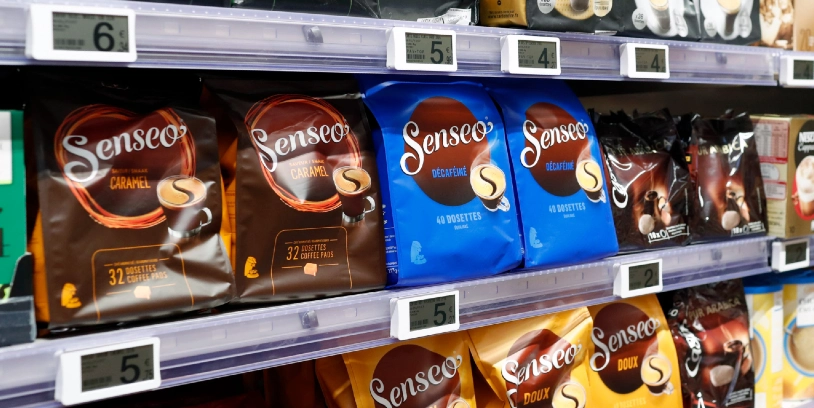
The legislation goes a step further than a simple ban. It also imposes a one-year moratorium on any new use of electronic shelf labels, the digital price tags some stores use to update prices in real time. During that pause, the New Jersey Innovation Authority must study how the labels affect shoppers and report its findings to the governor and Legislature before the moratorium lifts.
Violations carry real teeth. The attorney general could pursue civil penalties up to $10,000 for a first offense and $20,000 for repeat violations, plus treble damages for injured consumers, per the bill’s text.
Independent Grocers Sound the Alarm
That’s where the National Grocers Association draws the line. In its letter, the group asked Sherrill for three specific fixes: clearer language around discounts and promotions, better transparency rules for delivery fees, and removal of the electronic shelf label moratorium entirely.
“NGA supports policies that promote transparency and fairness in grocery pricing,” the group wrote, warning that A4085 “would create significant unintended consequences for independent grocery retailers” and make it harder to keep food affordable, according to the letter cited in the association’s press release.
Macy Lemon, NGA’s vice president of state government affairs, put it more bluntly. Independent grocers don’t run algorithmic or surge pricing schemes, she said; they lean on cost-based pricing, markdowns, and loyalty programs instead. Electronic shelf labels, in her telling, exist to cut labor costs and food waste, not to squeeze shoppers.
Without the requested revisions, the association says it opposes the bill outright.
Related Article: Walmart Electronic Shelf Labels Face Growing Political Pressure
Labor Groups See It Differently
Grocery workers tell a different story. The United Food and Commercial Workers International Union and New Jersey locals of the Retail, Wholesale and Department Store Union celebrated the bill’s passage, calling it a historic win for consumers battling rising food costs.
Union leaders representing UFCW Locals 152, 312, 360, 464A, and 1262, along with RWDSU and RWDSU Local 108, credited Senate President Nicholas Scutari, Assembly Speaker Craig Coughlin, Sen. Joseph Cryan, and Assemblyman Chigozie Onyema for championing the measure.
UFCW International Vice President Ademola Oyefeso went further, framing electronic shelf labels as a corporate tool for hiking prices and cutting jobs, not efficiency.
New Jersey now joins 11 other states in the UFCW’s “Affordable Groceries and Good Jobs Campaign,” but it would become the first to actually enact a surveillance pricing ban, cementing its role as a test case other states will watch closely.
What Happens Next
The bill’s fate now rests with Sherrill. She can sign A4085 as written, push for the amendments the National Grocers Association is requesting, or let negotiations play out before the legislative session ends.
Either way, New Jersey’s grocery aisles are about to become the next battleground in a national fight over how much your shopping data should shape what you pay at checkout.