
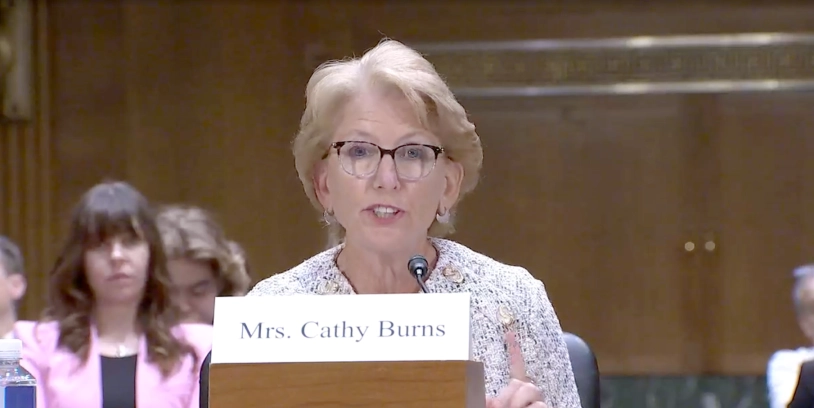
Increasing fruit and vegetable consumption across the United States could transform public health while strengthening American agriculture, according to testimony delivered before the Senate Agriculture Committee.
Cathy Burns, CEO of the International Fresh Produce Association, urged lawmakers to take decisive steps to help Americans eat more produce during a hearing of the U.S. Senate Committee on Agriculture, Nutrition, and Forestry.
Burns told senators that expanding access to fresh produce would address rising rates of chronic disease while creating economic opportunities for American farmers.
“The science is clear: eating more fruits and vegetables is one of the most effective ways to improve health,” Burns said.
However, she warned that nearly 90% of Americans still fail to consume the recommended daily servings.
As a result, preventable health conditions continue to rise, driving higher medical costs across the country.
Therefore, Burns said Congress must act quickly to close the nation’s produce consumption gap.
Nutrition Programs Key to Boosting Fruit and Vegetable Consumption
Burns emphasized that federal nutrition programs provide powerful tools to increase fruit and vegetable consumption among American families.
Consequently, she called on lawmakers to strengthen and expand programs that already support healthy eating.
For example, Burns urged Congress to maintain full funding for fruit and vegetable benefits under the Special Supplemental Nutrition Program for Women, Infants, and Children.
She also recommended expanding the program’s online redemption capabilities, which could make it easier for millions of families to purchase fresh produce.
According to IFPA, stronger incentives could encourage more SNAP participants to choose fresh fruits and vegetables.
Burns also highlighted the role of schools in shaping lifelong eating habits. Therefore, she urged policymakers to ensure school meals include a wide variety of fresh produce.
She also called for expanding the Fresh Fruit and Vegetable Program so more elementary schools can offer healthy snack options.
Meanwhile, Burns recommended modernizing procurement policies within the U.S. Department of Agriculture. She said current purchasing rules often prioritize the lowest price rather than nutritional value.
Updating those rules, she argued, could increase demand for U.S.-grown produce.
Related Article: IFPA Develops Global Sustainability Framework for Fresh Produce and Floral
Health Policy Innovation Ideas
Beyond nutrition programs, Burns outlined additional policy ideas designed to increase fruit and vegetable consumption nationwide.
One promising solution involves “produce prescriptions,” which allow healthcare providers to prescribe fruits and vegetables as part of disease prevention strategies.
Burns suggested incorporating those programs into federal health initiatives. She also recommended allowing consumers to purchase fruits and vegetables with funds from Health Savings Accounts and Flexible Spending Accounts.
Supporters argue that such policies could reduce long-term health costs while encouraging healthier diets.
“These are common-sense solutions that help families eat healthier while reducing health care costs,” Burns said.
Supporting Growers Remains Essential to Meet Future Demand
While expanding demand remains critical, Burns stressed that lawmakers must also ensure domestic produce production remains strong.
She noted that U.S. farmers face increasing challenges, including labor shortages, rising input costs, and regulatory pressures.
Natural disasters also continue to disrupt agricultural production. As a result, the country has lost more than 230,000 farms over the past two decades.
Burns said strategic investments could help protect the nation’s produce supply. Specifically, she urged lawmakers to support specialty crop research, risk management tools, and conservation programs.
She also encouraged policymakers to invest in technical assistance programs that help farmers adapt to changing conditions.
In addition, Burns highlighted the importance of packaging innovation. She said a coordinated national approach could balance sustainability goals with food safety, shelf life, and affordability.
Strong Food Safety System Remains Critical
Finally, Burns emphasized the need for continued investment in food safety. She urged Congress to maintain funding for the U.S. Food and Drug Administration’s Human Foods Program.
Consistent implementation of food traceability rules also remains essential. Moreover, Burns called for reliable funding for state food safety programs, which help protect consumers and maintain confidence in the food supply.
Ultimately, Burns said stronger policies could deliver benefits far beyond the produce aisle.
“Congress has a vital role to play in ensuring every American has access to fresh, nutritious fruits and vegetables,” she said.
With the right policies, she added, lawmakers could improve national health while strengthening rural economies.
IFPA leaders say they stand ready to work with Congress to advance those priorities.