
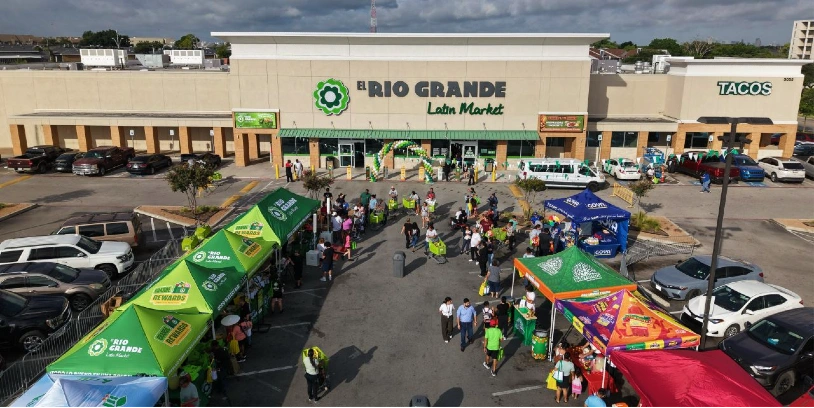
El Rio Grande Latin Market is not waiting for September 15th to make its move. With a newly hired marketing director, a freshly renovated anchor store in Dallas, and 15 influencers already activated, the DFW area’s largest locally owned Hispanic grocer is treating Hispanic Heritage Month (HHM) as a strategic inflection point, not a calendar obligation.
That shift starts at the top.
Abasto Media spoke with Marketing Director Lizette Gómez to learn more about how Hispanic culture continually influences American culinary trends and, in light of the upcoming Hispanic Heritage Month, how the Hispanic supermarket chain plans to celebrate it.
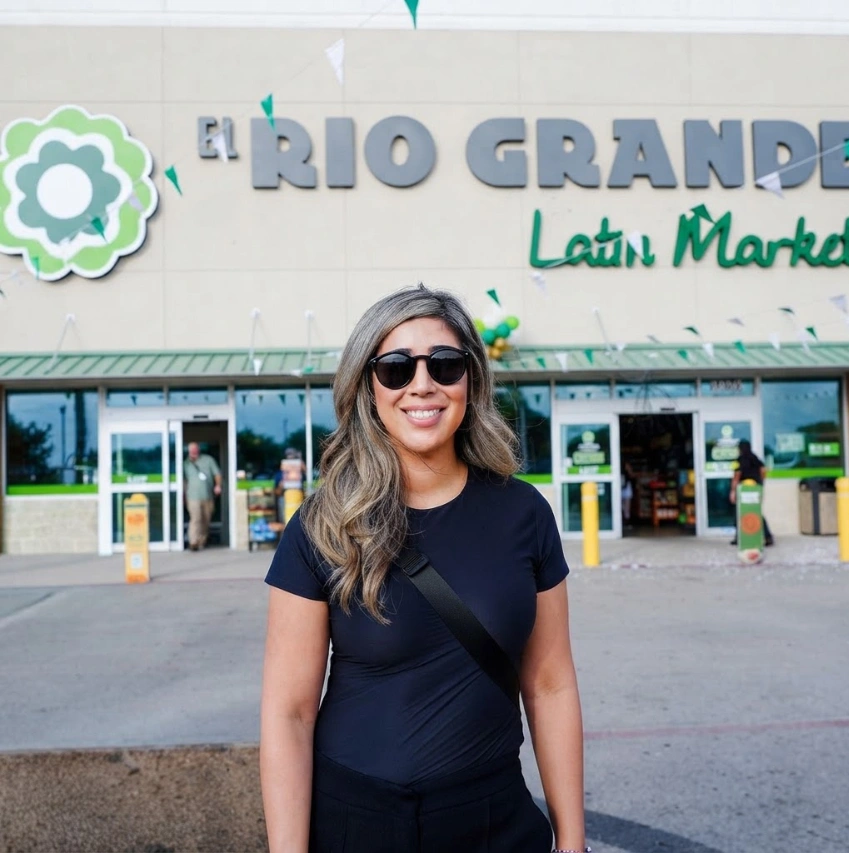
Lizette Gómez joined El Rio Grande just months ago, relocating from California to lead marketing for the nine-store chain. She oversees a workforce of approximately 1,000 employees across Dallas, Fort Worth, Grand Prairie, Garland, and Mesquite. She arrived with a mandate, and she hit the ground running immediately.
A Campaign Built on Identity, Not Just Product
Gómez centers the chain’s HHM campaign, running Sept. 15 through Oct. 15, on a question most grocery circulars never bother to ask: what does being Hispanic actually mean to you?
“Hispanic can be broad, right?” Gómez said. “You’re from anywhere. It’s not just Mexican, it’s everything.”
To reflect that breadth, she challenged her team to recruit influencers from across the Latin American diaspora. Rather than pushing product placements, each creator will share personal food memories tied to cultural identity, the tamales made with an abuela, the ceviche served during coastal holidays, the pozole that defined winter Sundays. Gómez, who describes her own roots as “coastal and tropical,” draws directly from lived experience to shape that brief.
The in-store component mirrors that ambition.
Signage, floor decals, and special product callouts will highlight Hispanic items throughout the month. Online deals are in development. A charitable community partnership, not yet publicly named, will also anchor the campaign, reflecting giving activity that the company currently keeps quiet.
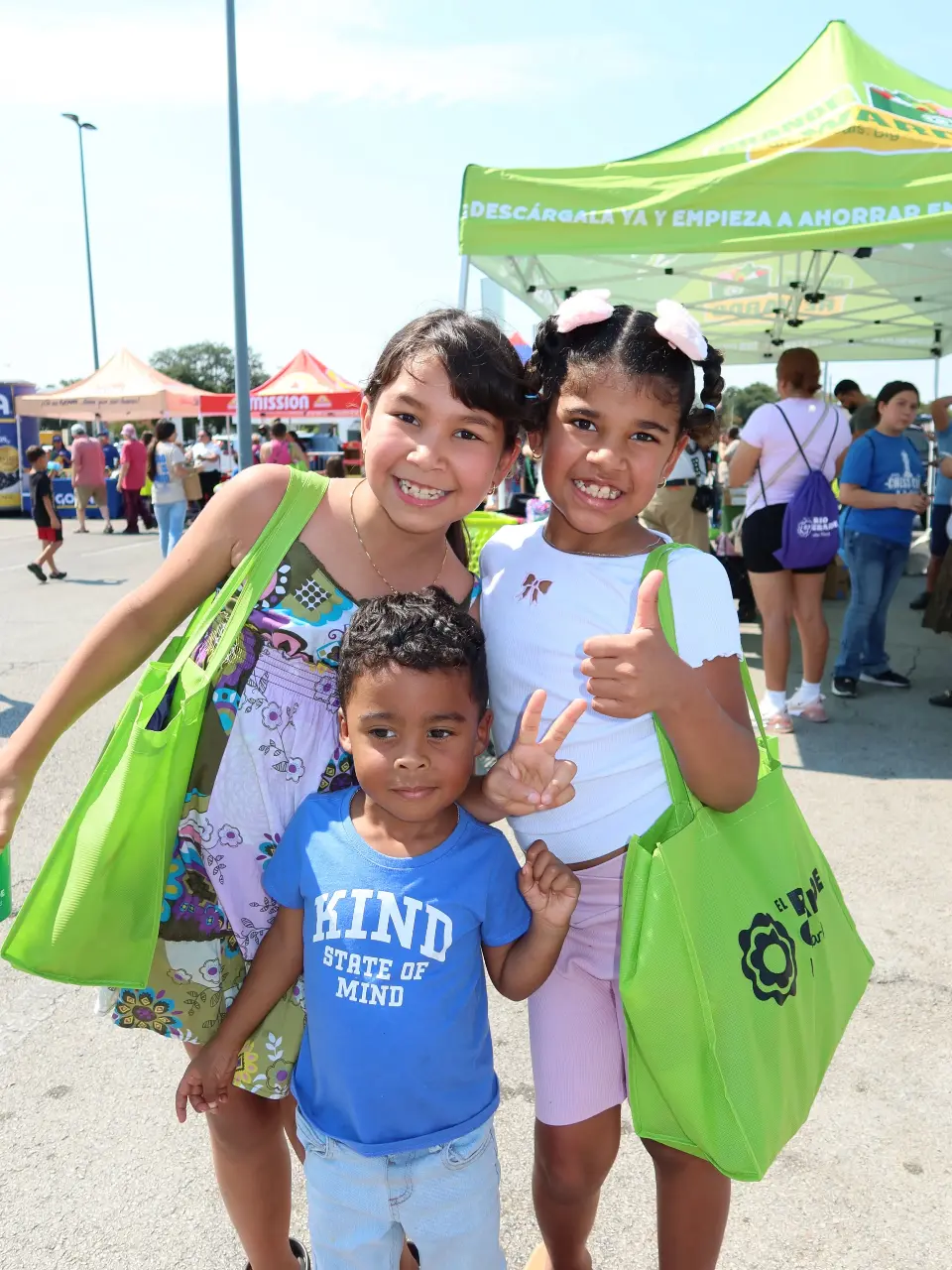
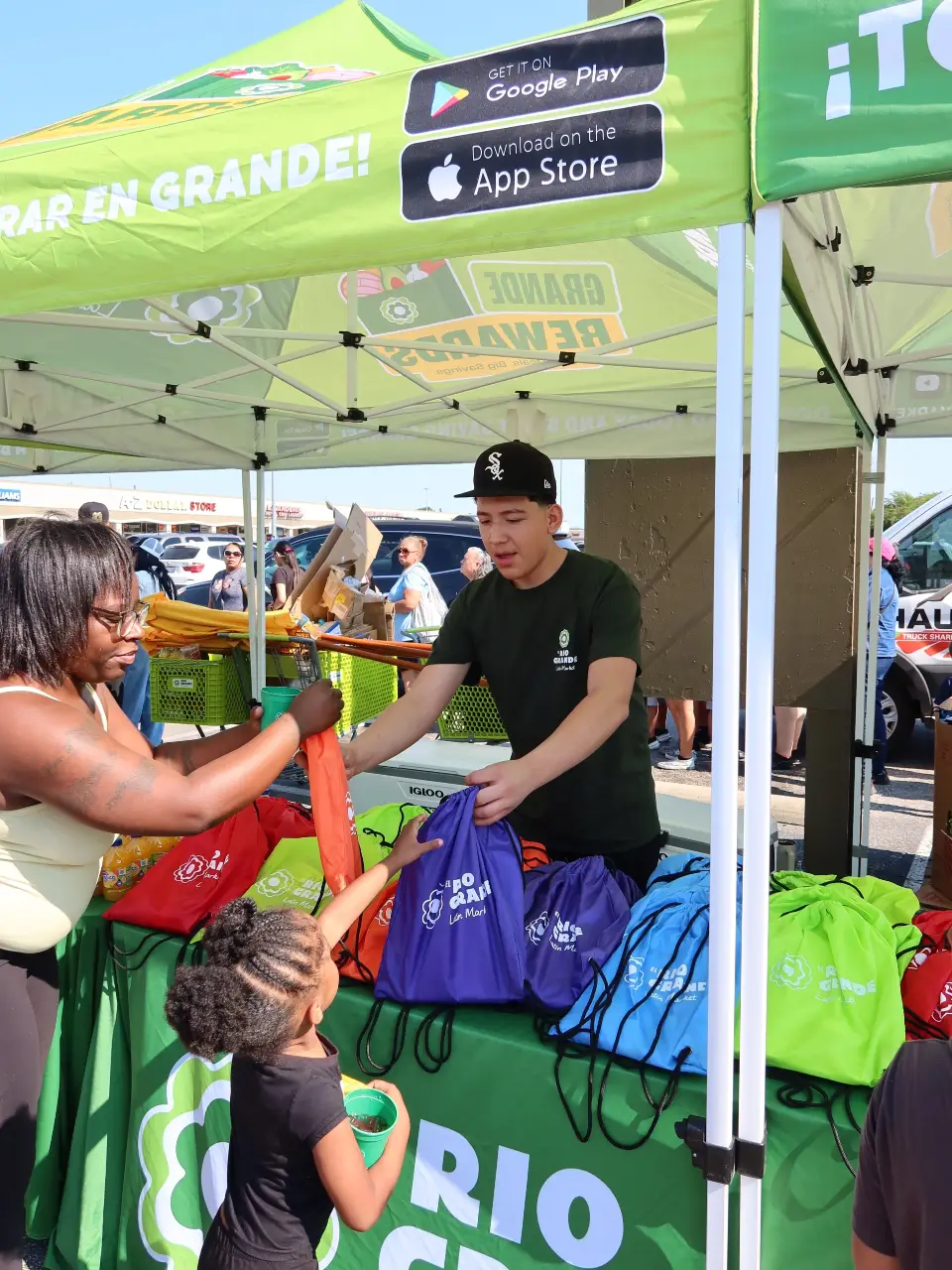
Then there is the event. Gómez plans a cultural gathering at one of the chain’s locations, complete with food sampling, music, and a photo booth. She is also bringing hand-painted ceramic dishware, the kind her grandmother kept in the kitchen, into stores for retail sale. That detail is small, but it signals something larger: El Rio Grande wants to sell an experience, not just groceries.
Related Article: El Rio Grande Latin Market Taps AI to Sharpen Pricing
Store Innovation Anchors the Brand’s Next Chapter
The timing of Gómez’s arrival aligns with a significant physical reinvestment by the company. In July 2026, El Rio Grande debuted a major renovation at its anchor location on North Buckner Boulevard in Dallas. The revamp introduced modernized merchandising layouts, an expanded carnicería, and a more prominent La Palapa Juice Bar.
Gómez frames the juice bar expansion as a direct response to an evolving consumer profile among Hispanic shoppers, health-conscious, but unwilling to abandon tradition.
“As a Hispanic myself, when I don’t feel good, I’m going to have a nice little ginger shot,” she said. “Or if I feel swollen, I’m going to have a turmeric shot.”
The current menu includes pressed juices — carrot, celery, beets — alongside wellness shots. Additional items are in development, though Gómez declined to name them, citing a preference for surprise announcements. What she did confirm: the expansion tracks trending products rather than follows a fixed menu.
Meanwhile, the carnicería operates on a feedback loop. El Rio Grande’s butchers actively solicit input from customers on assortment, a low-tech but effective form of demand sensing that independent operators can execute far more nimbly than their national competitors.
Bilingual Marketing as Operational Principle
Gómez’s approach to reaching a bilingual customer base is straightforward: Spanish-speaking customers should never work harder than English-speaking ones.
“I don’t want to leave anybody out,” she said.
In practice, that means bilingual copy on weekly ads, pork labeled alongside puerco, bilingual in-store signage, and social media content that translates key messages rather than simply duplicates posts in two languages. Gómez grew up speaking Spanish at home and English in public, a pattern common among first- and second-generation Latinos in the United States. Her advertising reflects that duality rather than flattening it into one language.
That is also a competitive edge. As national chains expand multicultural marketing efforts with varying degrees of authenticity, a regional operator with genuine cultural fluency holds a credibility advantage no outside campaign budget can easily replicate.
Community First, and Now More Visible About It
El Rio Grande has quietly operated community services since its founding in Dallas in 2005, including money transfers, bill payment, food drives, and product donations to local hospitals. Gómez plans to change the “quietly” part.
“We do get requests that come in and we do give back,” she said. “We don’t really advertise it just yet.”
Beyond HHM, Gómez confirmed plans for a Día de los Muertos event in partnership with the local community. She also described a pattern of ongoing micro-donations, conchas to a hospital event, water to outdoor gatherings during Texas’s brutal summers, that she intends to amplify publicly going forward. For a regional grocer competing against national formats, community credibility is a form of brand equity that no advertising budget can manufacture after the fact.
El Rio Grande already demonstrated that instinct in May 2024, when it earned a Guinness World Record for the world’s largest fruit display, an “avocado wonderland” built inside a Dallas store. The stunt generated national media coverage. Gómez’s events calendar suggests the same logic: create moments the community owns and talks about organically.
What Comes Next for El Rio Grande
Gómez confirmed that El Rio Grande carries active growth plans, though she declined to share store locations or opening timelines. She did confirm that a new department arrives “rather quickly” across the chain, and that store directors across all nine locations are actively involved in planning.
The opportunity in front of El Rio Grande is real. Several rival regional Hispanic grocery chains in DFW have fallen to acquisition by national conglomerates in recent years, leaving the locally owned format with a meaningful opening to deepen loyalty among shoppers who prefer an independent, culturally fluent operator.
Hispanic Heritage Month is the first major public test of Gómez’s tenure.