
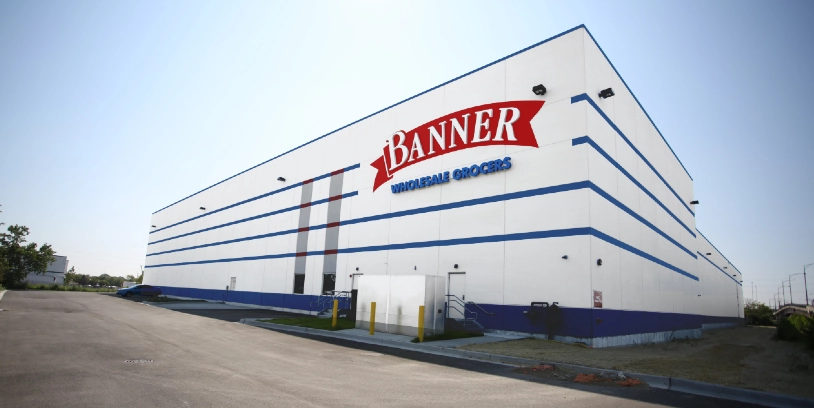
Banner Wholesale Grocers stands as a masterclass in longevity. As the company celebrates its 100th anniversary in 2026, it isn’t just looking back at a century of history; it’s understanding how the business has become the backbone of Chicago’s independent retail scene.
From sourcing corn on farms in 1926 to tracking viral Japanese ice cream on TikTok today, the story of Banner is one of constant evolution.
Four Generations of “Changing with the Times”
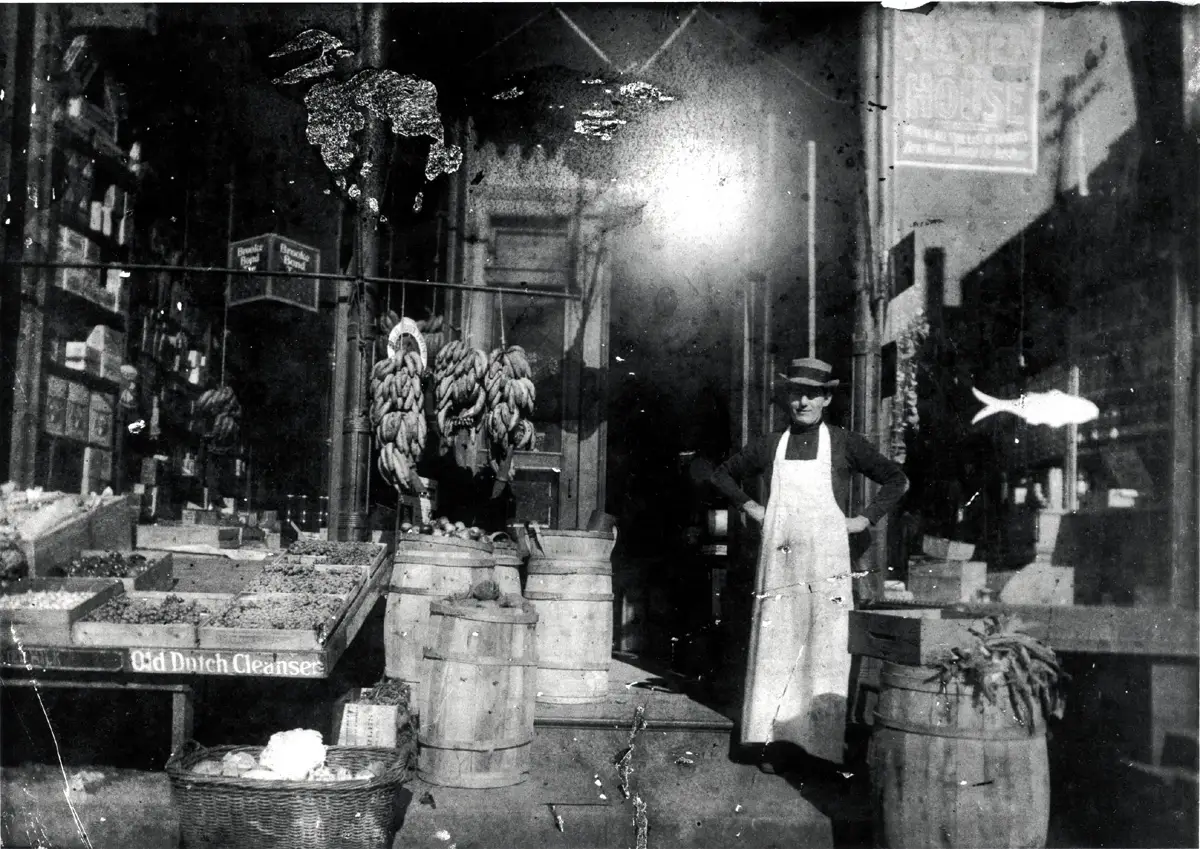
The Banner story began in 1926 with a simple vision of retail and distribution. President Richard Saltzman, in an exclusive interview with Abasto Media, recalls how his grandfather and great-grandfather started by buying entire corn harvests from local farms and leveraging bank notes to manage inventory.
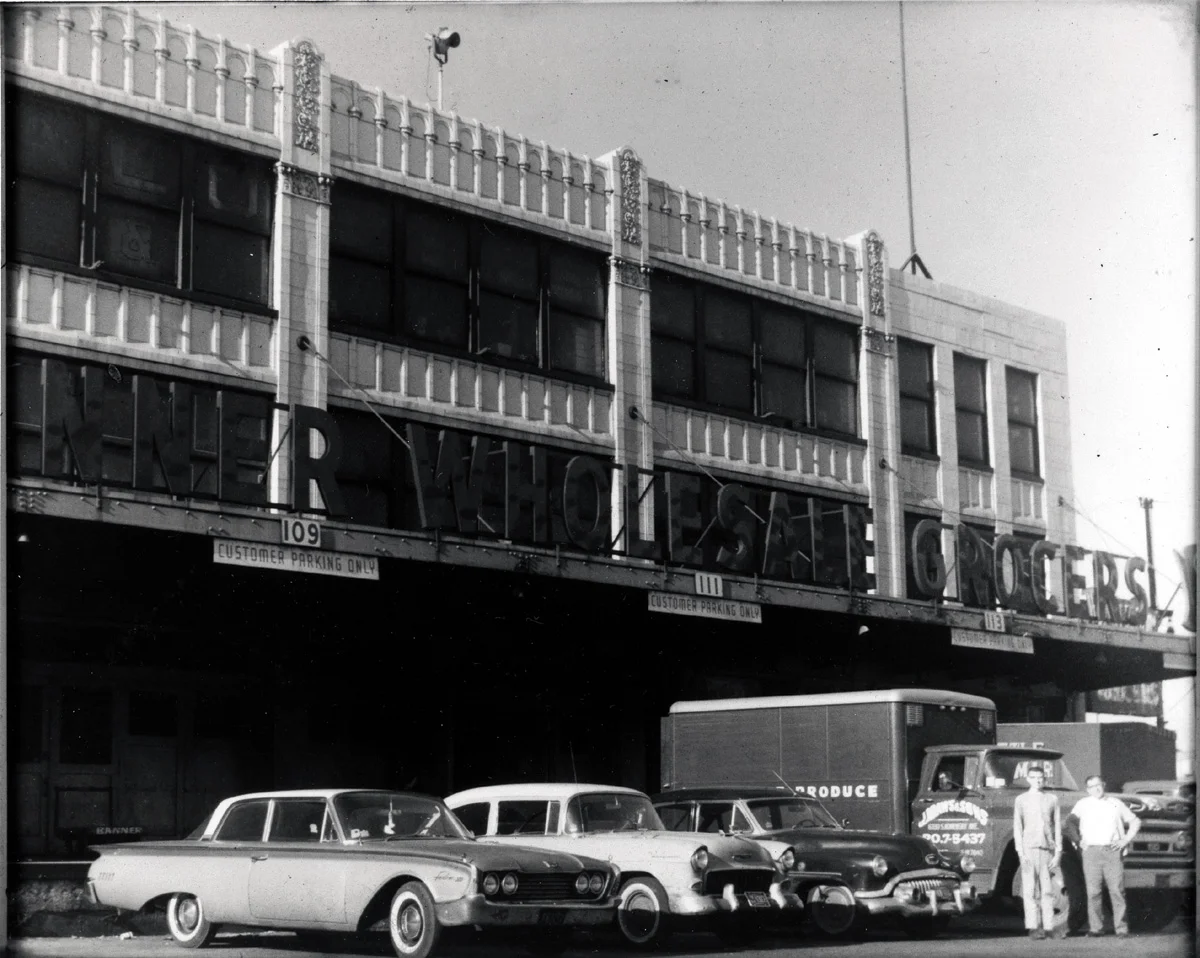
By 1948, Richard’s father took the helm, navigating an era where logistics were primitive and roads were just beginning to connect the Midwest. It wasn’t until the 1990s that the company made the pivot that would define its modern era: leaning heavily into the burgeoning Hispanic market.
“You have to survive, you have to change, and you have to find a different product line that you can sell,” says Richard. “It’s a constant thing. Everybody’s got to change with the times.”
Today, the fourth generation is represented by Vice President Ryan Saltzman, who has spent 15 years modernizing the family business. While Richard built the foundation, Ryan has brought the company into the digital age, using social media to spot trends before they hit the mainstream.
More Than a Wholesaler: “Let Us Be Your Back Room”
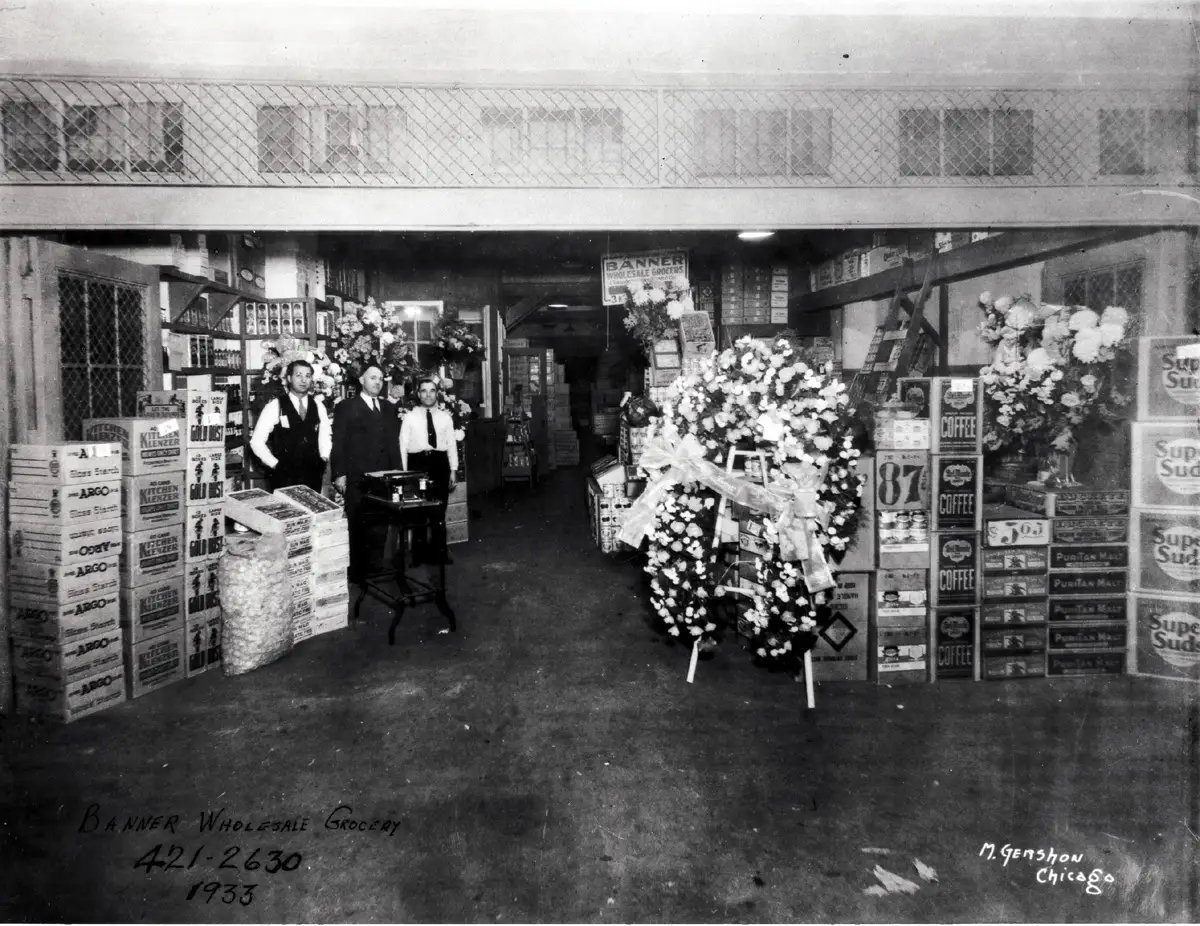
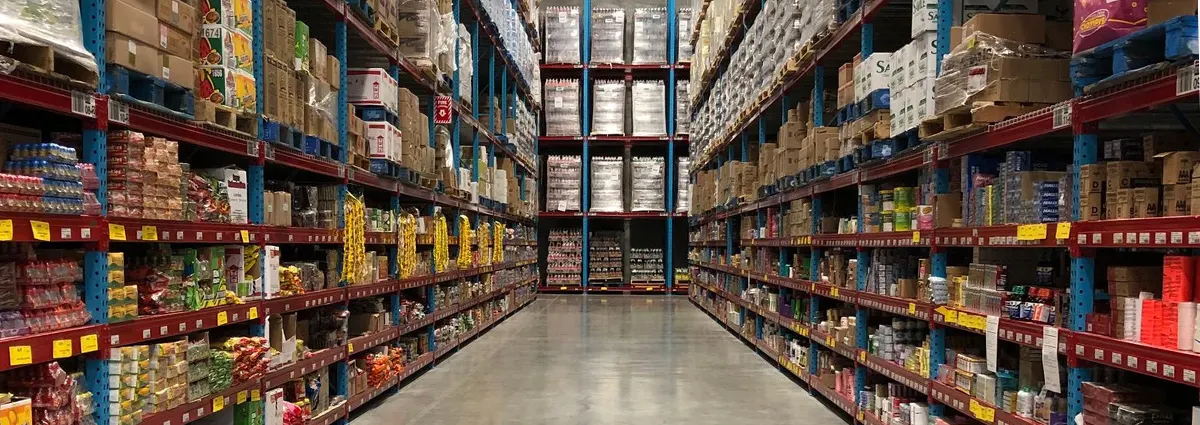
For the 2,000 active customers Banner serves, the warehouse is more than a supply point—it’s an extension of their own stores. This is especially true for the “mom and pop” shops, taquerias, and bodegas that lack the square footage for massive inventories.
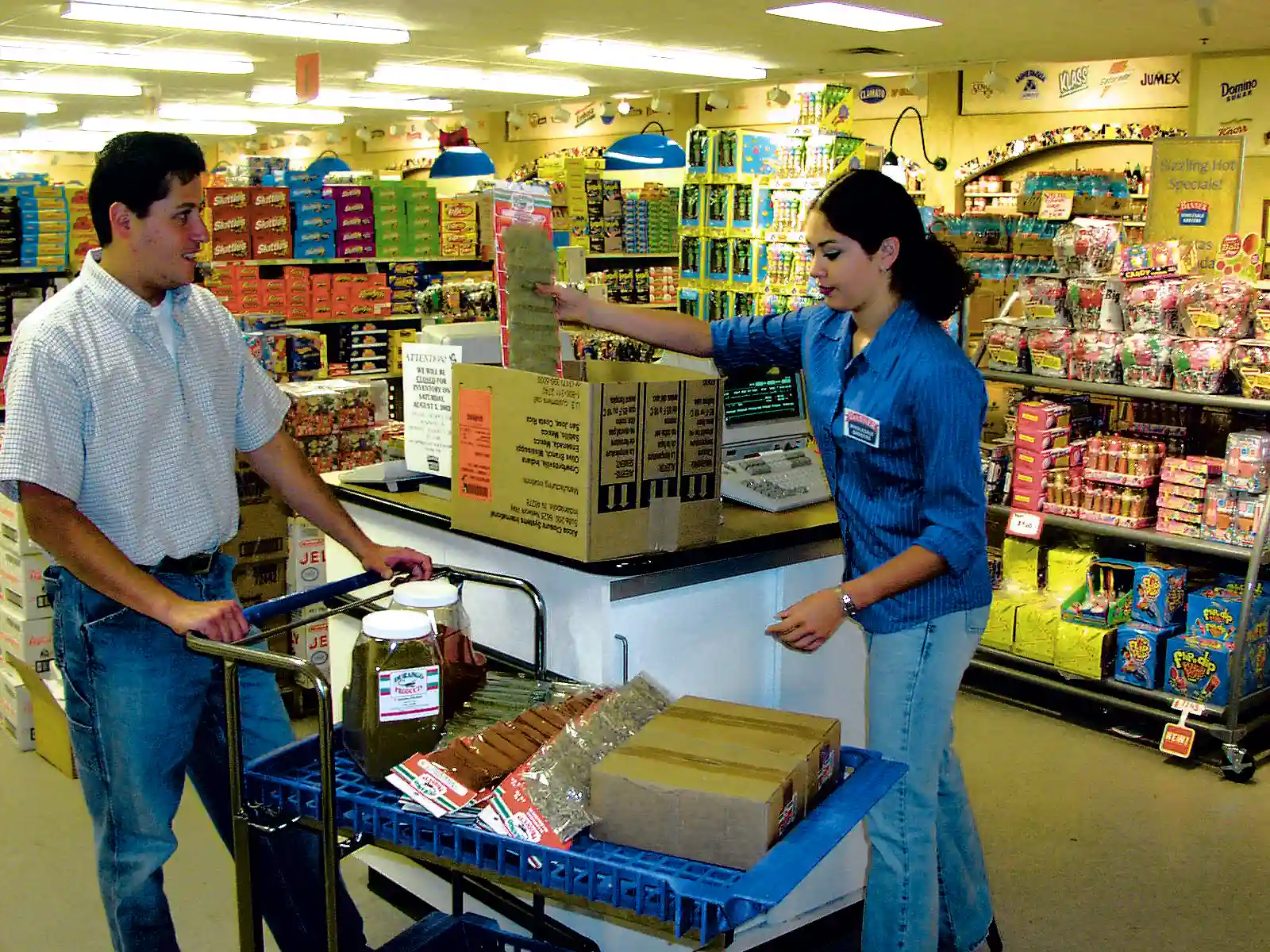
“Our motto is ‘Let us be your back room,’” explains Richard. These small business owners often visit the facility multiple times a week, buying $300 to $400 worth of stock at a time to restack their shelves immediately. This frequency has fostered a level of trust that corporate competitors struggle to replicate.
Related Article: Inside Cermak Fresh Market’s Hispanic Focus: A Conversation with John Tsiones
Banner by the Numbers:
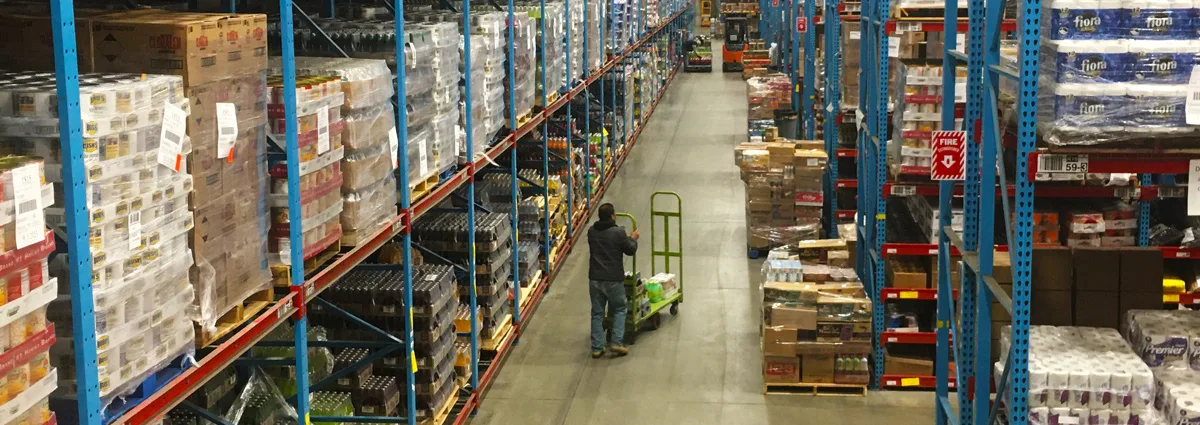
- Inventory | 6,000+ Unique Items
- Workforce | 105+ Employees
- Logistics | 9 Trucks; 16 Incoming Shipments Daily
- Community Impact | $75,000+ Annual Food Bank Donations
Beyond the “Hispanic Aisle”: Integrating Culture
One of the most significant shifts Banner has spearheaded is the move away from the isolated “ethnic aisle.” According to Scott Hilligoss, who leads procurement and marketing, the independent grocers in Chicago have led the way in integrating international products throughout the entire store.
“It’s not just Hispanic stores anymore; they’re international stores,” says Hilligoss. While the first generation of immigrants remained fiercely loyal to traditional staples like Maseca and nopales (cactus), the second and third generations are more adventurous.
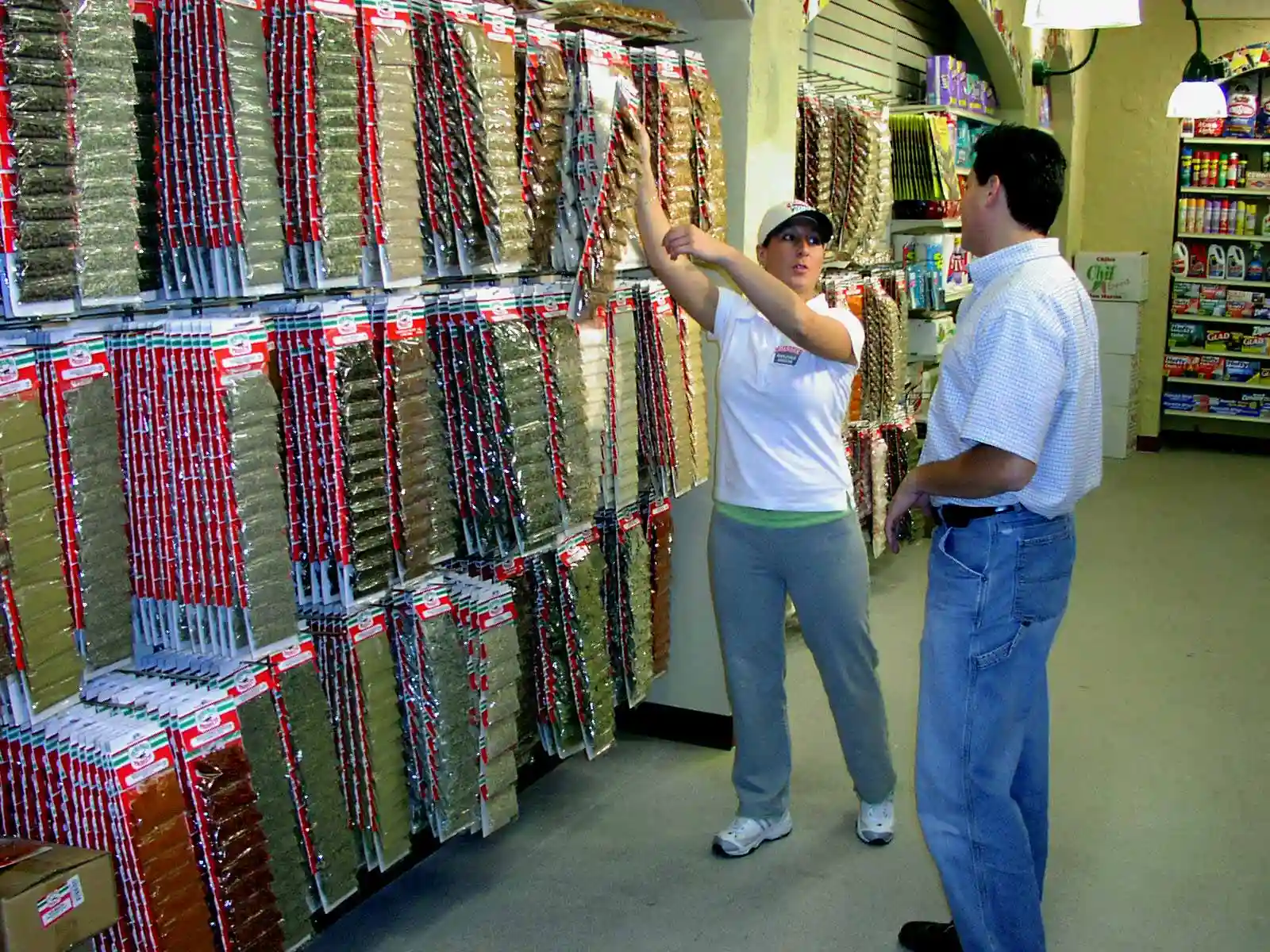
Banner has adapted by sourcing diverse regional products, such as Salvadoran and Honduran creams and cheeses, alongside global viral hits. When a Japanese ice cream became the talk of the Lollapalooza music festival, the Banner team sourced it immediately. “It’s out of our realm, but we give our stores new items they can make money on,” Richard noted.
The “Anti-Corporate” Advantage
The secret to Banner’s 100-year run might be its culture. Scott Hilligoss, who spent years in corporate America before joining Banner 22 years ago, insists he would never go back. “I like having the relationship with ownership,” he says.
That relationship extends to the customers. In an era of automated help desks, the Saltzman’s are on the floor six days a week. “When I see these guys, it’s ‘How’s your family? How’s everyone doing? What do you need?’” says Ryan. “We don’t want it to be just like a normal shopping experience.”
This trust is critical when market disruptions occur. When the popular Topo Chico was recently discontinued in the US, Banner didn’t leave customers hanging. They immediately sourced and suggested alternatives like Peñafiel and Mineragua, ensuring their clients’ shelves stayed full.
Looking Toward the Next Century
What’s next? For Ryan Saltzman, it’s about expansion and logistics, with customers already traveling from as far as Canada and Florida to access Banner’s unique variety and quality.
While the company will celebrate its milestone on June 13th with a massive warehouse party and fireworks, the work doesn’t stop. The facility continues to operate 24 hours a day across three shifts to ensure that Chicago’s neighborhood stores have exactly what they need, exactly when they need it.
“We continue to evolve,” says Hilligoss. “We don’t have a crystal ball, but if it’s something our customers need, we’re going to go get it.”