
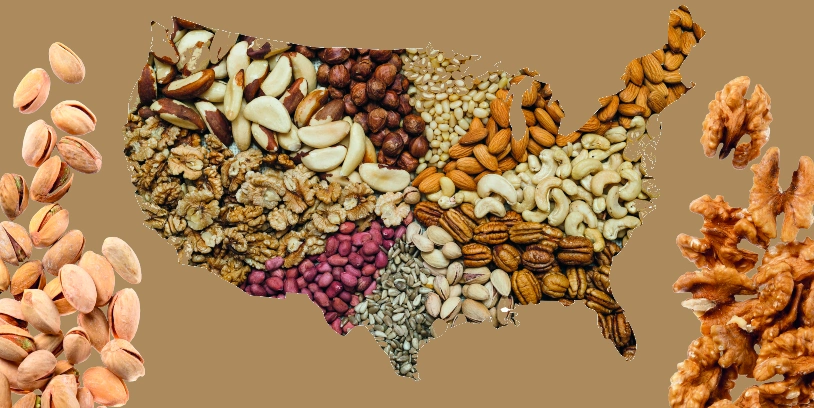
Imagine two shoppers in the snack aisle of the same grocery store. One of them, a baby boomer, unhesitatingly goes for pecans. A lifetime of pralines and pies drives his choice. The other, a Gen Z college student, skips the classics and looks for something swicy (sweet and spicy at the same time). They stand very close to each other, but their snack worlds have little in common. Nut consumption trends in the US confirm that nuts are a national favorite, yet reveal that the rest of the map remains a battleground.
For food retailers stocking shelves in 2026, that scene plays out millions of times a day. And Nuts.com released data explaining why.
What the Research Reveals
Talker Research surveyed 1,000 Americans between February 13 and 19, 2026. The firm conducted the survey on behalf of Nuts.com, a family-owned specialty food company founded in 1929. The results paint a detailed picture of nut consumption trends in the US — one that every category buyer should take into account.
“For nearly a century, Nuts.com has known that snacking is personal,” said CEO PJ Oleksak. “Today we serve nearly a million customers with tastes ranging from lifelong favorites to bold, globally inspired flavors.”
Cashews Dominate Nut Consumption Trends in the U.S.
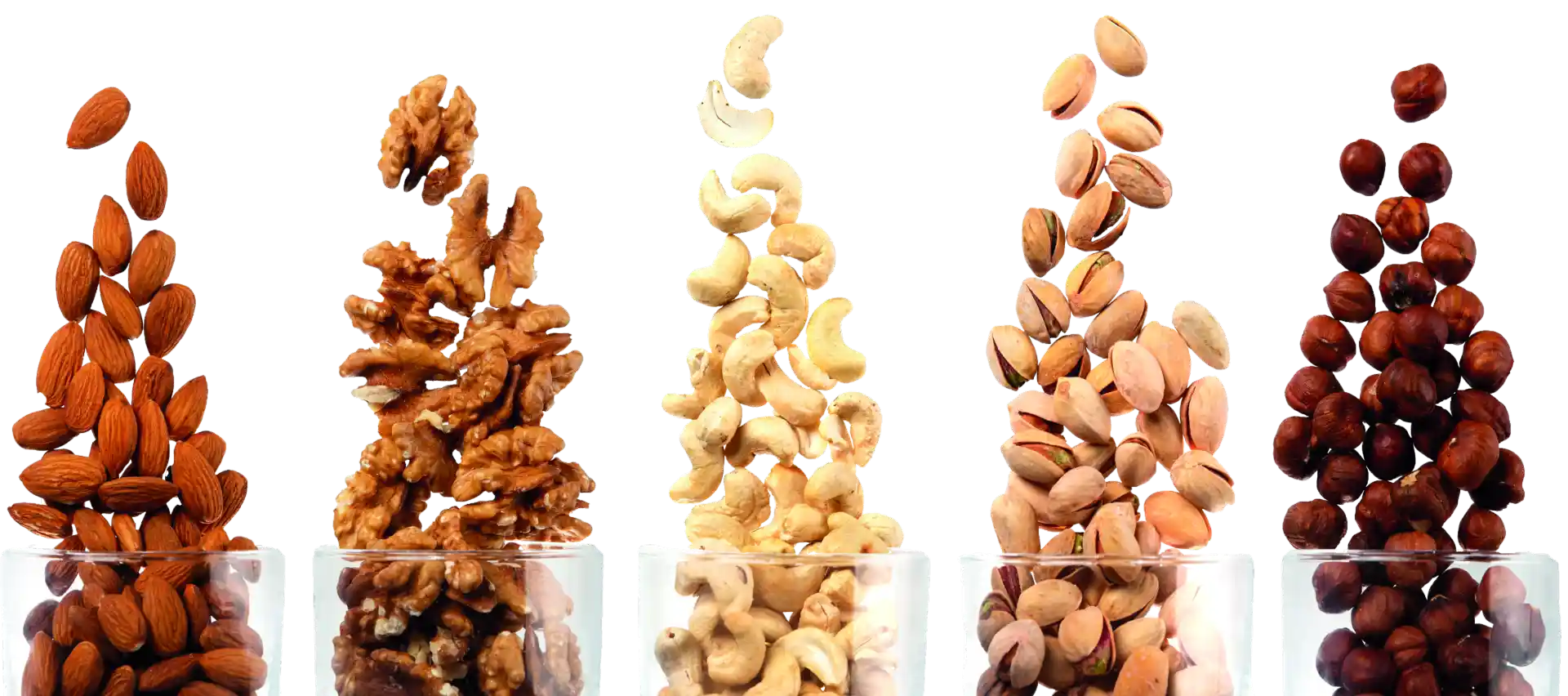
Cashews, also known as the Indian nut or marigold nut, are the clear winner: 43% of Americans name them as their favorite nut for snacks and mixes. Every generation ranks them among their top two choices, making cashews the only common ground in a deeply fragmented landscape of tastes.
However, generational differences are notable. Baby Boomers lead with a 51% preference for cashews and nearly 40% more love for pecans compared to Millennials.
In contrast, Gen Z is 25% more likely to choose pistachios or almonds, and seven times more inclined toward tangy snacks than their elders. Young people seek variety and intense sensations, while older adults lean toward comfort.
Each Region Has Its Own Snacking Identity
Zooming out to the national level reveals even more pronounced geographic differences.
The Northeast splits its preference evenly between cashews and peanuts. It also leads in hazelnuts and Brazil nuts, and balances creamy (52%) and crunchy (51%) textures equally.
The Southeast proudly champions pecans: Southerners show 75% more loyalty to this nut than Northerners, and they also have a marked preference for sweet, creamy flavors.
The Southwest is peanut territory (46%) and also the most adventurous. Its consumers prefer spicy flavors by more than 20 percentage points over the rest of the country.
The Midwest is the only region where pistachios top the list (37%), paired with popcorn and nostalgic flavors.
The West, for its part, is almond country (40%), with a snack identity that blends chocolate (46%) and butter (33%) into flaky, crumbly textures worthy of a pastry shop.
Related Article: Why Confectionery Retail Strategy Is Your Best Path to Boosting Margins
A Sensory Revolution Led by Young People
Gen Z and Millennials are driving what the data call a “sensory snacking revolution.” They prefer chewy (47%), crunchy (40%), light (34%), and even frozen (32%) textures. They are also three times more likely than Boomers to choose hazelnuts or gummy candies, and twice as likely to prefer spicy or bittersweet flavors.
Boomers and Generation X, on the other hand, stick to the classics. They prefer crunchy (56%), creamy (55%), and fluffy (36%) textures, with chocolate (46%), salt (44%), and sweet (42%) as the dominant flavors. They also lead in dried-fruit consumption, the clearest sign of health consciousness among older consumers.
Despite all these divisions, one fact unites everyone: 54% of Americans demand a crunchy texture in their snacks. It remains the only national consensus in a market that, otherwise, refuses to agree.
The Message for Retailers
Data from Nuts.com sends a clear message to buyers and category managers: a one-size-fits-all strategy no longer works.
Nut consumption trends in the US are diversifying at breakneck speed. Retailers who read the data correctly and stock accordingly will see higher profits. Those who don’t will watch customers leave empty-handed, searching for stores that meet their needs.