
Behind every smooth election day in America is an extensive, multi-month logistical operation—one that relies heavily on dedicated public servants, rigorous planning, and millions of local poll workers. Yet, in recent years, election workers nationwide have faced unprecedented logistical pressures, severe staffing shortages, and heightened threats of intimidation.
To understand how the business community, local enterprise owners, and civic organizations can collaborate to safeguard election administration, Abasto Media spoke with Celina Stewart, CEO of the League of Women Voters, a nonpartisan, grassroots organization working to protect and expand voting rights.
Here, Stewart shares key insights on the role of local business leadership, the realities of election administration, and how companies can empower their employees to step up as local Election Heroes.
An interesting fact: imagine we’re 27 million voters and people; an incredible part of this is that the elections are won by 2 million. So Latinos are the swing vote, shared in another recent interview with Ana Valdez, CEO at Latino Donor Collaborative, a non-profit organization dedicated to reshaping the perception of Latinos as part of the American social mainstream.
The next presidential election is on Tuesday, Nov. 7, 2028.
Recognizing Election Heroes & The Power of Business Support
Abasto Media: Election Hero Day brings much-needed visibility to the individuals who make our democracy function. What inspired this initiative, and how has public perception of election workers evolved in recent years?
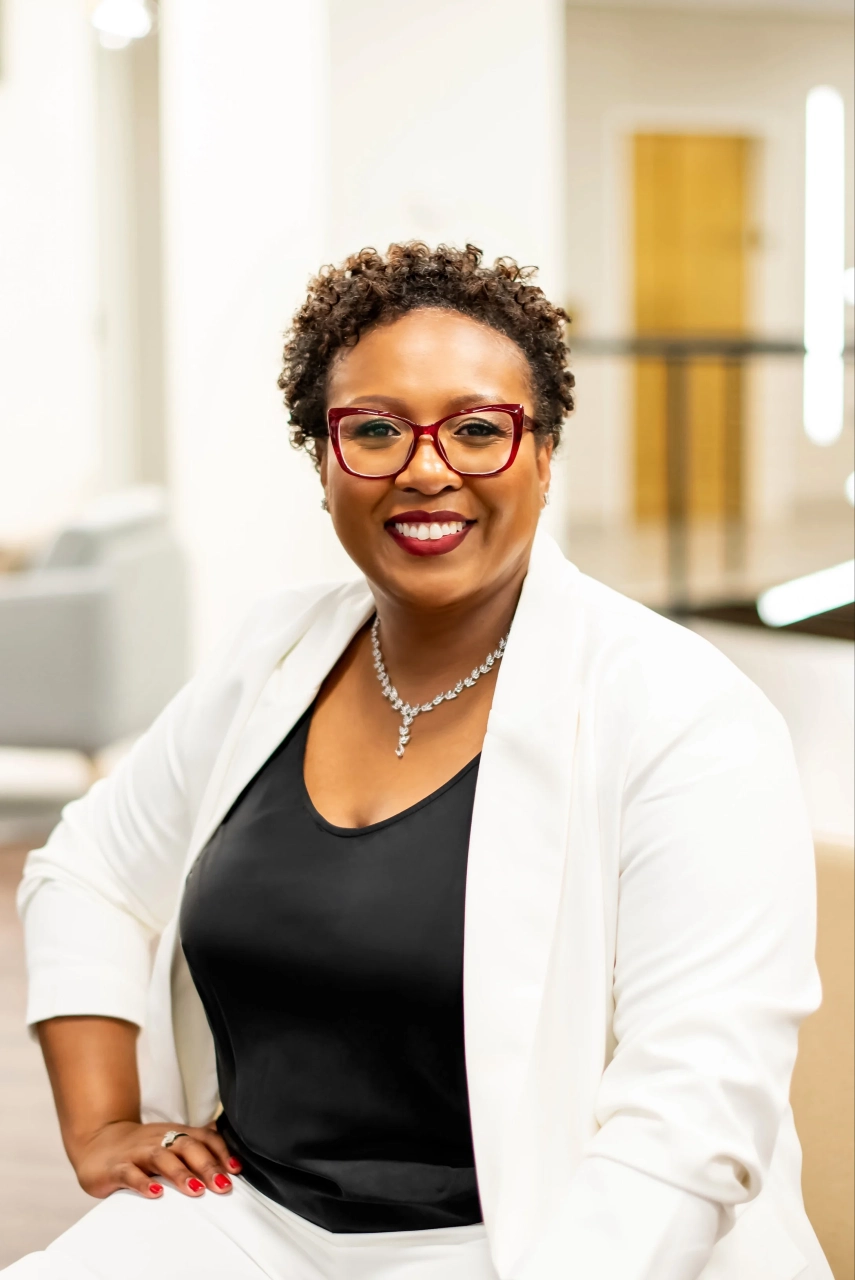
Celina Stewart: Election Hero Day recognizes the people who make our democracy work but often go unseen. Since 2020, election workers have received greater public attention, but that visibility has also brought increased threats of violence and intimidation. These public servants deserve our protection, gratitude, and respect. Protecting democracy means protecting the people who administer our elections so they are free to do their work.
Abasto Media: Beyond thanking election workers on a single day, what are the most impactful ways communities and local businesses can show ongoing support?
Celina Stewart: Election Hero Day is a moment to say thank you, but real appreciation has to extend beyond Election Day. Election workers are on the front lines of our democracy, often doing incredibly demanding work under intense scrutiny and, increasingly, threats and harassment.
Communities can support them by volunteering as poll workers, advocating for election offices to have adequate funding, and speaking out when election officials face threats. Businesses can offer paid time off for employees to serve. And all of us can help by sharing accurate election information and treating election workers with the respect they deserve. The best way to thank our election heroes is to make sure they are supported, protected, and valued all year long.
Related Article: Women in the Construction of Democracy
Protecting Democracy & Behind-the-Scenes Realities
Abasto Media: Many voters only think about elections on Election Day, but preparation takes months. What critical behind-the-scenes responsibilities does the public often overlook?
Celina Stewart: Elections require months of preparation—from maintaining voter registration systems and testing equipment to recruiting and training poll workers, preparing polling places, and securely handling ballots. Election officials also answer voters’ questions and ensure polling places are accessible. Election Day is the culmination of months of expertise and hard work.
Abasto Media: With election administrators facing growing scrutiny and logistical pressures nationwide, how is the League working to protect and support these frontline workers?
Celina Stewart: The League has long understood that strong elections depend on strong relationships at the community level, and election officials are critical partners in that work. We help connect voters to trusted, nonpartisan information through our online platform and digital tool, VOTE411.org, support poll worker recruitment, and advocate for the resources election offices need. We also stand against threats and intimidation. Election administration must be guided by the law, not political pressure, and workers deserve to do their jobs safely.
At the same time, we have an obligation to stand up for the people behind those elections. They should not face harassment, threats, or political pressure for simply carrying out their responsibilities. We want election workers to know that they are not alone, that the League and their communities value their service and will defend their ability to do their jobs safely, professionally, and according to the law.
Overcoming Recruitment Shortages & Mobilizing the Workforce
Abasto Media: Worker shortages have been a persistent challenge for local election boards. What message do you have for individuals who want to get involved but feel intimidated or unsure of the time commitment?
Celina Stewart: You don’t need to be an election expert to make a difference. Election offices provide training, and there are different ways to serve. Being a poll worker is one of the most direct ways to support your neighbors and strengthen democracy. You may walk away realizing that democracy feels different when you’ve had a hand in seeing how it works and making it function. Democracy is not something we simply participate in at the ballot box; it is something we can make possible for one another. I encourage anyone interested to contact their local election office.
Abasto Media: How can corporate partners, business owners, and community leaders better collaborate to encourage citizens—especially younger generations—to step up as poll workers?
Celina Stewart: Schools, colleges, employers, and community organizations can partner with election offices to recruit poll workers and share opportunities. Employers can offer paid time off, while schools can connect students with civic service opportunities. Young people aren’t just the future of democracy—they’re essential to protecting it today.
Strategy & Looking Ahead
Abasto Media: Looking ahead, what key policy priorities or strategies are needed to ensure elections remain secure and fully accessible?
Celina Stewart: We need secure, accessible elections backed by adequate funding and professional election administrators. That means protecting election workers, investing in election infrastructure, and preserving options like early voting, mail voting, accessible polling places, and language assistance. Security and accessibility are not competing priorities. Every eligible voter deserves a meaningful opportunity to participate.
Abasto Media: If you could leave business leaders and readers with one actionable takeaway on how to strengthen the democratic process in their own communities, what would it be?
Celina Stewart: Find one way to serve your community. Become a poll worker, help a neighbor find trusted voting information through the League’s VOTE411.org platform, or attend a local election board meeting. Democracy depends on all of us, and the best way to honor our Election Heroes is to join them in the work.
Key Takeaways for Business Leaders:
- Adopt Paid Time Off (PTO) Policies for Civic Service: Allow employees to serve as poll workers without losing income.
- Share Trusted Nonpartisan Information: Utilize platforms like VOTE411.org to keep team members and community members informed.
- Advocate for Local Infrastructure: Support municipal and county efforts to secure adequate funding for election logistics and staff safety.