
For many independent grocers, the traditional back-to-school playbook relies heavily on steep discounts. However, the most profitable operators are shifting their strategy from driving simple price cuts to building bigger baskets. Every seasonal shopper represents an opportunity to boost lifetime value—and success this season hinges not on selling a single discounted item, but on ensuring customers leave with a fuller basket.
Back-to-school shopping naturally opens up chances to buy products from different categories throughout the store. Parents are not just buying snacks. They are buying full-meal options that come from different aisles of the store. This gives independent grocery stores a big chance to make additional revenue and grow that shopper relationship.
Meal planning
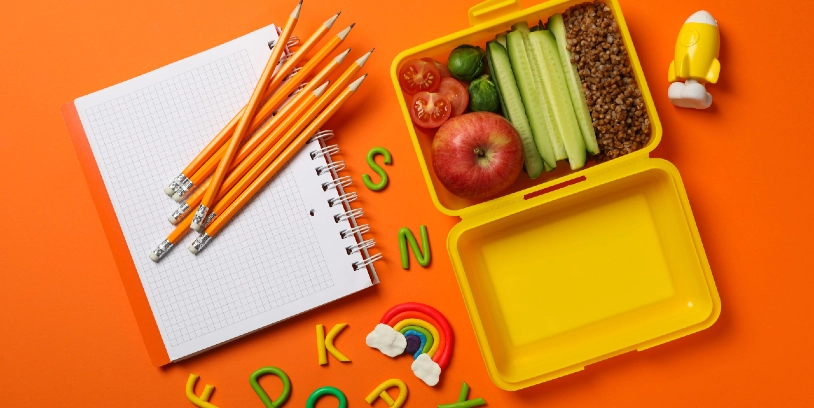
Grocers should pay attention to how shoppers plan meals and make lunches during this shopping spurge. A lunchbox program should combine the food and drink groups of bakery, deli, produce, grocery, dairy, and drinks. Cereal, milk, fruit, yogurt, and grab-and-go foods should all be part of breakfast meals. Meal planning is an easy way to grow a shopper’s basket and begin a pattern that can go throughout the school year.
The meal plan goals should be supported by merchandising execution. Cross-merchandising programs, endcaps, and secondary displays should make it easy for shoppers to find items that complement each other. If you’re running an ad, make it easy for shoppers to bundle and meal plan. Merchandise all the ad items together so the shopper doesn’t have to treasure hunt. The goal is to make things easier for the mom, which will encourage her to shop more and build the basket.
Most parents are busy enough not to dwell too long in any aisle during back-to-school. Most of the time, the store that makes shopping easier generates higher revenue than the store with the best price.
Related Article: Back-to-School Season: The Independent Grocer’s Advantage
Build bigger baskets
Strategies for growing baskets will always help the grocer generate more revenue and loyal customers. Strong deals may bring shoppers in, but bigger baskets with meal planning generate sales without costing more to get new shoppers.
Independent grocery stores should look at their transaction data to see what combinations of products are consistent year-round and then make displays that encourage customers to buy whole solutions instead of separate items. When stores focus on building baskets, they often find that small increases in the average deal size can lead to big increases in sales throughout the season.
Helping customers figure out how to plan their meals may be one of the best ways to grow your business as the economy continues to affect people’s shopping habits.
To be successful back-to-school, you need to do more than just sell more products. It is about making it easy for shoppers to finish their shopping on one trip. And then come back and do it again and again all year.