
Article courtesy of Christian Armstrong, VP of Product Management at Spectrio.
Grocery stores have weathered the broader retail shakeout partly because of the products they sell. Yet digital grocery shopping now reshapes how consumers interact with stores.
Buying produce still feels better when shoppers size it up themselves. An online order for apples cannot guarantee the ripeness, color, or size people want.
However, another reason the sector holds steady is how quickly grocers have modernized.
Shoppers still prefer choosing food in person. Nevertheless, they increasingly expect the same digital conveniences they rely on elsewhere.
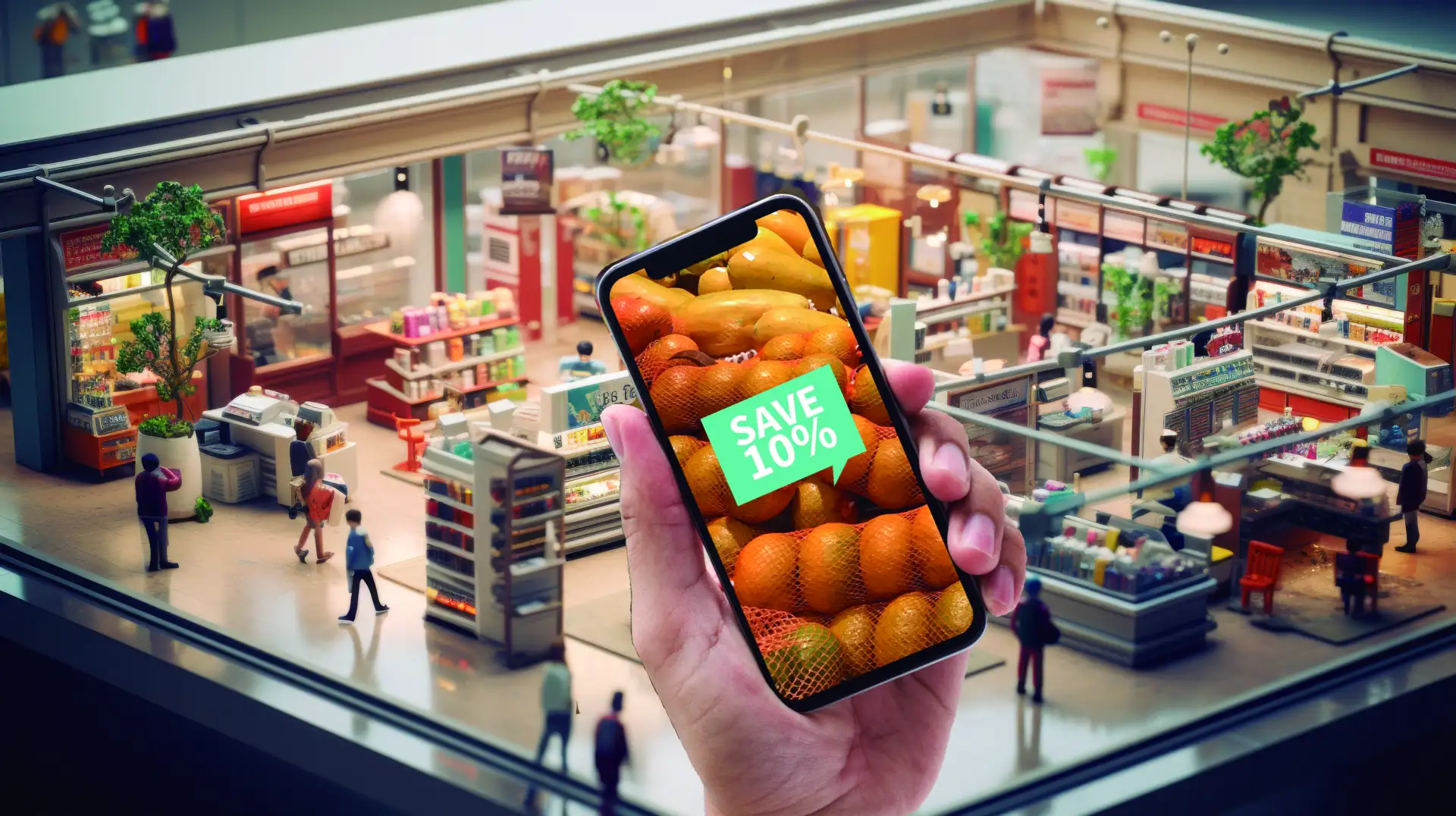
That expectation now shapes the average grocery trip. Most shoppers still visit stores, yet many keep their phones out while walking the aisles.
They check prices, search for deals, compare options, and track spending in real time. As a result, digital grocery shopping blends the physical store with mobile technology.
Apps connected to loyalty programs now surface tailored offers instead of generic weekly promotions. Consequently, shoppers feel the store understands what they buy.
The grocery run no longer feels strictly physical. Instead, screens, apps, and personalized suggestions guide decisions in real time.
A Hybrid Experience in Digital Grocery Shopping
In addition to checking prices and tracking spending, many shoppers rely on grocery apps as personalized deal hubs.
These apps highlight relevant offers rather than broad weekly ads. Therefore, retailers who understand this blended behavior can create smoother customer journeys.
Another key element of digital grocery shopping involves smart screens. These dynamic signs display real-time deals that can change at any time.
Related Article: Latino Consumers Are Leading the Way in Grocery Tech Adoption
Unlike traditional static signs, digital screens update within seconds. They can highlight flash sales, inventory changes, or timely meal-planning ideas.
Retailers can also connect smart signage with store mobile apps. As shoppers walk by with their phones, the screens may adjust the content.
For example, a digital sign might display a personalized offer such as two-for-one sodas based on loyalty and purchase history.
In addition, the screens broadcast real-time price updates and new promotions.
For grocers, dynamic signage bridges digital retail media and the physical store. It delivers targeted information without slowing the shopping trip.
What the Shift Means for Grocers
The outlook remains promising for grocers. Still, retailers must adapt continuously to stay competitive.
Mobile-savvy shoppers want more than lower prices. They expect the same personalization, speed, and convenience they experience online.
Digital signage can help meet those expectations. It surfaces timely deals, highlights complementary products, and adjusts messages based on inventory.
When used thoughtfully, these screens guide shoppers through stores more efficiently. They also reinforce the offers people already see in their apps.
Ultimately, grocers must strike the right balance. Technology should enhance the trip, not distract from it.
Retailers that integrate digital tools naturally into digital grocery shopping will likely shape the future of the in-store experience.

Christian Armstrong is VP of Product Management at Spectrio. With 16 years of experience in the digital signage industry, Armstrong has gained a wealth of knowledge and expertise. As one of the founding members of Industry Weapon, a CMS provider, Christian played a significant role in the company’s growth and success.