
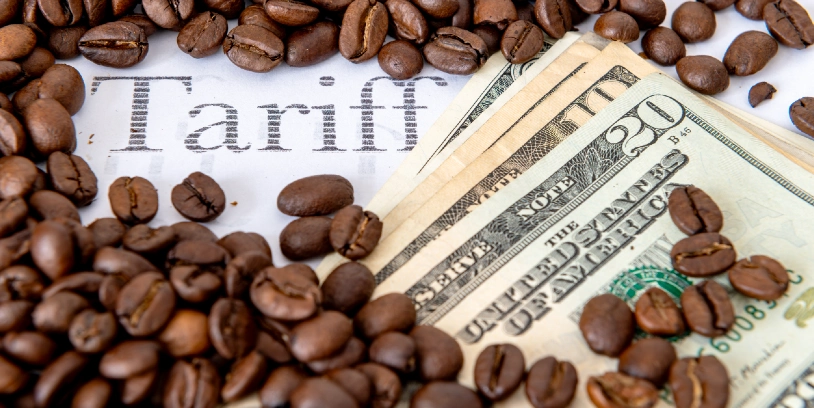
The White House moved to contain rising grocery prices on Friday by expanding tariff exemptions for key food imports, marking the latest shift in trade policy as Trump cuts tariffs on food imports that the U.S. cannot supply in sufficient volumes.
The revised order removes dozens of agricultural and beverage products from the tariff list first unveiled on April 2. Trump said the United States cannot produce items such as coffee, tea, cocoa, spices, tropical fruits, bananas, oranges, tomatoes, and certain fertilizers in quantities that meet consumer demand. Therefore, he expanded tariff relief to maintain supply and support manufacturers that rely on these goods.
Moreover, the White House shifted these products into Annex II of Executive Order 14257 and removed them from the “Potential Tariff Adjustments for Aligned Partners” annex. Officials said the update clarifies the rules for importers while reinforcing the administration’s argument that Trump’s cuts tariffs on food imports protect household budgets.
Rising Grocery Prices Fuel Political Pressure
The tariff shift followed a busy week of trade action. One day earlier, Trump reached new framework agreements with Argentina, Guatemala, and El Salvador that impose 10% tariffs on most goods, along with a 15% tariff on goods from Ecuador. Even so, rising grocery prices prompted the administration to carve out exemptions for goods with no viable domestic supply.
As grocery spending climbs nationwide, senior officials warned that tariffs can drive additional cost spikes when applied to products Americans consume daily. Consequently, Trump cuts tariffs on food imports to expand relief on essential products that support food manufacturers, restaurants, and retailers.
Related Article: U.S. Tariffs 2025 Reshape Global Trade and Drive Inflation
Food Industry Praise Cuts Tariffs on Food Imports
Major food groups reacted swiftly and applauded the decision. FMI – The Food Industry Association said the order will help consumers and manufacturers who depend on imported agricultural goods.
FMI President and CEO Leslie G. Sarasin said the tariff cuts should make coffee and other everyday staples more affordable. She argued that food prices reflect shifts in weather, crop yields, energy costs, labor, transportation, and packaging. She added that lowering tariffs removes a key cost pressure and improves supply stability across the grocery sector.
Restaurant Leaders Seek Additional Relief
The National Restaurant Association also welcomed the order. President and CEO Michelle Korsmo said restaurants continue to battle food costs that climbed nearly 40% over the past four years. She emphasized that Trump cuts tariffs on food imports at a critical moment for operators working to protect menu pricing and maintain customer traffic.
Korsmo urged the administration to review tariffs on alcohol, supplies, and equipment, noting their importance to restaurant operations and hospitality budgets.
Fresh Produce Groups Back the Policy
The International Fresh Produce Association echoed the praise. IFPA leaders said the tariff cuts help keep fruits and vegetables affordable for families and allow retailers to maintain a steady supply year-round. They stressed that imported items fill essential seasonal and geographic gaps in domestic production.
The organization said it will continue advocating for additional exemptions, especially for floral products tied to similar supply-chain dynamics. IFPA noted that cutting tariffs on food imports supports a healthier America and ensures families retain access to affordable, high-quality produce.