
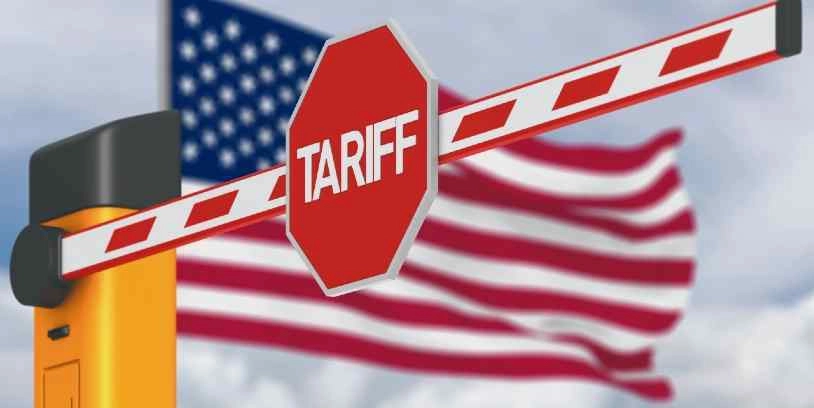
The U.S. tariffs 2025 imposed by President Donald Trump on April 2, known as “Liberation Day,” raised trade barriers and disrupted global markets. The sweeping policy triggered tariff retaliation, higher import costs, logistical breakdowns, and a sharp contraction in international trade.
“Liberation Day” marked Trump’s declaration of a national emergency, revoking a 30-year regulation under the World Trade Organization (WTO), the body overseeing global trade.
The new trade approach undermines the WTO’s goal of promoting global welfare through predictable, efficient trade.
The U.S. tariffs 2025 apply to nearly all imports into the country, a move without precedent since 1929. At that time, high tariffs worsened the Great Depression. Today, the policy is driving significant shifts in international trade dynamics.
Business Impact of U.S. Tariffs 2025
- In the United States, some manufacturing sectors gain short-term protection. Still, others, particularly agriculture and construction, face a 2.9% contraction due to rising import costs and retaliatory tariffs from China and other nations.
- For grocery retailers, the U.S. tariffs 2025 increase food inflation, eroding consumers’ purchasing power and forcing supermarkets to reassess costs and supply chains. Thin margins make it difficult to absorb the added expenses, pushing many retailers to pass higher prices to shoppers.
- Industries dependent on low-cost imported materials, including textiles and footwear, report sharp price hikes, up to 35% for clothing and 37% for shoes, reducing competitiveness and household spending power.
- Global supply chains are breaking apart, forcing companies to seek trade partners outside the United States or shift production domestically at higher costs.
- Government revenue from tariffs has surged, but at a steep price: distorted markets, higher consumer costs, and weaker economic efficiency.
Economic Consequences of U.S. Tariffs 2025
Analysts estimate the U.S. tariffs 2025 could lift inflation by 1.7 percentage points, translating into more than $2,300 in extra annual costs per household, hitting low-income families the hardest.
The Organization for Economic Cooperation and Development (OECD) reports a sharp slowdown, cutting the 2025 U.S. growth forecast by 16%. The International Monetary Fund (IMF) lowered its projection to 2.8%, down from 3.3% in 2024, warning of broader risks to global growth.
Experts predict that economic conditions will worsen in 2026 as trade frictions deepen. The U.S. tariffs 2025 are weakening international commerce, raising inflation, and straining industries reliant on imported goods—damaging both consumers and producers worldwide.