
The U.S. grocery sector is expanding, but growth patterns vary. According to Placer.ai’s September 2025 white paper, grocery sector trends reveal that value, fresh, traditional, and ethnic grocers all posted year-over-year gains in the second quarter.
Traditional grocers experienced their first rebound since early 2024, while ethnic grocers continued to maintain steady, modest growth. These results highlight how the market remains diverse but increasingly divided.
Fresh Formats Gain Momentum
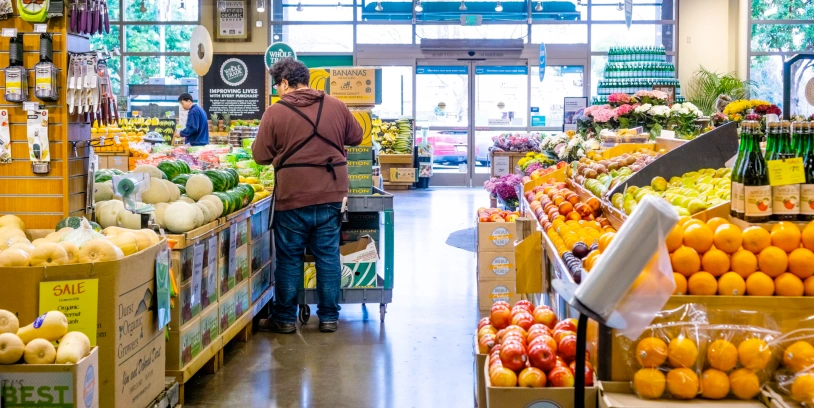
Fresh-format grocers surged ahead in 2025. Sprouts and other specialty players attracted affluent households with wellness-focused assortments, premium produce, and prepared meals.
Although fresh formats account for just 7% of total grocery visits in the first half of 2025, their rapid growth underscores shifting consumer priorities. Health and convenience now rival price as major drivers of purchase decisions, reshaping the competitive landscape.
Polarized Spending Shapes Competition
A key theme in today’s grocery sector trends is polarization. Value grocers, such as Aldi and Lidl, which were once dominant during the 2022–24 “trade-down” wave, now face slower momentum. At the same time, affluent shoppers drive growth at fresh formats.
This dual-track pattern highlights a widening economic divide. Price-sensitive shoppers continue to stretch their budgets with low-cost chains, while wealthier consumers pay premiums for health and wellness products. Middle-market players struggle to keep pace.
Related Article: Latino Consumers Are Leading the Way in Grocery Tech Adoption
Short Trips Reshape Grocery Behavior
Shoppers are also changing how often and how long they visit stores. Short grocery trips under 10 minutes have grown fastest over the past two years, signaling a lasting shift.
Fresh formats benefit most from this trend, offering smaller footprints and quick shopping experiences. Yet their low share of loyal monthly visitors suggests they serve as supplements, not primary destinations.
Traditional supermarkets thrive on longer, comprehensive visits. H-E-B and Kroger draw loyal customers who return for large stock-up trips. Meanwhile, value grocers occupy the middle ground, supporting budget shoppers with private-label goods and essential fill-ins.
Traditional Grocers Prove Resilience
Despite market headwinds, traditional grocers can still outperform. H-E-B and Harris Teeter posted year-over-year gains of 5.6% and 2.8%, respectively, in the first half of 2025.
Their success reflects tailored strategies. H-E-B leans on Texas metros like Austin and San Antonio, while Harris Teeter thrives in South Atlantic suburbs. These approaches demonstrate the continued importance of understanding geography and demographics in today’s competitive grocery market.
Placer.ai’s analysis makes it clear that trends in the grocery sector point to an industry in transition. Fresh formats thrive on health and convenience. Value chains remain critical for price-sensitive households, but no longer lead overall growth. Traditional grocers can still succeed by tailoring strategies to local needs.
As 2025 continues, the battle for grocery dominance will hinge on how well each format adapts to shifting behaviors, polarized spending, and evolving consumer missions. The chains that listen closely to their customers will stay ahead in a sector that shows no sign of standing still.