
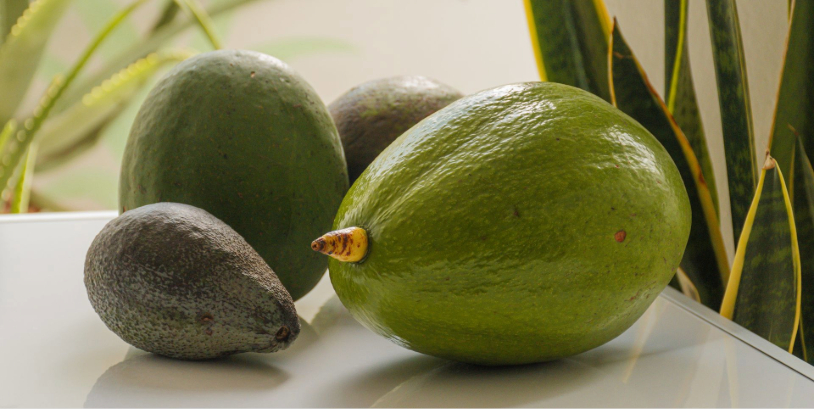
The avocado in the U.S. is no longer the exotic fruit that only a few adventurous consumers were willing to try. Today, it has become a staple on many household shopping lists and is a common sight in supermarkets.
Why? People see it as a healthy option that pairs well with almost anything. According to industry reports, per capita consumption is nearly three times higher than it was twenty years ago.
It is available in most major retail chains across the country, not only because of its flavor but also due to convenience, strong marketing, and consistent consumer demand. Retail turnover remains high.
Consumers frequently buy avocados to prepare breakfasts, guacamole, and salads. The Hass variety is the most popular because it transports well, lasts longer, and offers a texture that shoppers enjoy.
Table of contents
The Rise of Avocados in the United States
The boom in avocado consumption is reflected in the everyday purchasing habits of Americans. Consumption is no longer limited to specific groups of consumers or particular seasons.
In the United States, avocados can be found in almost every household because consumers have fully integrated them into their diets. Sales continue to break records, as noted by Slideshare.
Hass avocados are the top-selling variety because they are easy to identify, ripen consistently, and have a flavor consumers love. Their growth has also been fueled by the popularity of Mexican cuisine.
This trend highlights how consumers are looking for fresh, nutritious, and convenient food options. As a result, retailers continue investing in avocados to attract shoppers to their stores.
Why Do Avocados Drive Retail Sales?
This product supports retail growth in the U.S. because it sells very quickly. Its quality is highly valued by shoppers, who often purchase it repeatedly as part of their daily diets.
Some consumers buy avocados for immediate use, such as preparing a recipe or a quick meal. It is often an impulse purchase that motivates a trip to the store.
Retailers benefit from offering avocados at different stages of ripeness, including green and ready-to-eat options. This variety reduces shelf losses and helps maintain strong sales.
Avocado Health and Wellness Benefits
The widespread success of avocados in the U.S. is largely driven by consumers’ interest in healthy eating, according to The Wall Street Journal. Many people consider them a superfood because:
- They are a direct source of healthy fats.
- They provide significant amounts of fiber and micronutrients.
- They fit easily into balanced diets and nutrition plans.
This nutritional profile drives demand at retail stores, where consumers are willing to pay a premium price. As a result, avocados rank among the most sought-after fruits on the market.
Culinary Versatility
Hass avocados in the United States are no longer reserved for weekend guacamole. According to American Mall & Retail, they are now consumed throughout the day in a wide variety of meals.
Consumers add them to toast, salads, and smoothies, or use them as substitutes for traditional sauces. Because they fit into so many different dishes, shoppers purchase them more frequently.
This versatility helps retailers maintain steady sales year-round. Avocados have evolved from an occasional craving into a weekly kitchen staple.
Year-Round Availability
Avocados are available year-round in the United States thanks to consistent imports from Mexico. According to Produce Business, this steady supply benefits the industry in several ways:
- It prevents the supply gaps that often affect seasonal fruits.
- The product arrives fresh and at optimal ripeness.
- It encourages consumers to add avocados to their carts throughout the year.
- It helps retailers maintain predictable inventories with fast turnover.
Avocado Marketing and Popular Culture
Advertising and consumer habits have transformed avocados in the U.S. into a cultural icon. Promotional campaigns tied to major events such as the Super Bowl have significantly boosted awareness online.
Retailers have also helped make avocados more approachable by comparing their texture to mayonnaise. According to Diario Frutícola, this simple comparison helped demystify the product.
Instagram has also played a major role by showcasing avocados in their natural form and sharing healthy recipes. Cooking enthusiasts quickly adopted them as a favorite ingredient.
This popularity creates a major advantage for supermarkets, where avocados sell for more than just their nutritional benefits. Consumers now buy them not only for health reasons but also as part of their lifestyle identity.
How Avocados Are Sold in Retail
Retailers offer avocados in multiple formats to appeal to different customer segments. Options are often organized based on ripeness, budget, and convenience.
Retailers such as Walmart, specialty stores, and warehouse clubs feature avocados year-round in their fresh produce sections. Hass avocados in the United States are sold individually, in multipacks, and in bagged formats.
Many shoppers prefer selecting avocados with different ripening timelines. Because the product has high turnover, some retailers place it near tomatoes and onions to encourage complementary purchases.
Supermarkets have also integrated avocados into their online sales platforms, allowing customers to choose the exact quantity they want and even specify their preferred ripeness level.
Mexico’s Role in the Avocado Market
Mexico supplies the majority of avocado demand in the United States. Its continuous production ensures year-round availability across retail outlets.
Mexican Hass avocados withstand transportation well and sell quickly because of their quality and durability. This gives U.S. retailers access to reliable inventory with minimal losses.
This trade relationship has helped transform avocados from an occasional indulgence into a mainstream food item. Without this supply chain, the Hass category would likely be much smaller and less influential.
However, the United States has also authorized avocado imports from Guatemala to expand market access for additional producers and diversify supply sources, according to AP News.
Challenges and Opportunities for Avocados
Price sensitivity remains the biggest challenge for avocados, as not all U.S. consumers are willing to continue purchasing them if prices rise significantly.
Another challenge is dependence on imports, which exposes the market to climate, trade, and logistical disruptions. Managing ripeness to prevent spoilage is also critical.
Opportunities continue to grow through ready-to-serve options, premium formats, and value-added products. Online shopping also opens a large and convenient market for avocado sales.
The fruit’s strong reputation as a healthy food provides a unique platform for innovation. This balance creates significant growth opportunities, provided retailers execute their strategies effectively.
Types of Avocados in the U.S.
Several avocado varieties are available in the United States, although Hass dominates the market. Alternatives such as Bacon, Pinkerton, and Reed can be found in selected stores and regional markets.
These varieties expand consumer choice and attract shoppers looking for different flavors or textures. They also help distinguish harvest seasons, culinary uses, and consumer preferences.
Large supermarket chains continue to focus primarily on Hass avocados, while other varieties serve as complementary offerings rather than direct competitors.
Hass Avocados in the United States
The first avocado variety most consumers encounter when shopping is Hass. According to Wikifarmer, it is the most commercially important variety because:
- It withstands handling and transportation without significant damage.
- It ripens consistently and predictably.
- It offers a creamy texture and buttery flavor that consumers widely enjoy.
Bacon Avocados
This green-skinned variety appeals to shoppers looking for seasonal fruit options in North American supermarkets:
- It remains green when ripe, requiring closer inspection by consumers.
- It offers a lighter texture and lower oil content than Hass.
- It adds diversity to produce displays despite its smaller market share.
- It has lower turnover but helps attract curious shoppers.
Reed Avocados
This California-grown variety has a limited presence in U.S. supermarkets, but it contributes variety to produce departments through the following characteristics:
- It has a large size and a round shape.
- It retains its green skin when ripe and offers a buttery interior texture.
- It provides more flesh per fruit for consumers seeking a mild flavor.
- It serves as a premium and exclusive option within retail assortments.
Pinkerton Avocados
Pinkerton avocados are marketed in specific channels for consumers interested in alternatives to traditional avocados in the U.S. This variety is characterized by:
- An elongated shape with abundant flesh due to its small seed.
- A flexible peel that makes it easy to remove the skin without damaging the fruit.
- A green, rough-textured skin when ripe that stands out on store shelves.
- Modest sales volumes focused primarily on niche retail outlets.
All of these avocado varieties reflect the diversity within the U.S. produce sector. According to Fine Dining Lovers, Mexican and Guatemalan avocados remain among the most widely sold and recognized options in the market.