
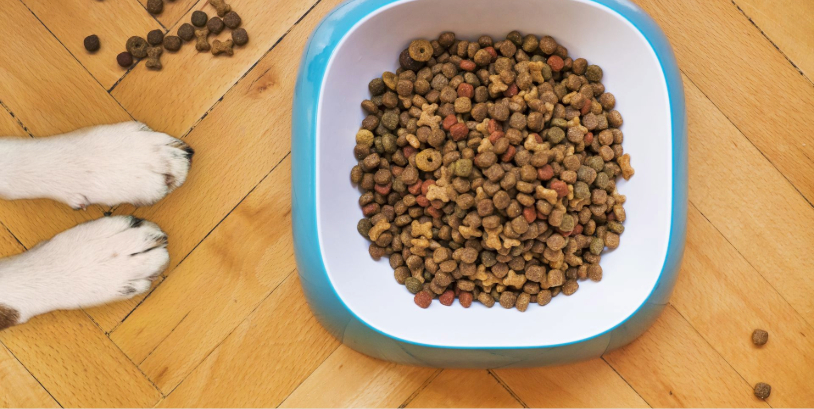
Pet owners are reshaping pet food trends in 2026. Their priority is providing products tailored to their animals’ specific needs to help prevent illness and support long-term health.
According to Pet Food Industry, consumers are no longer satisfied with just any bag of kibble. They demand fresher, higher-quality recipes that help their pets live healthier and longer lives.
They also want easy-to-read labels with fewer processed and artificial ingredients. Another growing demand is home-delivery subscriptions that ensure food arrives before supplies run out.
Research firms such as Innova Market Insights and Clarkston Consulting link this shift to a stronger focus on digestive health and higher-quality protein sources. At the heart of it all is the fact that dogs and cats are increasingly treated as family members.
Table of contents
- Discover the 10 Most Popular Pet Food Trends in 2026
- 1. Fresh and Refrigerated Pet Food
- 2. Functional Ingredient Formulas
- 3. Customized Diets Based on Age, Breed, and Health
- 4. Growth of Premium and Super-Premium Pet Food
- 5. Rising Demand for Grain-Free Recipes
- 6. Healthy Snacks and Functional Treats
- 7. Sustainability and Eco-Friendly Packaging
- 8. Alternative and Novel Protein Sources
- 9. Clean Labels and Simpler Ingredients
- 10. Growth of Subscription-Based Pet Food and Ecommerce
- 11. Probiotics and Advanced Digestive Health
- 12. Humanized Recipes and Gourmet Flavors
- 13. Preventive Health-Focused Nutrition
Discover the 10 Most Popular Pet Food Trends in 2026
Pet store shelves across the United States now offer food options that would have seemed unimaginable just a few years ago. The demand for new meal varieties and advances in animal nutrition has filled the market with innovation.
This has led manufacturers to reformulate products and introduce a wide range of new offerings. Here are the ten pet food trends in 2026 that are transforming pet nutrition.
1. Fresh and Refrigerated Pet Food
These products continue to gain popularity because they closely resemble homemade meals. Many pet owners choose them because they consider them healthier, more natural, and more appealing.
Clarkston Consulting reports that sales of these meals for dogs increased by 13.4%. Freshpet even became the first brand to receive official recognition for the purity of its ingredients.
This demand is driven by the emotional bond people share with their pets. According to Innova Market Insights, many consumers look for foods that resemble what they would choose for themselves.
Although these meal options tend to cost more, many owners are willing to pay the premium to support their pets’ health. They also take advantage of online shopping and subscription services for convenient replenishment.
2. Functional Ingredient Formulas
According to Mintel, pet food trends in 2026 show that consumers are no longer looking for food that only meets basic nutritional requirements. They want products that help improve and prevent health issues, including:
- Digestive support and reduced gas through probiotics and fiber.
- Improved coat quality and reduced shedding with omega-3 fatty acids.
- Joint and bone support to help pets stay active and comfortable.
Pet owners prefer feeding a complete kibble with added benefits rather than purchasing separate supplements. As a result, they place greater value on brands that offer these innovations.
3. Customized Diets Based on Age, Breed, and Health
One of the most significant pet food trends in 2026 is personalized nutrition. Every pet has unique needs depending on age, breed, lifestyle, and medical conditions.
Paw Naturals reports that 35% of pet owners worldwide choose food based on their animal’s specific characteristics. As a result, the market now offers a greater variety of specialized formulas.
These range from recipes designed for puppies and senior pets to options for highly active animals or those with sensitivities. The customization goes beyond species, age, and size alone.
Personalized feeding has become the new normal. By providing targeted nutrition, brands build stronger trust and loyalty among customers.
4. Growth of Premium and Super-Premium Pet Food
Premium and super-premium segments continue to expand as pet owners seek better nutrition for their companions, even if it means spending more.
An Arizton report highlights the growth of this sector due to increasing demand for natural and premium recipes. Consumers want clean labels that clearly explain the origin of every ingredient.
They choose these brands because they associate them with safety, superior quality, better formulations, and enhanced health benefits for their pets.
5. Rising Demand for Grain-Free Recipes
Another important pet food trend in 2026 is the preference for foods made with potatoes or peas instead of traditional grains. Many consumers view these options as more natural and easier to digest.
Montana Dog Food Co. notes that the grain-free claim serves as a strong differentiator on store shelves. Consumers seek these formulas because they offer:
- Easier digestion through recipes designed to reduce stomach discomfort.
- Fewer allergies thanks to limited-ingredient and single-protein formulas.
- Healthier carbohydrate alternatives compared to some grain-based recipes.
6. Healthy Snacks and Functional Treats
Treats are no longer used solely as rewards. Many pet owners now consider them part of their pet’s daily nutrition and look for options that provide additional health benefits.
New snacks are formulated to support dental health, digestion, weight management, and immune function. This allows owners to spoil their pets while also contributing to their well-being.
Because treats are consumed quickly, shoppers frequently return to stores to restock. This high turnover makes functional treats one of the fastest-growing categories in the pet food market.
7. Sustainability and Eco-Friendly Packaging
Environmental responsibility has also become part of pet food trends in 2026. Consumers increasingly consider the environmental impact of the products they purchase.
As a result, they want transparency regarding ingredient sourcing and manufacturing practices. Industry reports indicate a strong preference for biodegradable packaging.
Plant-based materials and reusable packaging are especially popular among younger consumers. This trend is pushing brands to incorporate sustainability into their business strategies.
8. Alternative and Novel Protein Sources
The search for ingredients that better suit pets’ needs is encouraging brands to explore alternative proteins. According to Innova Market Insights, many new recipes feature:
- Insects and cultivated meat to reduce environmental impact.
- Single-protein and hydrolyzed protein sources that help minimize food sensitivities.
- Fermentation-based innovations that differentiate products in a competitive market.
Consumers are no longer focused solely on protein quantity. They increasingly seek carefully selected protein sources. Although these alternatives are not yet mainstream, resistance to them is gradually decreasing.
9. Clean Labels and Simpler Ingredients
Consumers want to immediately understand what is in their pets’ food. Short ingredient lists featuring recognizable ingredients inspire the greatest confidence.
According to Montana Dog Food Co., 35% of global consumers look for labels that avoid artificial colors, flavors, and questionable preservatives.
Simple recipes make products appear more natural and higher quality while sparing consumers the challenge of deciphering complicated ingredient lists.
10. Growth of Subscription-Based Pet Food and Ecommerce
Ordering pet food online and having it delivered directly to the home has become routine. Consumers appreciate the convenience and the broader selection available online.
Clarkston Consulting notes that frozen, dehydrated, and air-dried products are among the most in-demand categories. Subscription services help ensure that pets never run out of food.
Ecommerce platforms also provide access to products that may not be available in traditional supermarkets. In addition, brands can better understand consumer preferences and deliver personalized offers.
11. Probiotics and Advanced Digestive Health
Supporting digestive health has become one of the top priorities for pet owners. As a result, many new pet food products include:
- Fiber, prebiotics, and probiotics to improve nutrient absorption.
- Formulas designed to help prevent common gastrointestinal issues in sensitive pets.
- Noticeable benefits such as smoother digestion and firmer stools.
12. Humanized Recipes and Gourmet Flavors
Nearly half of consumers consider their pets full members of the family. This mindset drives demand for fresher meals, better textures, and foods that resemble human cuisine.
Consumers want their pets to enjoy every meal and are willing to pay more for premium dining experiences. Brands capitalize on this emotional connection by offering sophisticated menus.
According to Mintel Store, this is one of the strongest pet food trends in 2026. Humanization is changing not only product formulations but also how brands communicate with customers.
13. Preventive Health-Focused Nutrition
Consumers no longer wait until their pets become ill before changing their diet. The priority is providing nutrition that helps prevent long-term health concerns.
As a result, pet owners seek foods that support joint health, weight management, skin condition, and immune function. Paw Naturals notes that this approach turns pet food into a proactive wellness tool.
These specialized recipes are particularly effective for senior dogs and cats. By choosing them, owners gain peace of mind knowing they are investing in their companions’ future health.
This preventive approach aligns closely with the growth of personalized nutrition. Consumers are increasingly purchasing recipes tailored to their pets’ specific digestive and health needs.