
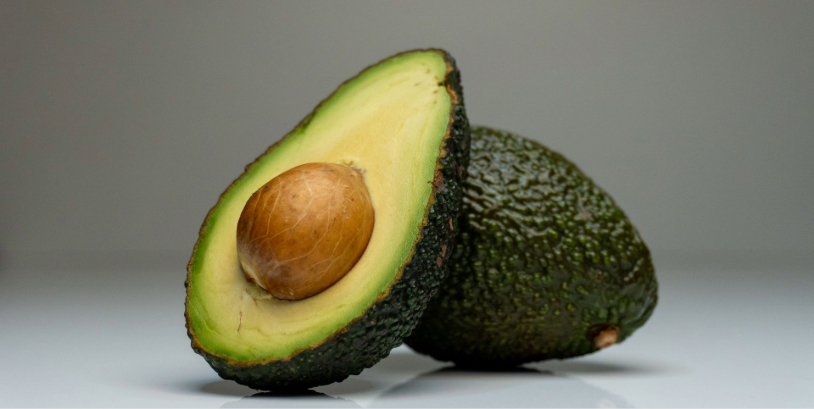
If you are wondering how much avocado the United States consumes, today its population eats three times more than it did at the beginning of the 2000s: 3.5 kilograms per person per year.
This 2024 figure confirms that the country is the world’s largest consumer of this fruit, according to La Razón. It has gone from being a niche product to an essential item for Americans.
At first, only a very small group of people bought it, but now many consumers purchase it to eat in salads, toast, or guacamole. They take advantage of the fact that it is always available.
Retailers constantly import shipments from Latin America to supply stores throughout the year. As a result, avocados can be easily found in markets during any season.
Mass interest in avocados grew because of the popularity of Mexican food. Advertising campaigns also helped people view it as a superfood.
Table of contents
Key Figures on Avocado Consumption in the United States
In 2025, the avocado supply in the USA exceeded 1.36 billion kilograms. This was an all-time record that demonstrates the popularity of this food among the American population.
Demand increased by 260% following the creation of the Hass Avocado Board, the agricultural organization responsible for promoting avocados in the country as a fresh and healthy product.
Americans tripled their consumption of this fruit since 2001, reaching 8 pounds (3.6 kilograms) per person in 2018, according to official ERS USDA data.
Fructidor reports that imports went from covering 40% to 90% of the domestic market. Imported purchases totaled 2.675 billion pounds between 2020 and 2021.
7 Reasons Why Americans Consume So Much Avocado
Behind how much avocado the United States consumes, there are several specific reasons. A steady supply and imports from Mexico are among the most important, according to El País.
Each factor has helped Americans incorporate this food into their weekly shopping lists. Below are the seven reasons that explain the avocado craze.
1. A Large Supply Available Year-Round
The avocado market in the USA is supplied by local orchards and fruit imported from Latin America. As a result, supermarkets have avocados available every week of the year.
Domestic production has declined over time and harvests vary significantly, according to the USDA Economic Research Service, making imports necessary to meet demand.
- 90% of the fruit Americans consume comes from Mexico, according to CNBC.
- Mexican producers supply the market four times a year, while California only has two harvest seasons.
- Free trade began in 1997 when a border ban that had lasted more than 80 years was lifted.
2. Advertising and Positioning as a “Superfood”
Media outlets such as La Razón explain how advertising campaigns encouraged avocado purchases in the USA. The first large-scale campaign was launched during the 2015 Super Bowl.
The Hass Avocado Board’s strategy was to stop presenting avocados as merely exotic and instead showcase them as a nutritious food that easily fits into any meal.
New promotional campaigns linked avocados to a healthier lifestyle, helping consumption grow by more than 200% over just a few decades.
Meanwhile, the millennial generation turned avocados into an internet phenomenon through social media memes. This digital trend popularized the fruit nationwide.
3. Real Nutritional Benefits That Support the Hype
Expectations surrounding this superfood are not exaggerated. According to PubMed, it contains numerous nutrients, which is reflected in how much avocado the United States consumes.
Although individual consumption remains relatively modest, its high levels of fiber, potassium, and vitamins E, K, and C provide significant benefits for those who eat it regularly.
- It lowers cholesterol and significantly improves heart health.
- Its texture and mild flavor make it suitable for breakfast, lunch, and dinner.
- It pairs well with salads, eggs, toast, smoothies, soups, and even desserts.
- It is a recommended substitute for butter and saturated fats.
4. The Rise of Mexican Cuisine and Cultural Fusion
The popularity of traditional Mexican dishes boosted the avocado market in the USA. Tacos, burritos, and guacamole became very common foods throughout the country.
The Latino community introduced the habit of eating avocados. Over time, the rest of the population adopted the practice of including them in their daily diet.
Most consumers prefer this nearby source because of its flavor. As a result, more than 80% of imported avocados come from Mexico, according to La Razón.
For Mexican chef Pati Jinich, this fruit represents the identity and heart of her country. As she told the publication, without the success of traditional cuisine, avocado consumption would not be what it is today.
5. Changes in American Eating Habits
The search for healthier and fresher products changed eating habits in the United States. Starting in 2010, consumers increasingly focused on organic and natural foods.
Avocados fit perfectly into this trend and became common in family meals and social gatherings. Cafés and restaurants helped expand consumption, according to Statista.
- Restaurants filled their menus with avocado toast, salads, and visually appealing dishes.
- The fruit’s popularity among young people turned it into a generational icon.
- Avocados moved from restaurant menus into ready-made meal trays.
6. The Decline of U.S. Production
According to the ERS-USDA, domestic avocado production has declined in recent years, forcing the country to depend much more heavily on avocados imported from other nations, especially Mexico.
In 2018, California supplied only 7% of the total avocado consumption in the country. Of the 364 million pounds produced that year, California accounted for 93% of the national harvest.
The lack of farmland due to urban expansion, increasingly expensive water, and climate conditions have reduced production. There are fewer planted acres, and harvests have become unstable.
Without enough domestic orchards, supply depends on imports, which have gone from covering 40% of demand in 2000 to representing 90% of the current supply.
7. Mexico’s Role as the Dominant Supplier
This global producer has led avocado shipments to the United States since 2007, when it surpassed Chile as the country’s main supplier. By 2018, it accounted for 89% of fresh avocado imports.
Between 2019 and 2021, 88% of the supply came from Mexico. According to El País, imports increased from only 55 million pounds at the beginning of the century to 2.25 billion pounds during that period.
- The Mexican state of Michoacán is the only region certified by U.S. authorities to export avocados.
- Practically nine out of every ten avocados consumed in the USA come from this area.
- The Free Trade Agreement facilitates the entry of the fruit into the country.
Threats to the Future of Avocado Consumption in the U.S.
Although the figure for how much avocado the United States consumes continues to rise, according to FreshPlaza, several issues are emerging that could affect purchases in the coming years.
New trade regulations, foreign competition, and climate change threaten this growth. The industry is closely monitoring the situation to ensure the product remains available in stores.
Trump’s Trade War and Tariffs
The threat by the U.S. president to impose a 25% tariff on Mexico has put the sector on alert. This would affect a market that depends heavily on neighboring orchards.
To avoid losses, local businesses would have to raise avocado prices in stores and supermarkets, forcing consumers to pay significantly more for the same product.
Distributors fear that a sharp increase in costs could hurt sales. Dependence is extremely high, since nearly 90% of consumed avocados come from Mexico, according to UNAV.
The future of these shipments becomes uncertain because of ongoing political disputes between the two governments. A tax of that magnitude could immediately disrupt current supply levels.
Environmental Concerns About Cultivation in Mexico
Large-scale avocado farming in Michoacán has already raised concerns about deforestation. Farmers have cleared forests to expand orchards, damaging the local ecosystem.
Water consumption is another issue because avocado cultivation requires large amounts of water. This has created tensions with nearby communities and could lead to new regulations that slow Mexican production.
In addition, environmentally conscious American consumers may increasingly favor products that carry ecological certifications.
If Mexico does not address these concerns, it risks international sanctions and consumer rejection. Continued access to this market will depend on compliance with environmental standards.
Competition From Peru, Colombia, and Chile (Although Still Limited)
Peru is the second-largest supplier to the United States after Mexico, especially during the summer months. In recent years, it has accounted for 7% of imports, surpassing the Dominican Republic and Chile.
These two countries supply 3% and 1% of the avocado market, respectively. Colombia ranks 15th globally and is also seeking to expand exports to the United States.
This competition aims to take advantage of different harvest seasons, but none of these countries can match Mexico’s production volume. Their increased supply could eventually help lower supermarket prices.
Climate Variability Affecting Harvests
In 2026, favorable weather conditions are expected to allow Mexico to achieve its largest avocado production of the past five years. However, this depends on the absence of major climate disruptions.
These disruptions include droughts, extreme rainfall, and frost that can reduce harvests. The United States already experiences year-to-year production fluctuations because of climate-related changes.
- Global climate changes could make harvests increasingly unstable over time.
- If weather conditions damage Mexican production, prices will rise and consumption will decline.
- Lower sales will be reflected in how much avocado the United States consumes.
- Stable weather conditions are necessary to maintain consistent shipments to the country.
FAQ
How Much Avocado Does the United States Consume Per Year?
Annual consumption reaches 1.36 billion kilograms, an all-time record after surpassing 3 billion pounds for the first time in 2025, according to the agricultural news outlet Frutícola.
Where Does the Avocado Consumed in the United States Come From?
Nearly 90% of this food comes from Michoacán, Mexico. The remainder of the market is supplied by Peru (7%), the Dominican Republic (3%), and Chile (1%).
Is Avocado Really Healthy?
Yes. It supports heart health because it contains healthy fats that help lower cholesterol. Nutritionists recommend it as a substitute for butter due to its saturated fat profile, potassium content, and vitamin-rich nutritional value.