

A couple of months ago, I watched a YouTube report that confirmed concerns already supported by data affecting Hispanic supermarkets.
In the story, Rosa María, a longtime employee at a store in Huntington Park, California, described a change in daily life.
“Before,” she says nostalgically, “the aisles were filled with voices, entire families, people who came to shop and say hello. Now, many still shop, but they don’t come as often. You can tell.”
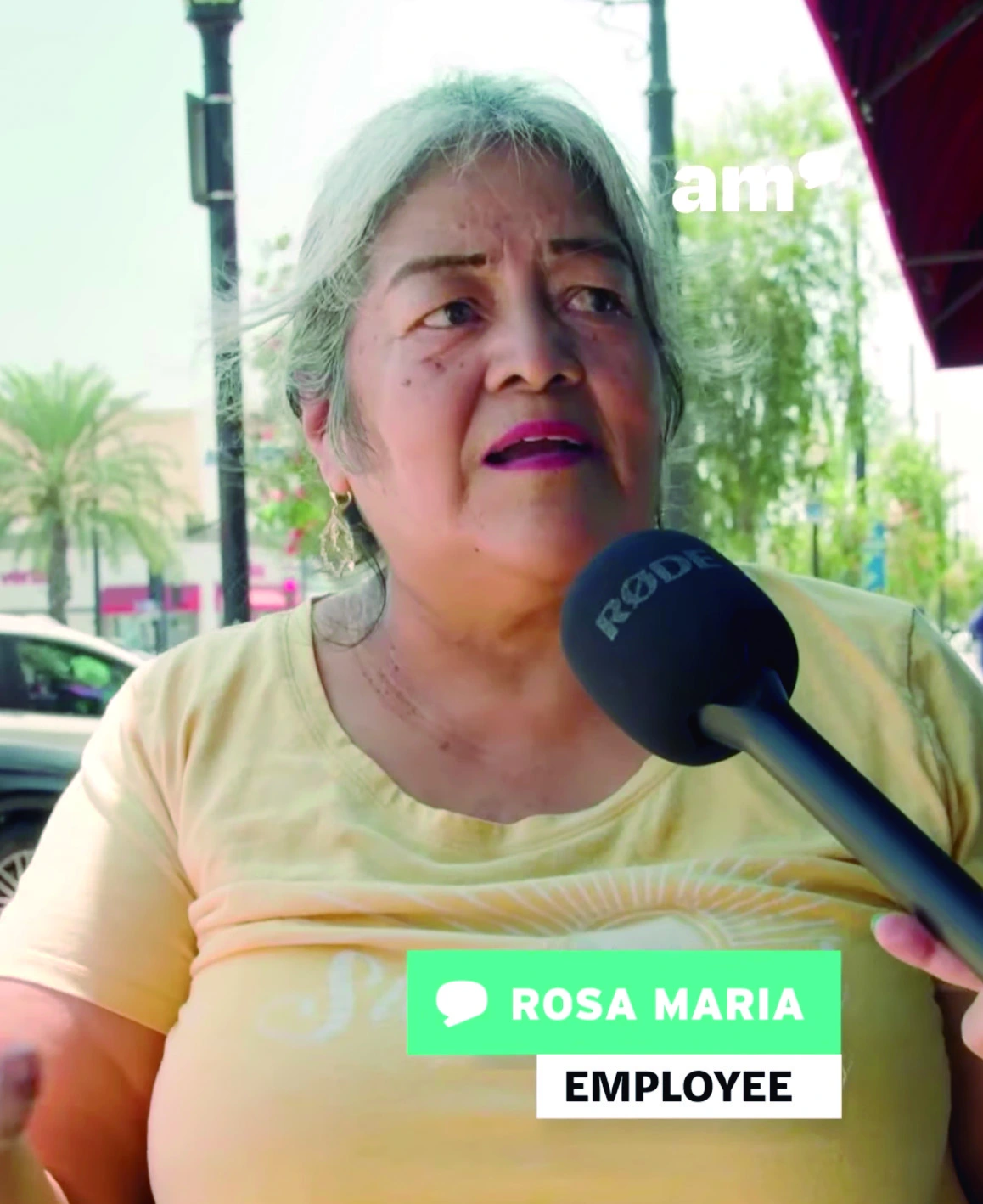
Rosa María isn’t talking about politics or statistics. She’s talking about absences. The kind we’ve seen in other cities.
Her story is not unique. Across several U.S. markets, many Hispanic families have begun adjusting how they shop. Some reduce visits to crowded public places or choose alternatives to avoid uncomfortable situations associated with immigration operations by the Department of Homeland Security and ICE.
Consequently, this shift has begun to affect Hispanic supermarkets and other retailers serving these communities.
A recent Reuters report documented that merchants in areas with large Hispanic populations have experienced a noticeable drop in store traffic. Many shoppers now prefer online purchases or fewer visits.
Moreover, data cited in the analysis from Kantar showed visits by Hispanic shoppers to large stores fell nearly 15% year over year between April and June. Other groups recorded far smaller declines.
Therefore, this moment challenges Hispanic supermarkets to rethink how they serve their communities and strengthen customer relationships.
Below are five simple, realistic, and actionable ideas for responding from a customer service and experience perspective.
1. Launch or Strengthen a Basic Loyalty Program
Retailers should no longer delay building direct relationships with shoppers.
A simple loyalty program allows Hispanic supermarkets to identify repeat customers, track purchasing habits, and communicate directly with them.
As store visits decline, knowing who your customers are—and how to reach them—becomes essential.
2. Listen Through Short, Anonymous Surveys
Retailers often underestimate the value of simple questions.
For example: “What did you like about your experience today?” or “How can we improve your visit?”
These short surveys provide immediate insights into merchandise, pricing, and service expectations.
Equally important, asking customers for feedback builds trust and reinforces a sense of community connection.
Related Article: Do you have a strong voice? Elevating Hispanic Talent
3. Partner With Home Delivery Platforms
The same Reuters report highlighted another important trend.
Businesses with limited digital options suffered the sharpest declines in traffic. Meanwhile, retailers offering remote shopping alternatives softened the impact.
Partnerships with delivery platforms such as DoorDash or Uber Eats allow Hispanic supermarkets to serve customers who now prioritize convenience and privacy.
In many cases, these partnerships require minimal investment and can launch quickly.
4. Create a Community Service Counter
Retailers should also reconsider how customer service areas function inside the store.
A “community service” counter could offer referrals to local legal resources, translation services, transportation assistance, or delivery options.
The goal is not to solve every problem. Instead, the store becomes a guide and trusted resource for the community.
That role strengthens the emotional bond between Hispanic supermarkets and their customers.
5. Build a Welcoming Atmosphere Through Empathetic Communication
In uncertain moments, silence sends a message as well.
Simple visual reminders inside the store can reinforce trust and a sense of belonging.
For instance, retailers could display welcoming messages at checkout counters or service areas. Photos of employees greeting customers can also strengthen that connection.
Examples of effective messages include:
- “Thank you for trusting us. We are here to serve you, today and always.”
- “This store exists for and because of our community.”
- “We are proud to serve our families in good times and difficult times.”
These messages avoid politics. Instead, they express gratitude to customers who continue to support local stores.
Hispanic Supermarkets Face Opportunity as Shopping Habits Shift
Despite current challenges, Hispanic purchasing power continues to grow. Analysts project the market will reach nearly $2.8 trillion by 2026.
Therefore, the issue does not involve declining demand. Instead, it reflects changing shopping behaviors and evolving community needs.
For Hispanic supermarkets, this moment offers a chance to deepen relationships beyond transactions.
Retailers that listen, adapt, and communicate with empathy will protect their businesses and build stronger loyalty.
After all, communities remember more than prices. They remember who showed up when it mattered most.