
Key Takeaways
- On December 12, Mexico celebrates the Day of Our Lady of Guadalupe with shared food traditions that bring families together.
- Traditional dishes for this day include tamales, atole, pozole, mole, and La Villa gorditas, often enjoyed after communal celebrations.
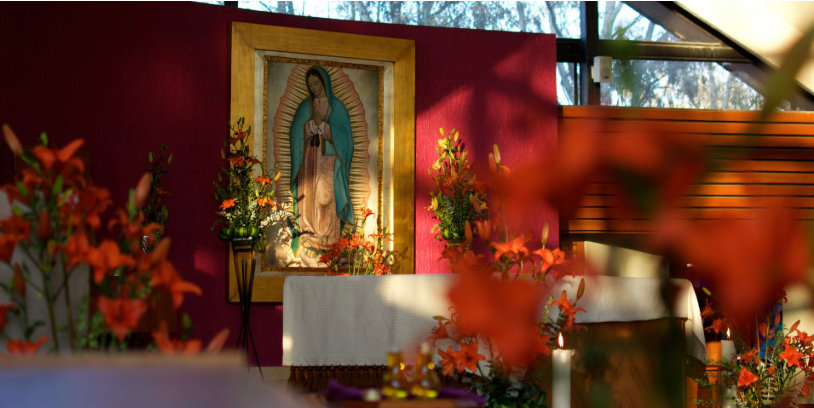
- The Feast commemorates the Virgin Mary’s apparition to Juan Diego in 1531, fostering both religious devotion and family warmth.
- In the U.S., celebrations can mirror those in Mexico, with suggested menus including tamales, pozole, and desserts like buñuelos.
- Gathering ingredients for the Day of Our Lady of Guadalupe is easier in Hispanic food aisles or Latin grocery stores.
On December 12, Mexico comes to a standstill to celebrate its patron saint. Food for the Day of Our Lady of Guadalupe is an important part of this major national celebration.
At parishes and outside the Basilica, you’ll find all kinds of food on this special day, from traditional tamales to the famous La Villa gorditas wrapped in colorful tissue paper.
Other dishes also make the list. You’ll discover them here, along with several ideas to help you keep the tradition alive if you’re celebrating this holiday in the United States this year.
Table of contents
Why December 12 Is Celebrated With Food
The Feast of Our Lady of Guadalupe brings together religious devotion and family warmth. For Mexicans, sharing food is one of the most heartfelt ways to give thanks and welcome those who come to celebrate.
The Story of the Apparitions
According to tradition, the Virgin Mary first appeared to Juan Diego in 1531, visiting him four times on Tepeyac Hill. The last apparition took place on December 12.
She asked him to build a church on that very spot and left her image imprinted on the cloak he was wearing. Juan Diego was canonized in 2002 by Pope John Paul II.
The Basilica, completed in 1976, houses the original cloak. The celebration begins the night before, on December 11, when millions of Catholic families gather to sing the traditional mañanitas.
One of the Largest Pilgrimages in the Americas
According to Mexico City authorities, the Basilica broke its record in 2025, welcoming 13 million visitors. The vast majority of pilgrims arrived on foot or by bicycle.
After traveling long distances or even crawling on their knees along the road, people look forward to eating when they arrive. The ritual also includes sharing food for the Day of Our Lady of Guadalupe.
Clara Brugada, head of Mexico City’s government, estimated the economic impact at 1.6 billion pesos in 2024. The annual security and logistics operation continues through December 14 because some pilgrims arrive later.
Food for the Day of Our Lady of Guadalupe: Traditional Dishes
There is no set menu because every family has its own customs. However, tables are usually filled with dishes meant to be shared at homes, churches, and parishes. Here are some popular choices:
- Tamales in different flavors, prepared in large batches to share.
- Atole and champurrado, warm drinks made with corn and chocolate.
- Pozole with hominy broth and pork or chicken.
- Mole served with rice for the main celebrations.
- La Villa gorditas wrapped in colorful tissue paper.
- Crispy buñuelos topped with sugar, cinnamon, or piloncillo syrup.
Tamales and Atole: The Early Morning Breakfast
After singing the traditional mañanitas to Our Lady of Guadalupe, many households and parishes hand out atole and tamales. These dishes are served in the early morning to help keep everyone warm.
One of the most popular drinks is chocolate champurrado, made with corn masa. Sweetened with piloncillo, it has a rich flavor that pairs perfectly with savory tamales.
For children, there are lighter options, such as guava, strawberry, or rice atole. These drinks are served warm in small clay mugs or disposable cups.
As for the tamales, most families prepare them together the day before the celebration. Making the filling, preparing the masa, and arranging the corn husks brings several generations together.
Pozole, Mole, and Enchiladas for Lunch
By midday, the meal becomes heartier, with pozole taking center stage as a crowd favorite. Large pots make it easy to serve plenty of guests, and everyone can help themselves to as much as they like.
To accompany it, families set out lettuce, radishes, onions, oregano, and plenty of limes. These ingredients add a refreshing crunch to every bowl of hot broth.
Another classic dish at Mexican patron saint celebrations is mole with red rice. In fact, many families organize meals in honor of the Virgin Mary and serve this traditional dish hot.
If you’re expecting a large crowd, enchiladas and tostadas are excellent options. They’re quick to prepare in large quantities and won’t take much out of your budget because they’re inexpensive.
Sweets and Drinks for the Guadalupe Celebration
For Mexicans, no celebration is complete without something sweet. That’s why the areas around the Basilica and church courtyards are filled with food stands selling these traditional treats.
La Villa Gorditas: A Centuries-Old Sweet Treat
The Mexico City tourism portal describes them as small, slightly sweet corn cakes cooked on a griddle. Their most distinctive feature is their colorful wrapping paper.
They were once sold in brown kraft paper. However, according to México Desconocido, vendors switched to brightly colored paper to attract customers visiting La Villa.
Duck and fish tamales were also sold in the same area when the neighborhood was still surrounded by lakes. Of all those traditional foods, this sweet treat is the only one that has survived from that era.
You won’t find them in the Basilica’s atrium anymore. Instead, they’re sold throughout the surrounding markets. The good news is that most stands are still family-owned businesses passed down from one generation to the next.
Buñuelos, Gorditas de Nata, and Café de Olla
Fried until thin and crispy, then covered with sugar and cinnamon or drizzled with syrup, buñuelos are a favorite dessert served as part of the food for the Day of Our Lady of Guadalupe.
Gorditas de nata, on the other hand, are especially popular with children and are sold outside churches. They’re soft and sweet, making them perfect to enjoy after Mass.
For drinks, café de olla made with piloncillo and cinnamon or a cup of hot chocolate are excellent choices. These beverages help balance out the sweets and keep everyone warm during the chilly December mornings.
How to Make La Villa Gorditas at Home
Making these treats is easy. This recipe yields about 20 pieces, perfect for adding a delicious sweet snack to your Day of Our Lady of Guadalupe celebration.
Ingredients
The main ingredient is nixtamalized corn flour, the same kind used to make tortillas. All you need to cook them is a heavy skillet or griddle and the following ingredients:
- 2 cups tortilla flour
- 1/3 cup sugar or grated piloncillo
- 1 teaspoon ground cinnamon
- 1 teaspoon baking powder
- 3 tablespoons lard or vegetable shortening
- About 1 cup warm milk
- Colorful tissue paper
Step-by-Step Instructions
First, combine the flour, sugar, cinnamon, and baking powder in a bowl. Add the shortening and work it in with your fingers until the mixture resembles damp sand.
Next, gradually pour in the warm milk while kneading the dough. Once it no longer sticks to your hands, cover it with a damp kitchen towel and let it rest for about 10 minutes.
Then, shape the dough into walnut-sized balls and flatten them into thick discs. Place them on a griddle over medium-low heat, cooking each side for about four minutes until they puff up nicely.
Finally, wrap them while they’re still warm in colorful tissue paper, just like traditional La Villa gorditas. This helps retain their heat and keeps them soft for longer.
How to Celebrate December 12 in the United States
In the United States, devotion to Our Lady of Guadalupe is celebrated with the same enthusiasm. People gather at churches to sing the mañanitas and enjoy warm atole with sweet bread after Mass.
Ideas for a Guadalupe Celebration
Planning your food for the Day of Our Lady of Guadalupe ahead of time saves you the stress of preparing everything at the last minute. These suggestions will help you get your menu ready without rushing:
- Assorted tamales with hot champurrado to serve in the early morning.
- A large pot of pozole or mole with rice for lunchtime.
- Crispy buñuelos, La Villa gorditas, and café de olla in the afternoon.
- Fruit-flavored atole and gorditas de nata as special treats for children.
- Plenty of extra servings to share with neighbors or pilgrims.
Don’t forget to store food properly. FoodSafety.gov recommends reheating leftovers to 165°F and refrigerating pozole and tamales within two hours of being left out.
Where to Find the Ingredients
In the United States, you can find almost everything in the Hispanic food aisle at your local supermarket. There, you’ll find everything from tamale flour and dried corn husks to hominy and piloncillo.
For dried chiles, Mexican table chocolate, or colorful tissue paper, your best option is to visit a Latin grocery store. These shops even sell ready-made mole paste.
A Table Full of Faith and Tradition
Few traditions bring people together quite like food for the Day of Our Lady of Guadalupe. A few hot tamales and bowls of pozole are enough to bring family, friends, and neighbors together.
Prepare one of these traditional treats this year and share a dish with your parish community. At Abasto, you’ll find plenty of traditional recipes to celebrate your devotion to Mexico’s patron saint.