
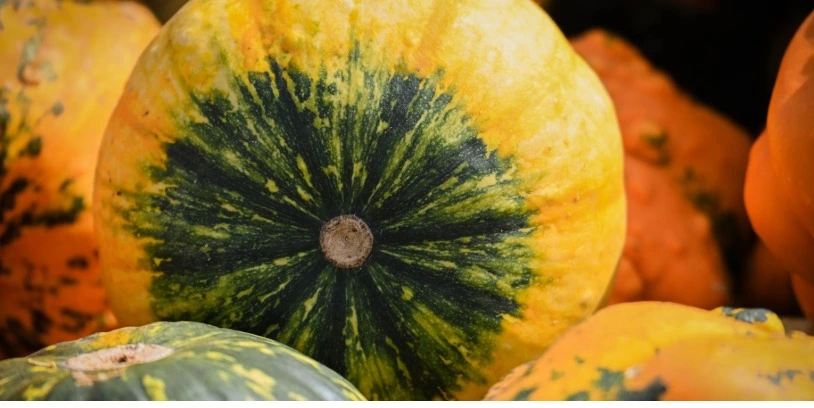
As temperatures drop, markets change their selection. Apples, pears, pomegranates, grapes, and pumpkins appear among the fall fruits in the United States.
Harvest dates depend heavily on the climate of each region across North America. From September to November, for example, it is time for cranberries and sweet potatoes.
Vegetables such as cauliflower, broccoli, and Brussels sprouts also arrive in stores during these months. It is a good opportunity to learn which foods come from nearby farms.
Table of contents
- Popular Fall Fruits in the United States
- Most Commonly Consumed Fall Vegetables
- Fall Produce by Region of the United States
- Benefits of Eating Seasonal Fruits and Vegetables
- Fall Fruits for Sweet Recipes
- Fall Vegetables for Savory Recipes
- Fall Fruit and Vegetable Calendar
- How to Choose Fresh Fall Fruits and Vegetables
Popular Fall Fruits in the United States
Grocery store aisles change color as fresh harvests arrive. Apples fill the dessert and children’s snack sections.
Ripe pears soften on the shelves, while grapes become a convenient grab-and-go option. Cranberries arrive in time for November recipes and celebrations.
Pumpkins are used to prepare simple, minimally processed dishes. The USDA guide also includes pomegranates on its official list of fall fruits in the United States.
Seasonal Apples, Pumpkins, Pears, Cranberries, and Grapes
Fall fruits in the United States have specific characteristics for culinary use. Seasonal offerings range from tart fruits to sweet options, such as:
- Apples eaten fresh in salads, ciders, or pies.
- Ripe pears for roasting with cinnamon or eating fresh.
- Fresh, dried, or frozen cranberries for making sauces.
Most Commonly Consumed Fall Vegetables
Sweet potatoes add sweetness to stews or tacos, while broccoli and cauliflower cook quickly. These fall vegetables in the USA are abundant during the cooler months.
Brussels sprouts become crispy in the oven with olive oil. These local ingredients make it easy to prepare warm salads and other seasonal meals.
Carrots, kale, cabbage, and potatoes round out the options for this season. With this variety, you can cook at home without relying on processed foods.
Pumpkin, Sweet Potatoes, Broccoli, Brussels Sprouts, and Cauliflower
Each of these crops adds different textures to recipes. When buying them, choose firm pieces with an even color, ready to be used at home in several ways:
- Pumpkins for creamy soups and baked dishes.
- Orange sweet potatoes with a naturally sweet flavor that can be roasted with spices.
- Quick-cooking broccoli steamed with garlic, lemon, and cheese.
- Brussels sprouts with compact leaves that become better when browned in the oven.
- Cauliflower for taco fillings, creamy soups, or as a substitute for regular rice.
Fall Produce by Region of the United States
Each region of the country experiences the harvest differently depending on its local climate. The Northeast produces apples, pears, and root vegetables, while the Midwest produces potatoes and carrots.
The West Coast has the greatest variety because of its diverse agricultural areas. Much of the fall fruits in the United States found in stores comes from this region.
The South extends warm-weather crops and begins receiving the first citrus fruits. Local markets are where you can best see the fall selection available each week.
Harvest Differences Between the Northeast, South, Midwest, and West Coast
Each state divides its production into areas with specific calendars and crops. Checking the origin of the food on the label shows where each harvest comes from:
- Apples, pears, pumpkins, cabbage, and broccoli fill Northeast markets during the first months of fall.
- All kinds of cold-resistant root vegetables, such as potatoes and carrots, dominate the Midwest.
- The South offers longer seasons for sweet potatoes, cauliflower, leafy greens, and early citrus fruits.
- On the West Coast, you can find everything from vineyard grapes and figs to Pacific apples.
Benefits of Eating Seasonal Fruits and Vegetables
Fresh harvests bring a variety of flavors and textures to local markets. It is an ideal time to compare quality and prices at stores before buying.
The menu changes color and helps avoid repeating the same dishes. With fall fruits in the United States, you can prepare everything from children’s snacks to salads.
Choosing foods according to the season connects your home kitchen with the agricultural production in your region. Preparing roasted vegetables or simple desserts brings you closer to everything the land has to offer.
Better Flavor, Freshness, Nutritional Value, and Potential Savings
Freshly harvested products provide better aroma, texture, and shelf life in the kitchen. Saving money and making good use of food starts with simple decisions at the store:
- Calculate moderate quantities to avoid waste at home.
- Compare prices between large supermarkets and farmers’ markets.
- Choose firm, clean produce without soft spots when checking the shelves.
- Freeze portions to preserve fall vegetables in the USA.
Fall Fruits for Sweet Recipes
The harvest during these months adds natural flavor to homemade desserts, breakfasts, and snacks. Adding sugar is unnecessary when you choose ripe, sweet fruits.
Apples are the base for pies or applesauce. Pears can be roasted and combined with nuts, yogurt, or mild cheeses, while the pulp of persimmons can be used to make bread dough.
A few pomegranate seeds transform salads and oatmeal. Cranberries, meanwhile, balance recipes with a tart flavor against sweet ingredients.
Ideas with Apples, Pears, Persimmons, Pomegranates, and Cranberries
Preparing a sweet dish with fall fruits in the United States is simple. All you need is to combine fresh produce with homemade ideas for a snack or breakfast:
- Baked apples with cinnamon and oats for an easy morning meal.
- Halved pears with honey, yogurt, and chopped nuts before putting them in the oven.
- A handful of pomegranate seeds over a bowl of oatmeal for color and texture.
- Quick smoothies or spiced breads made with ripe persimmons.
- Cranberries mixed with orange for sauces and side dishes.
Fall Vegetables for Savory Recipes
These foods simplify the preparation of comforting meals at home. Roasting pumpkin, carrots, sweet potatoes, and onions takes care of the side dish for almost any main course.
Beets pair well with cheeses, citrus fruits, and nuts, while kale easily adapts to salads or soups. These fall vegetables in the USA hold up well during long cooking times in stews.
Sweet potatoes can be used to fill tacos or make mashed potatoes to accompany rice and beans. Broccoli and winter squash complete the list of crops available during these months.
Preparations with Pumpkin, Carrots, Beets, Kale, and Sweet Potatoes
Cooking with these fall vegetables in the USA makes everyday meals more varied. You can create more complete dishes by pairing these options with beans, chicken, or fish:
- Roasted pumpkin cream soup with a touch of garlic or pumpkin as an empanada filling.
- Roasted carrots with herbs or grated carrots in a fresh salad.
- Beets, which take longer to cook but become tender when roasted whole with nuts.
- A bunch of kale massaged with lemon and oil before cooking it in a pan.
- Baked sweet potato cubes for making quick tacos.
Fall Fruit and Vegetable Calendar
Fall covers the months of September through November, but weather conditions each year shift harvest dates. This factor changes which products are available in stores.
At the beginning of the season, grapes and summer raspberries are still available. In October, pumpkins, pears, and root vegetables arrive, while November brings sweet potatoes and cranberries for holiday celebrations.
What Products to Look for from September to November
The cool air during these months changes the selection at market stands. The agricultural calendar indicates when to buy vegetables and fall fruits in the United States:
- September combines grapes, pears, and early apples with the last peppers of summer.
- Pumpkins, sweet potatoes, cauliflower, cabbage, and Brussels sprouts fill the shelves in October.
- November is the month for cranberries and pomegranates for family meals.
- Potatoes, carrots, and onions are available year-round because they can be stored for many months.
How to Choose Fresh Fall Fruits and Vegetables
Selecting fall vegetables in the USA at the right stage of ripeness improves flavor and prevents food waste. Apples with firm skin and pears finish ripening in the kitchen.
Whole pumpkins should not have cracks or moisture. Broccoli florets should be tightly closed, while kale leaves should retain a vibrant green color without wilting.
Signs of Ripeness, Texture, Color, and Proper Storage
The external appearance reveals the quality of each food. Sight and touch help verify the condition of vegetables and fall fruits in the United States by checking that:
- Apples feel firm, while pears give slightly near the stem.
- Good-quality grapes remain attached to the cluster, without wrinkles or mold.
- Broccoli has tightly closed florets, and Brussels sprouts have compact leaves.
- Storing produce in the refrigerator protects fruits and vegetables if you wash them before consumption.
- A dark, dry area keeps whole sweet potatoes and pumpkins fresh for weeks.