
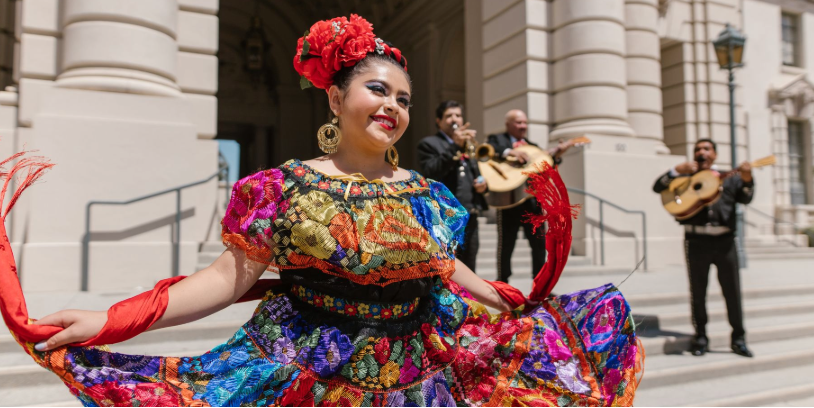
The Hispanic Heritage Month campaign fills stores with traditional products. Retailers connect with local customers through special offers and personalized service.
The National Hispanic Heritage Month portal highlights the cultural importance of this celebration in the USA. These weeks bring together Mexican, Caribbean, Central American, and South American cuisine.
Shoppers notice when a store’s interest is authentic. Retailers avoid superficial decorations and instead prefer to stock their shelves with the foods customers are most likely to buy.
Commercial success depends on this connection. Supermarkets that understand their customers’ identities adjust their entire inventory and maintain activity throughout the season.
Table of contents
When Does Hispanic Heritage Month Begin and End?
The celebration runs from September 15 through October 15. This unusual calendar is linked to the independence declarations of Latin American nations.
Costa Rica, Honduras, El Salvador, Nicaragua, and Guatemala celebrate their national holidays on the first day of the period. Mexico, Chile, and Belize follow shortly afterward.
Retail chains coordinate their promotions around these dates to offer products for each community. Everything begins in August with merchandise stocking.
Commercial activity is distributed evenly throughout the four weeks. Retailers prefer to maintain a continuous selection rather than concentrate everything into a single weekend.
Key Dates and Latin American Independence Days
National holidays bring themed displays and shelf promotions. Retailers take advantage of the occasion to highlight ingredients and brands from different regions.
There is no one-size-fits-all approach because each culture has its own culinary symbols. The Hispanic Heritage Month campaign is planned around specific commemorations:
- 09/15: Costa Rica, Honduras, El Salvador, Guatemala, and Nicaragua.
- 09/16: Mexico.
- 09/18: Chile.
- 09/21: Belize.
- 10/12: A day with various cultural meanings depending on the community.
Why Is Hispanic Heritage Month a Business Opportunity?
This occasion brings stores closer to customers who value their traditions and food. Supermarkets have an advantage because food plays a central role in every gathering.
Adding familiar and new products attracts people from different backgrounds. Retailers choose to showcase local brands and products created within the community.
Retailers know that decorations and isolated offers are not the most important elements. Instead, they prefer to listen to Hispanic communities across the country and reflect their usual preferences.
This builds trust and encourages customers to return. According to the National Archives, the celebration recognizes the history of people with roots in Mexico, Spain, the Caribbean, Central America, and South America.
Connecting with Hispanic Consumers, the Local Community, and Increasing Sales
The connection begins with understanding traditional ingredients and trusted brands. The product selection attracts regular customers as well as people interested in trying new flavors.
The Hispanic Heritage Month campaign becomes more effective when it features real people and avoids generic messages. In-store communication focuses on:
- Highlighting stories from employees, suppliers, and local customers.
- Promoting traditional recipes from different Latin American regions.
- Offering clear bilingual signage in the store’s main displays.
- Inviting small local businesses to participate in food tastings.
- Giving shelf visibility to brands with a verifiable origin.
Choose Products and Categories for the Hispanic Heritage Month Campaign
Much of the success of an inventory strategy depends on the merchandise selected. The product selection should reflect what people in the neighborhood actually buy rather than relying on generic lists of Latin foods.
A location with a Mexican customer base has different needs from one serving Dominican or Central American shoppers. Reviewing previous sales and speaking with suppliers helps clarify purchasing decisions.
Meat, produce, bakery items, frozen foods, and groceries fill the aisles. It is better to give space to staple ingredients rather than stock up on festive products.
Combining familiar flavors with new options catches people’s attention. This allows families to purchase everything they need for their gatherings during a single store visit.
Food, Beverages, Ingredients, Fresh Products, and Hispanic Brands
The foods selected reflect the culinary diversity of families in each market. Fruits, chiles, avocados, and herbs fill the aisles according to local preferences.
The Hispanic Heritage Month campaign loses credibility if products promoted on social media are missing from the shelves. Stores make sure their inventory covers the main sections:
- Plantains, yuca, tomatoes, onions, and limes commonly used in everyday cooking.
- Meat, seafood, and prepared cuts ready to cook.
- Tortillas, corn flour, rice, beans, sauces, and commonly used spices.
- Flavored waters, coffee, traditional soft drinks, and nonalcoholic options.
- Traditional bakery items, desserts, frozen foods, and brands with a clear origin.
Promotions for Hispanic Heritage Month
Effective offers provide value to shoppers instead of relying solely on eye-catching discounts. Bundled packages combine products needed to prepare a complete meal.
Placing ingredients for the same recipe together on shelves encourages customers to spend more. Volume incentives can be applied to high-turnover items such as rice, beans, and tortillas.
Private-label brands compete effectively by combining quality with low prices. Clear numbers and promotion dates help ensure that the commercial message reaches shoppers directly.
Keeping advertised merchandise in stock maintains the store’s credibility. Proper signs guide customers so they can find everything they need for their meals.
Discounts, Volume Offers, Themed Bundles, and Cross-Promotions
Discounts receive a better response when they match a real shopping occasion. Recipe-based bundles group the ingredients for a dish together, so customers do not have to search the entire store.
The Hispanic Heritage Month campaign gains impact by placing simple cooking instructions throughout the aisles. Volume offers and digital coupons help organize the displays:
- Ingredient bundles designed to prepare tacos, pupusas, arepas, or rice and beans.
- Discounts on large purchases of tortillas, grains, and canned products.
- Combos that include meat, marinades, sauces, and side dishes for dinner.
- Printed cooking instructions with direct discounts on the required ingredients.
Merchandising and In-Store Decorations
Presentation helps customers understand the merchandise and shop quickly. During these weeks, product placement should demonstrate respect for the traditions of each community.
Filling the store with flags or colors without a clear purpose can overwhelm the space. Stores prefer displays that combine ingredients with recipes and welcoming messages.
Bilingual signs make it easier to find products and understand special prices. This detail helps families who speak Spanish or English move through the store more comfortably.
The entrance, meat department, and produce section are among the most suitable areas for themed displays. Retail staff make sure shelves look clean and fully stocked throughout the month.
Cultural Displays, Bilingual Signage, and Attractive Shopping Spaces
Displays reflect cultural diversity through recipes and stories from different countries. It is preferable to represent each community separately rather than using a single image.
The Hispanic Heritage Month campaign should use elements that avoid confusion. A good display can be complemented by the following resources:
- Signs with clear product names in both languages.
- Organized spaces based on traditional dishes or specific food categories.
- Short cooking instructions placed next to the merchandise.
- Brief information about local brands and community suppliers.
- Simple visual materials that are easy to understand in the area.
Content Ideas for Social Media and Email
These platforms extend the campaign beyond the physical aisles. Content explains what to buy, how to prepare a specific dish, and the story behind an ingredient.
Showing step-by-step cooking instructions in short videos works very well. Posts become more engaging when they include experiences from staff members and local suppliers.
Digital newsletters bring together weekly coupons and shopping lists. Clear photos and direct product information are enough to encourage people to visit the store.
Content should be designed in advance to keep the days surrounding national holidays free. Consistent online activity keeps the audience engaged throughout the four weeks.
Recipes, Community Stories, Featured Products, and Participation Campaigns
Community participation drives engagement on supermarket and store social media. Sharing culinary memories and family recipes helps customers plan their weekly meals.
The Hispanic Heritage Month campaign stands out when customers share their experiences with the appropriate authorization. Social media content can focus on:
- Cooking videos featuring ingredients available on store shelves.
- Reviews and stories from staff members and suppliers connected to the local area.
- Quick polls about shoppers’ favorite dishes.
- Weekly messages featuring offers and shopping lists.
- Contests with simple rules and clear prizes for participants.