
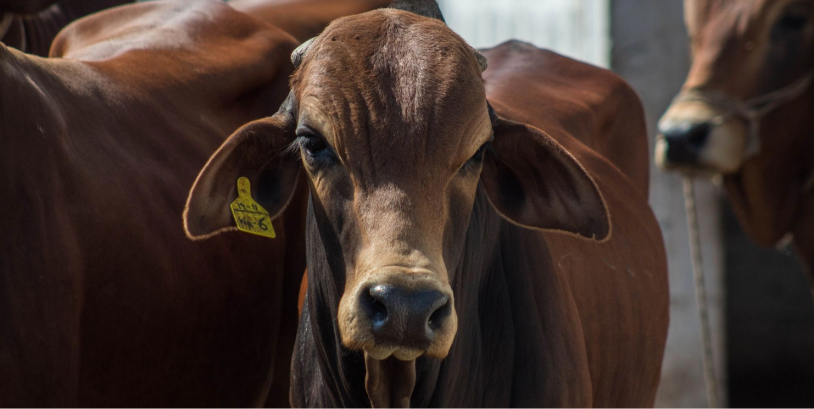
After more than a year of closure, the border is once again accepting cattle from Mexico. But what does this mean for beef prices today, your business, and your grocery budget?
In this article, we’ll explain in simple terms why the border was closed, how its reopening is progressing, and what official USDA and FAO data reveal.
You’ll also learn about projections for 2027 and some measures you can take to plan your purchases and pricing. This way, you’ll be able to make informed decisions based on clear, up-to-date information.
Table of contents
Why the Border Was Closed to Mexican Cattle
To understand what’s coming next, it’s important to remember what happened. Above all, the closure was not due to commercial reasons but to health concerns affecting a key supplier.
The New World Screwworm: The Pest Behind the Closure
The New World screwworm is a fly whose larvae feed on living flesh. They invade an animal’s wounds and, without treatment, can eventually kill it.
The border was closed to cattle coming from Mexico in November 2024 following a case in the southern part of the country. Although it reopened in February 2025, it was closed again in May.
From that point on, the pest continued moving north. In September 2026, according to KRWG, Agriculture Secretary Brooke Rollins reported 50 cases in the country.
How Much Cattle Stopped Coming In?
The suspension had a significant impact. As Oklahoma State University economist Derrell Peel explains in his publication, an average of 1.17 million head of cattle arrived annually between 2004 and 2023.
Additionally, nearly all of them were feeder calves, animals that finish growing in U.S. feedlots. In 2023, 98.7% of imports weighed less than 700 pounds.
On top of that, according to the USDA’s Economic Research Service, cattle inventories are at historic lows. With fewer animals available, beef prices have increased.
How the Gradual Reopening Works
The USDA decided to reopen the border in stages, one port at a time. This allows the agency to evaluate each step before expanding trade and pause the process if risks arise.
Douglas, Arizona, Opened First
The first port to reopen was Douglas, Arizona, which borders Sonora, on August 24, 2026. The USDA announced the decision a month earlier, subject to compliance with the joint action plan.
According to the agency, Sonora and Chihuahua are the lowest-risk Mexican states because they have strong inspection programs and are far from the south.
However, the reopening came with strict rules to protect U.S. livestock. According to the USDA and KRWG, the measures implemented by authorities include:
- Full inspections: Every animal undergoes a complete examination to rule out signs of the pest.
- Detection dogs: The USDA trained dogs to detect the New World screwworm.
- Sterile flies: Every week, 100 million are released in Texas and Mexico to stop the pest from reproducing.
- Immediate suspension: Reopening efforts are halted if audits identify increased risks in Sonora or Chihuahua.
Sterile flies, meanwhile, are insects that cannot reproduce. When they mate with wild flies, no new larvae are born. As a result, the pest population gradually declines.
Through these measures, the Department of Agriculture aims to resume trade without putting ranches at risk. It’s a delicate balance: a single nearby outbreak could bring everything to a halt.
Santa Teresa and the Next Steps
The second step came in September with the reopening of the Santa Teresa port in New Mexico. According to Rollins, 43% of Mexican cattle shipments pass through this crossing.
Despite this progress, the agricultural agency warns that the schedule depends on Mexico’s progress under the action plan. Columbus, New Mexico, is the next potential port to reopen.
What the Reopening Means for Mexican Cattle Ranchers
The reopening is just as important south of the border. For producers in northern Mexico, selling calves to the United States is an important source of income for their families.
A Season That Comes at the Right Time
The timing works in favor of cattle ranchers. Peel points out that 36% of annual imports crossed between September and December, when calves are typically moved north.
The expert estimated that Douglas would receive between 90,000 and 100,000 head during the last four months of the year. Santa Teresa and Columbus could receive an additional 125,000 and 175,000, respectively.
For ranchers in northern Mexico, this means regaining access to a market that had been closed for more than a year. Selling during the peak season also allows them to take advantage of higher cattle prices.
Challenges That Remain
The main challenge is animal health, which is why every shipment must comply with the joint action plan. After all, a single case near the border could put all trade at risk.
Rollins also clarified that although the pest is contained, it has not been eradicated. In other words, the risk remains, and authorities are closely monitoring the situation.
International Beef Prices
The reopening is taking place in an expensive global market. In fact, beef is traded across continents, so developments in Brazil and Australia also affect the United States.
What the FAO Index Shows
The United Nations food agency, known as the FAO, publishes a monthly index of international meat prices. In September 2026, it reached 127.9 points.
The results show a 1.1% decline compared with August, bringing the index back to the level recorded a year earlier. This decrease was driven by chicken and pork, thanks to abundant supplies from exporting countries.
It’s worth noting that this index measures export prices, not what you pay at the grocery store. Even so, it reflects the trends facing importers, retailers, and distributors.
The United States: A Buyer That Moves the Market
With limited domestic cattle supplies, the country imports more beef. In September, the cost of Brazilian beef increased due to U.S. demand following a tariff change, according to the FAO.
As of September 1, the United States temporarily expanded a quota for lean beef trimmings used to make ground beef, allowing more imports at lower tariff rates.
Meanwhile, Australian export prices declined due to global competition. As a result, every decision made by a major buyer is reflected in beef prices today.
Beef Prices Today in the United States: What’s Changing?
After examining these factors, one big question remains: Will the return of Mexican cattle make beef cheaper? The short answer is that it will help, but not immediately.
Why Prices Won’t Drop Right Away
Mexican calves don’t go directly to slaughterhouses. First, they spend several months in feedlots, which means much of that beef won’t reach the market until 2027.
Another reason is that Peel warns it will take several weeks for ports to return to full capacity. Therefore, current volumes remain small compared with the enormous U.S. market.
On top of that, raising and finishing cattle is still expensive. Every pound of beef that reaches your grocery store reflects the costs of feed, transportation, and labor.
What Experts Are Projecting
Official and academic figures help measure the actual impact. Over the coming months, these are the latest market projections you should follow closely:
- 2026 imports: Peel estimates that approximately 150,000 head of cattle will arrive from Mexico before the end of the year, with a potential high of nearly 250,000.
- 2026 consumer beef prices: The Department of Agriculture projects a 9.4% increase in beef prices, more than three times the projected increase for food overall.
- 2027 consumer beef prices: The same agency estimates another 4.7% increase under its baseline scenario.
In practical terms, Mexican cattle will ease some of the pressure, but they won’t change the overall picture. Therefore, beef prices today are expected to remain high in 2027, although increases should be slower.
What to Do If You Sell or Buy Beef
In a constantly changing market, planning makes all the difference. Both retailers and families benefit from following official data and adjusting their purchases carefully.
Recommendations for Grocery Stores and Butcher Shops
Do you own a supermarket or butcher shop? Although the reopening won’t change your costs overnight, it’s essential to prepare. These measures can help:
- Follow USDA reports: The Agricultural Marketing Service publishes market reports on livestock and meat.
- Check the FAO index every month: It shows you where international prices are heading.
- Diversify suppliers: Compare domestic and imported beef based on price and quality.
- Promote budget-friendly cuts: Chuck and ground beef help maintain customer traffic.
- Adjust prices based on data: Avoid sudden changes that could drive customers away.
Also, communicate clearly. Explaining why beef remains expensive builds trust and helps customers choose other options without feeling they’re spending more than necessary.
Finally, review your inventory every week. Remember: buying too much in an expensive market ties up your money, while buying too little leaves shelves empty and customers dissatisfied.
Tips for Consumers
For families, the key is comparing prices per pound. In September 2026, 100% ground beef averaged $6.79 per pound, according to a BLS report.
By comparison, according to FRED, sirloin cost $14.11 per pound. Alternating more expensive cuts with ground beef, pork, or chicken is a good way to balance your weekly grocery budget.
Similarly, freezing portions when meat is on sale is a practical way to save money. FoodSafety.gov indicates that raw ground beef can be stored frozen for 3 to 4 months.
An Open Border, but Relief Will Take Time
Without a doubt, the return of Mexican cattle is good news, even if its effects will take time to materialize. As long as cattle supplies remain limited, beef prices today will require careful planning.
Remember to check official reports every month and adjust your purchases step by step. If you want to keep up with this and other food industry news, visit Abasto.