
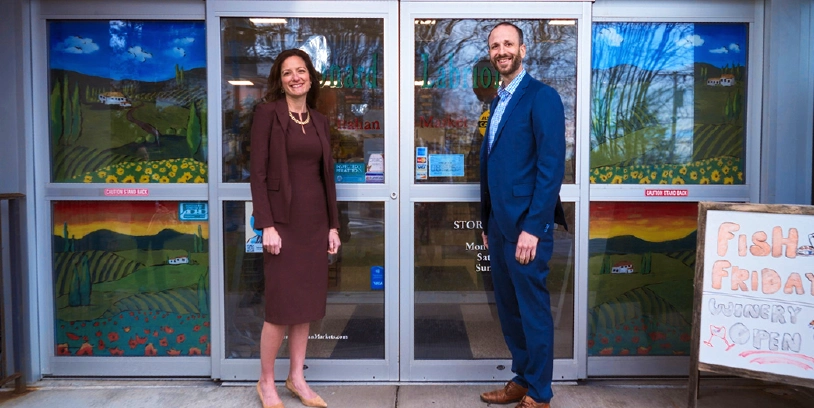
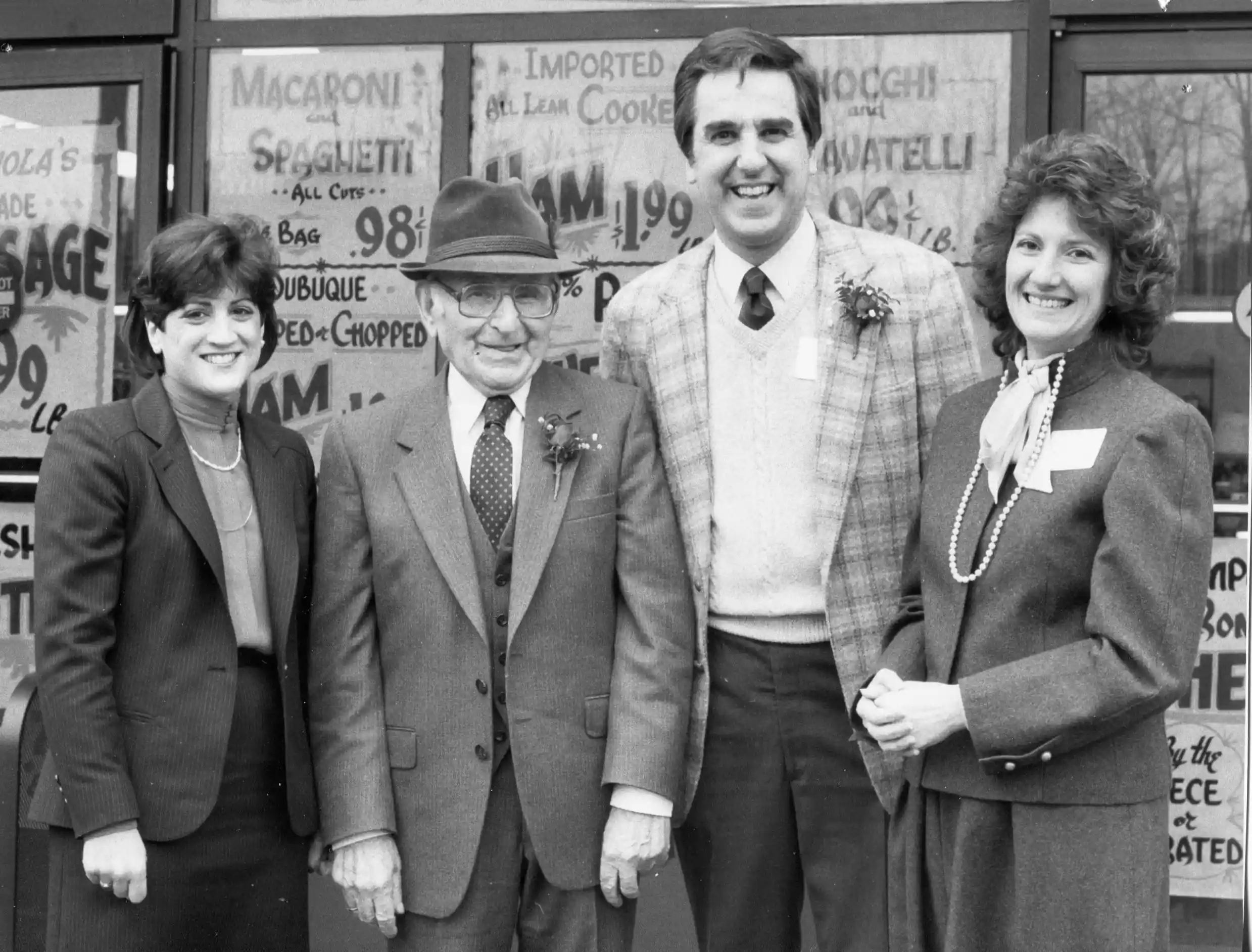
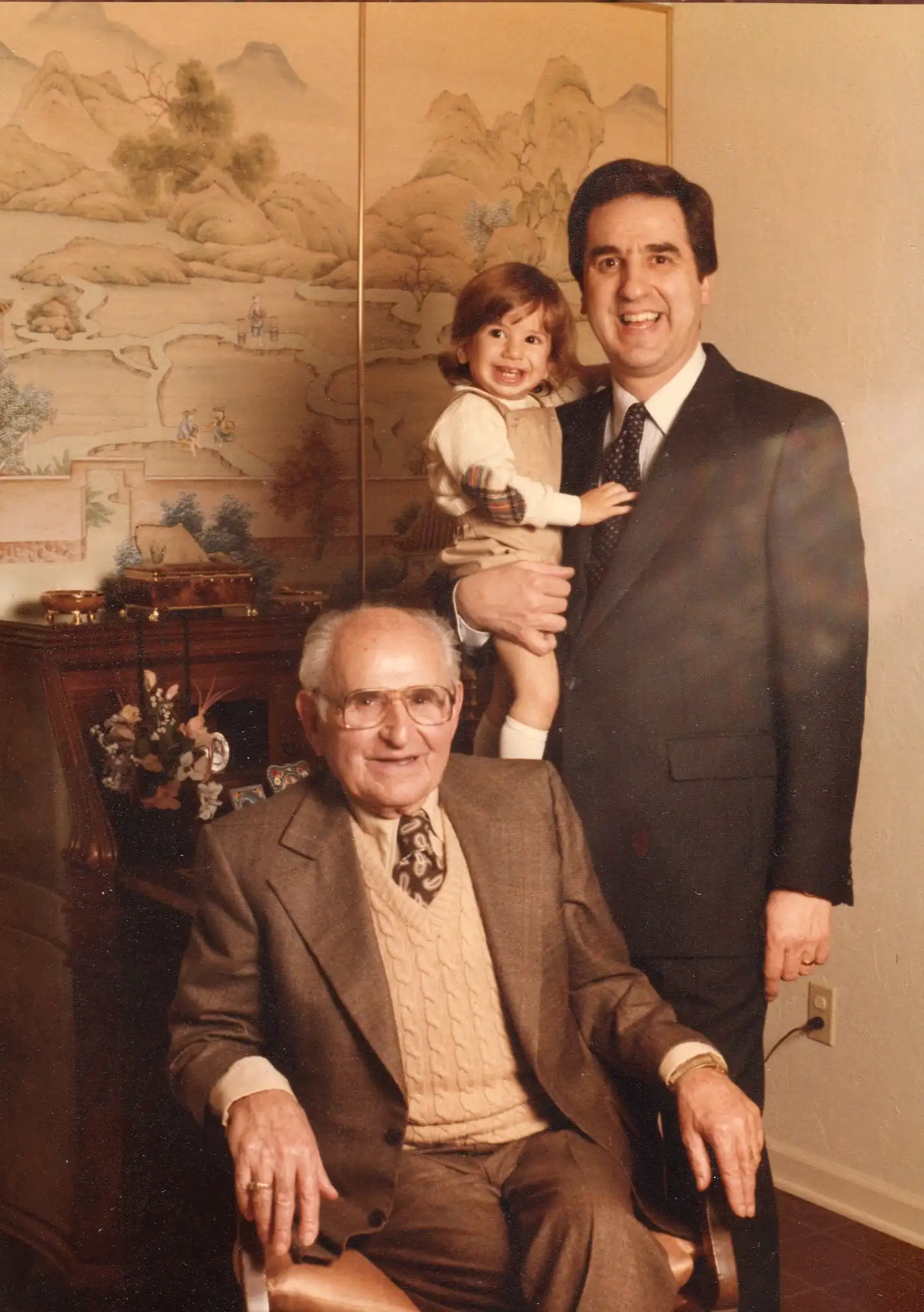
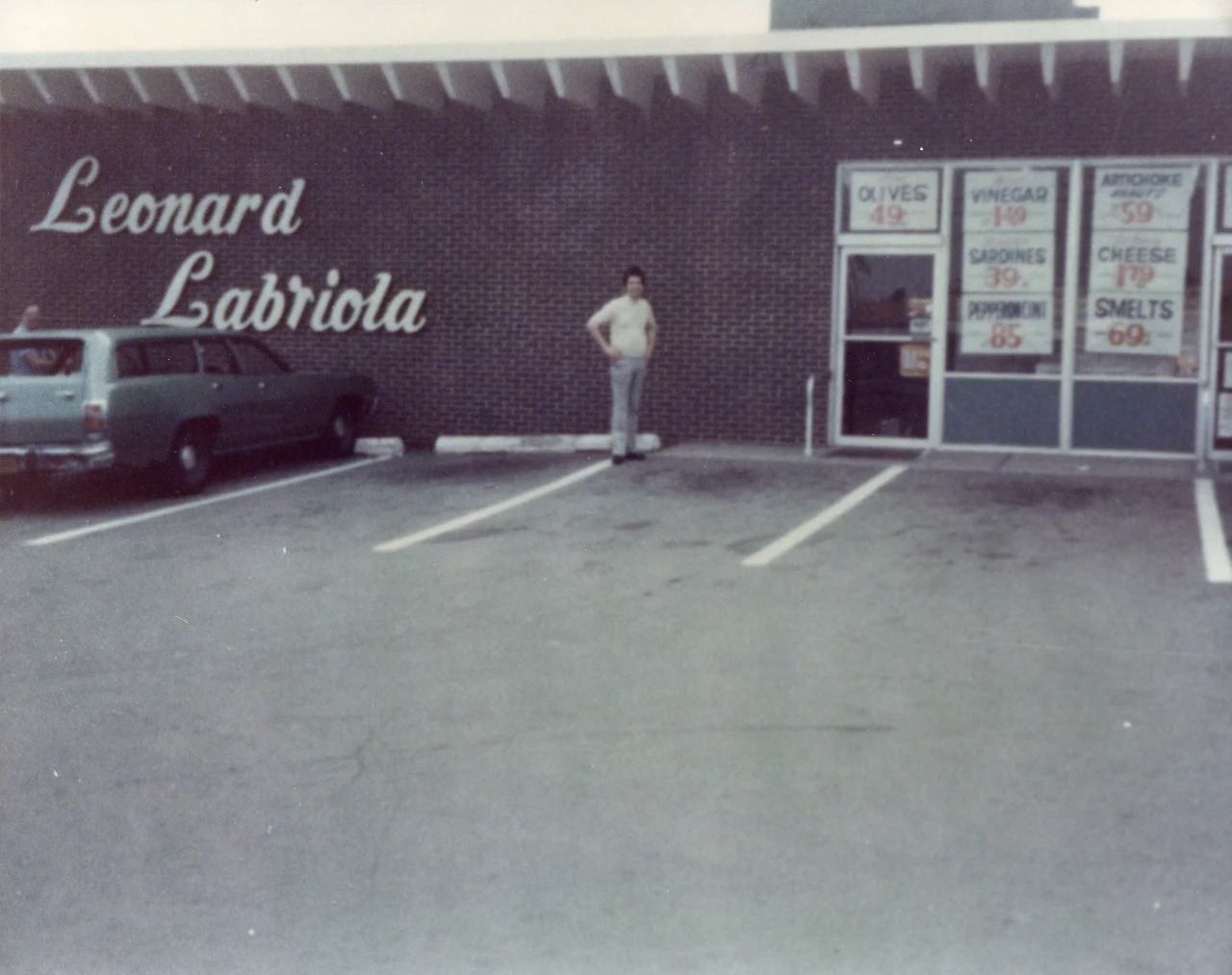
Operating a family-run independent grocery store for nearly a century is a milestone few achieve. Since 1929, Pittsburgh-based Labriola Italian Markets has thrived against big-box competition by anchoring its operations in a simple, foundational business philosophy: “Where the Best Costs Less.”
“Our core DNA has always been rooted in quality and service,” says Leonard Labriola, Owner of Labriola Italian Markets. “The philosophy has remained simple: sell the best products available and back them with strong, personal customer service. My dad’s parents often said, ‘buy the best and you have less complaints.’ That idea still guides how we operate today.”
For independent retailers looking to survive and scale across multiple locations, Labriola’s operational playbook offers critical strategic takeaways for today’s hyper-competitive market.
Decentralized Family Oversight and Vendor Agility
As Labriola’s grew from a single storefront to a multi-location operation, consistency was maintained by placing family members directly into day-to-day management roles at each store. This layout kept inventory decisions, product quality control, and store standards tightly aligned.
Crucially, their supply chain strategy relies on bypassing large, rigid wholesalers in favor of direct relationships with smaller regional vendors, local producers, and direct importers. Maintaining constant communication throughout the week allows them to remain agile, quickly pivot inventory to meet changing demands, and guarantee product freshness that mass discounters simply cannot replicate.
Related Article: New Study Highlights Independent Grocers Value Strategies
Driving Efficiency Through Smart Automation
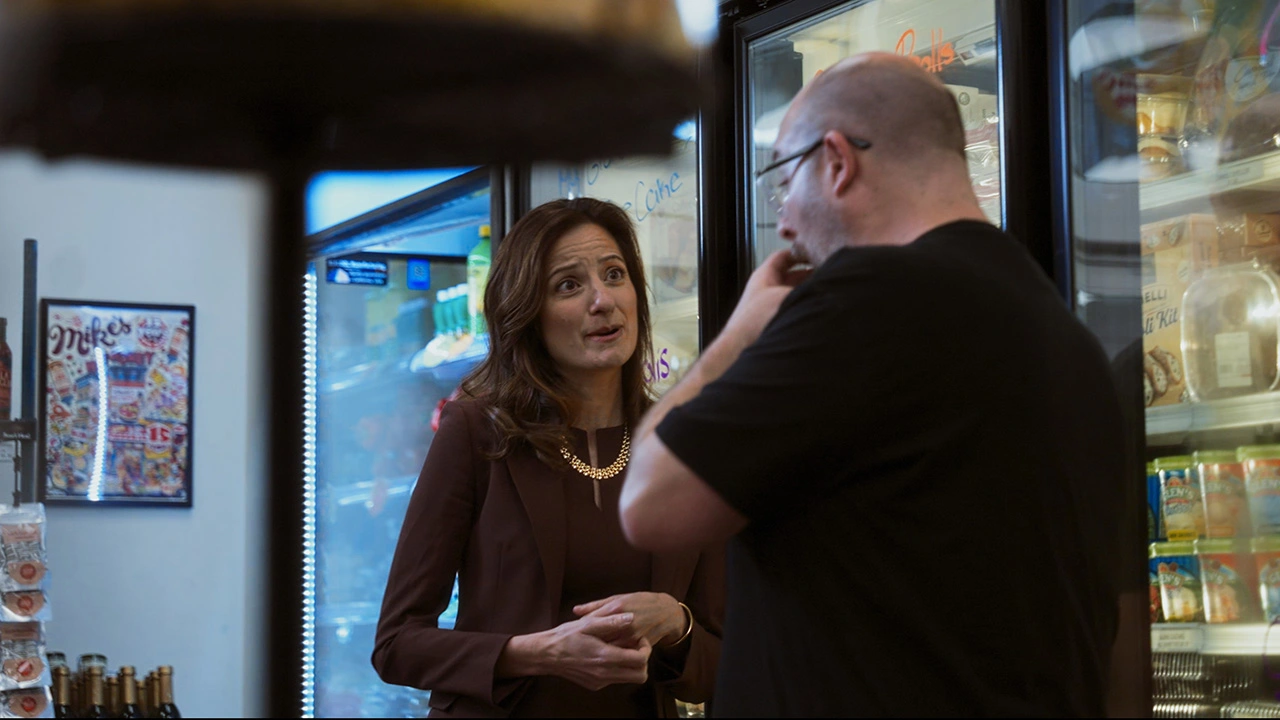
Operational modernization is often a tough sell for legacy independent grocers, but a shift during the pandemic proved that backend tech is vital for frontline survival. Spearheaded by Leanne Labriola, Senior Vice President and Board Member, the company initiated a full infrastructure overhaul to support employees and safeguard efficiency.
The most transformational upgrade was transitioning to Markt POS, introducing item scanning, structured product codes, and automated inventory categories.
“Before the upgrade, many of our employees had to memorize hundreds of product prices, and training new staff took a long time,” notes Leonard Labriola. “The new system improved accuracy, reduced pricing errors, and significantly sped up checkout. It modernized the business in a way that improved both efficiency and the customer experience, while still allowing us to maintain personal, hands-on service.”

Winning the High-Margin Prepared Food Segment
With “grocerants” trending heavily in 2026, independent grocers are searching for ways to capture the consumer’s food dollar. Rather than building a massive, unmanageable menu to compete directly with full-service restaurants, Labriola’s strategy relies on a tightly focused, high-turnover menu of core scratch-made comfort foods.
Keeping the menu small ensures absolute freshness, eliminates waste, and maximizes labor efficiency in the kitchen. This category has become a major destination driver, capturing high-margin catering business during holiday and graduation seasons.
The Independent Blueprint: Curation Over Volume
For independent grocers struggling to survive against mass discounters, Leonard Labriola offers a single, definitive piece of advice: Focus on curation, deep product knowledge, and community trust.
“Independent grocers succeed when they understand exactly what they are selling, where it comes from, and what makes it different,” Leonard Labriola stresses. When an independent retailer meticulously curates their shelves, customers stop viewing shopping as a chore and start viewing the grocer as a trusted partner. “One customer told us that shopping at our store feels like the products have already been hand-selected for her. That trust is what keeps independent businesses strong.”