
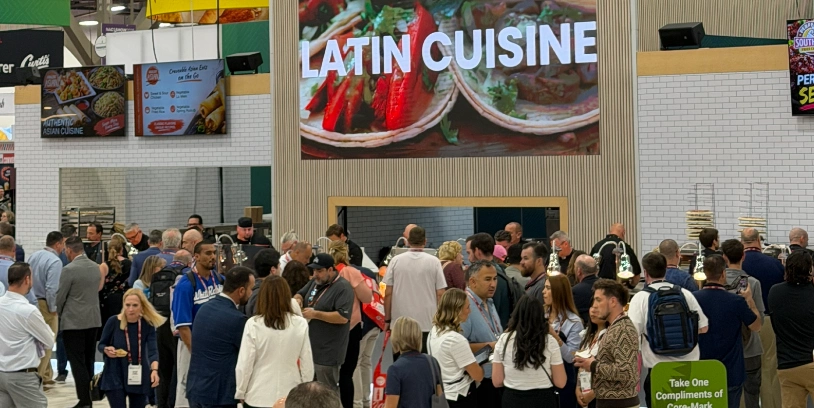
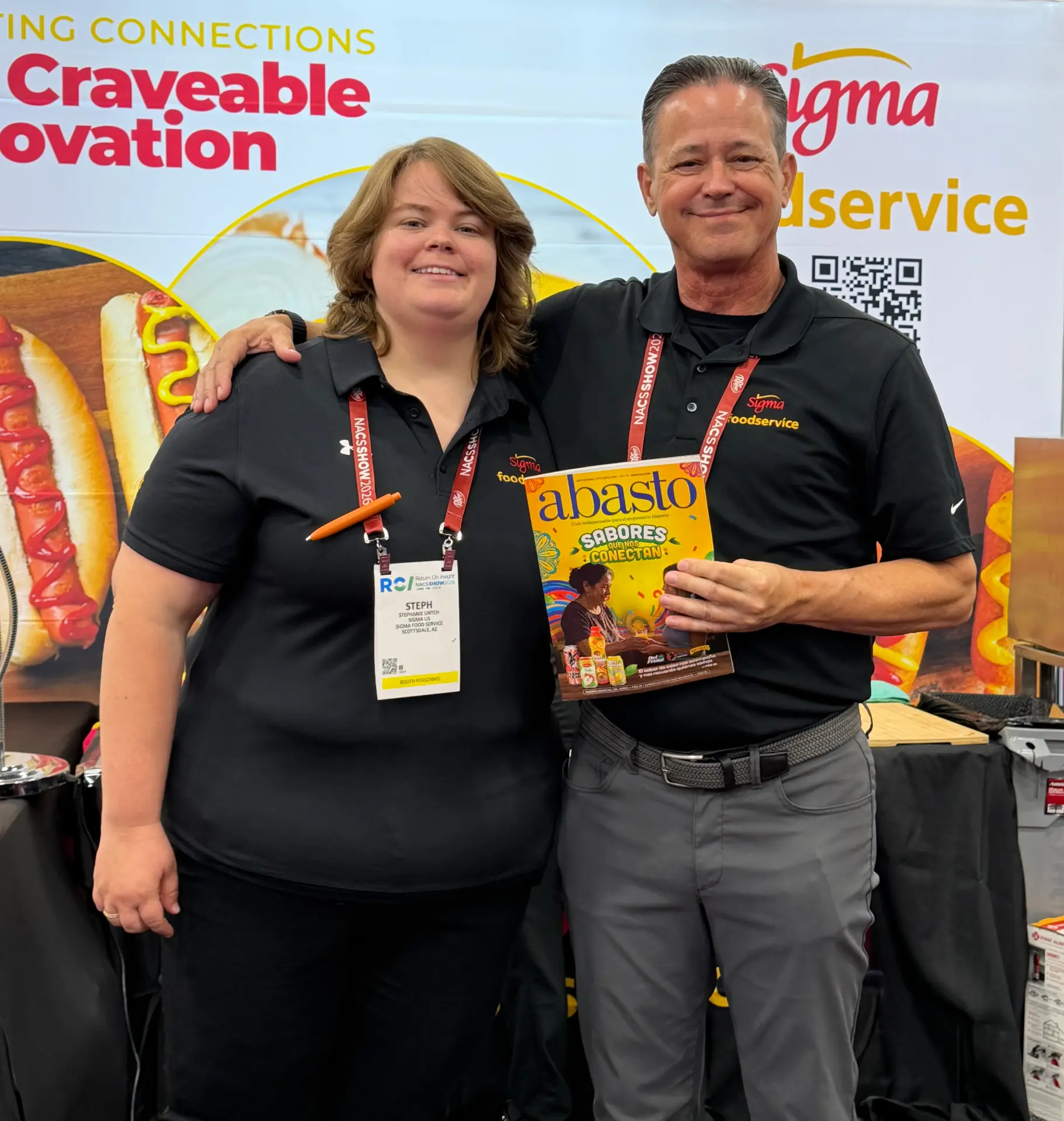
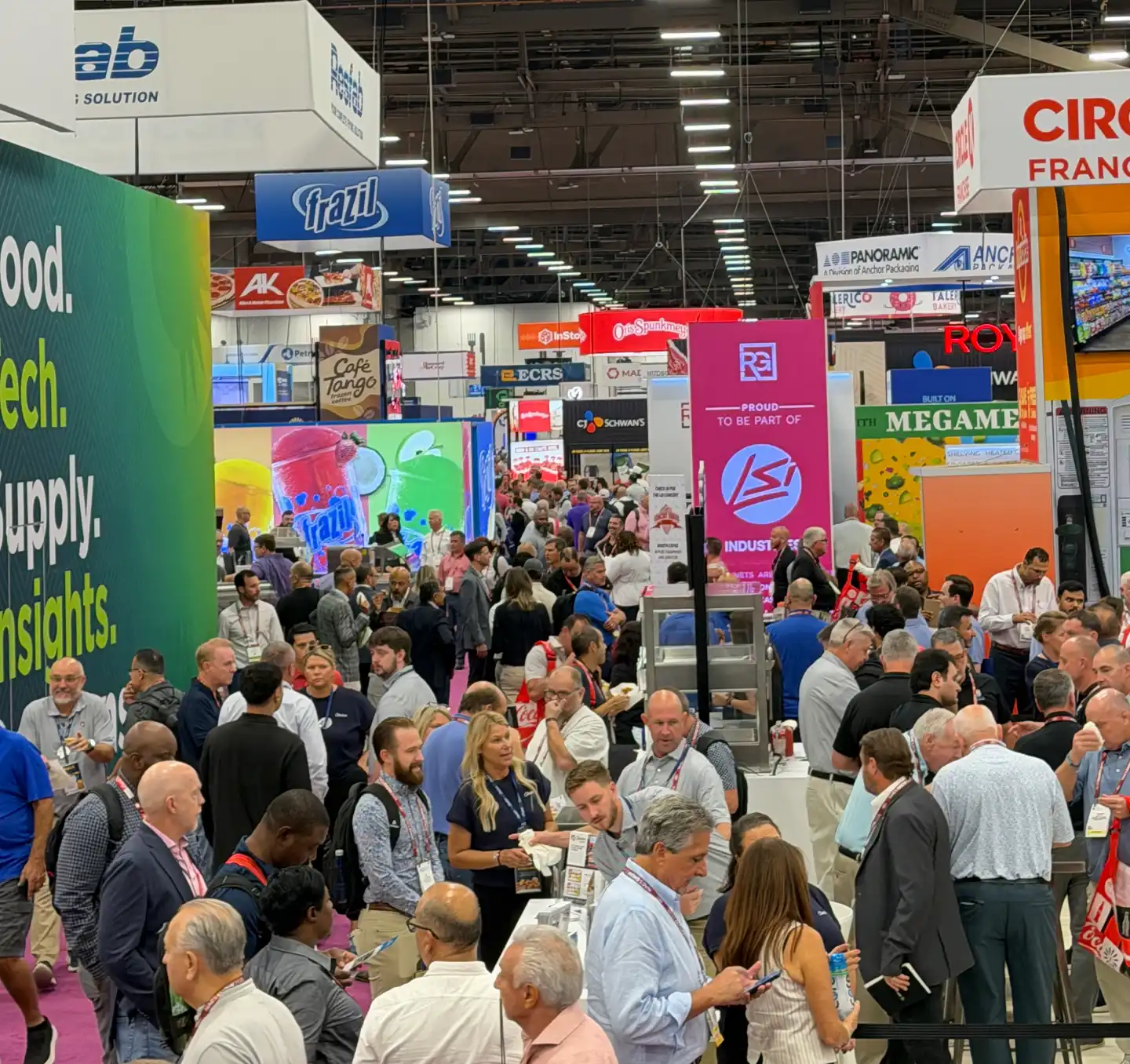
More than 1,200 exhibitors filled the Las Vegas Convention Center Oct. 6-9 for the NACS Show 2026. The event, the convenience channel’s biggest of the year, carried the theme “ROI: Return on Insight.”
For Hispanic grocery retailers, however, the most useful insight was how much the c-store playbook now looks like their own. Today, convenience operators are chasing small baskets, quick trips, and fresh food in tight spaces.
Meanwhile, bodegas, tiendas and neighborhood supermercados have run that model for decades.
Three trends ran the show floor. A fourth, artificial intelligence, stood out mostly for how little attention it got.
Protein is Everywhere at the NACS Show 2026
Protein was the loudest message at the show, with protein claims in nearly every third booth. New items included Buffalo Chicken Tornados CRNCH sticks from Ruiz and protein macaroni and cheese from Legendary.
Other launches included soft protein pretzels from J&J Snack Foods, protein rice crisps from Quaker and protein cookies from Jif.
Even Kellanova/Mars’ Cheez-It line has a version with 7 grams per serving, more than double the original. The demand is real, according to International Food Information Council data that speakers cited at the show.
That research found more than one-third of consumers ate more protein in the past year.
For Hispanic retailers, the lesson is that many core items already deliver.
Chicharrones, carne seca, queso, beans, eggs, and meat-forward prepared foods are protein products, yet stores rarely market them that way. So, call out protein on shelf tags, signs, and social posts.
Next, build a protein set near the register that mixes mainstream launches with authentic favorites. After all, a shopper looking for protein is not necessarily looking for a bar. Still, watch for saturation.
At the conference, Culinary Tides President Suzy Badaracco urged retailers to weigh a trend’s underlying forces before betting on it.
Protein has staying power. Protein gummies, on the other hand, may not.
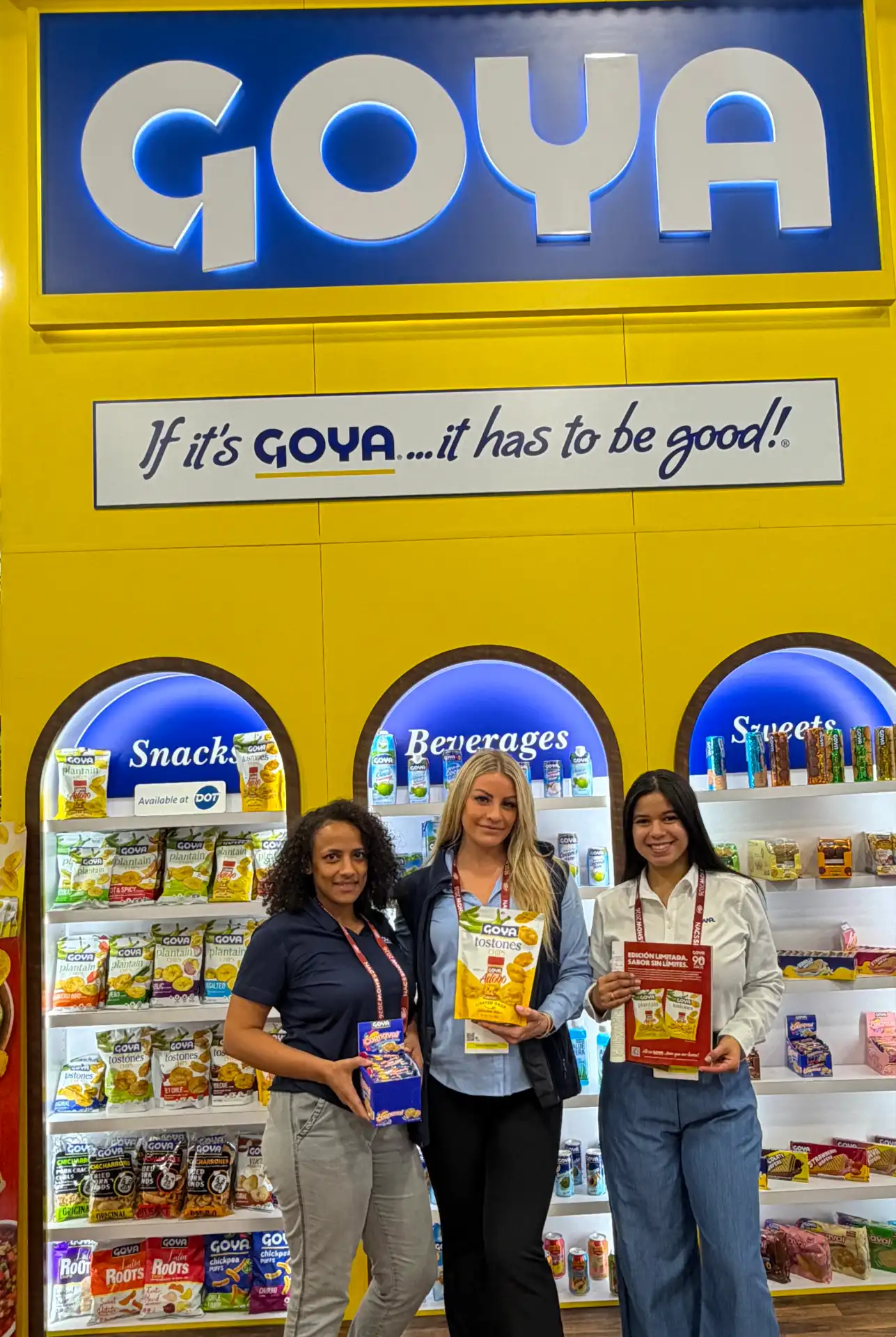
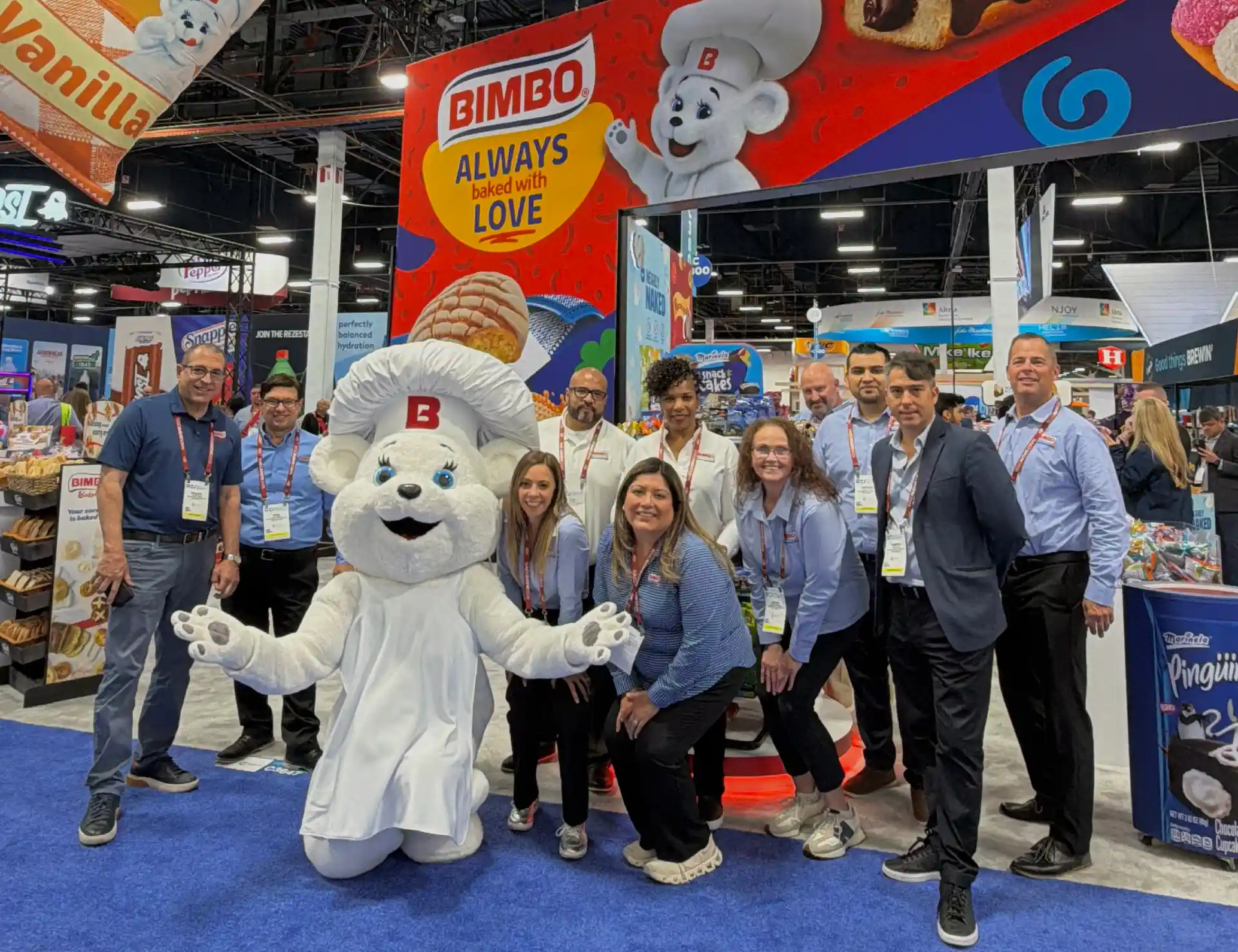
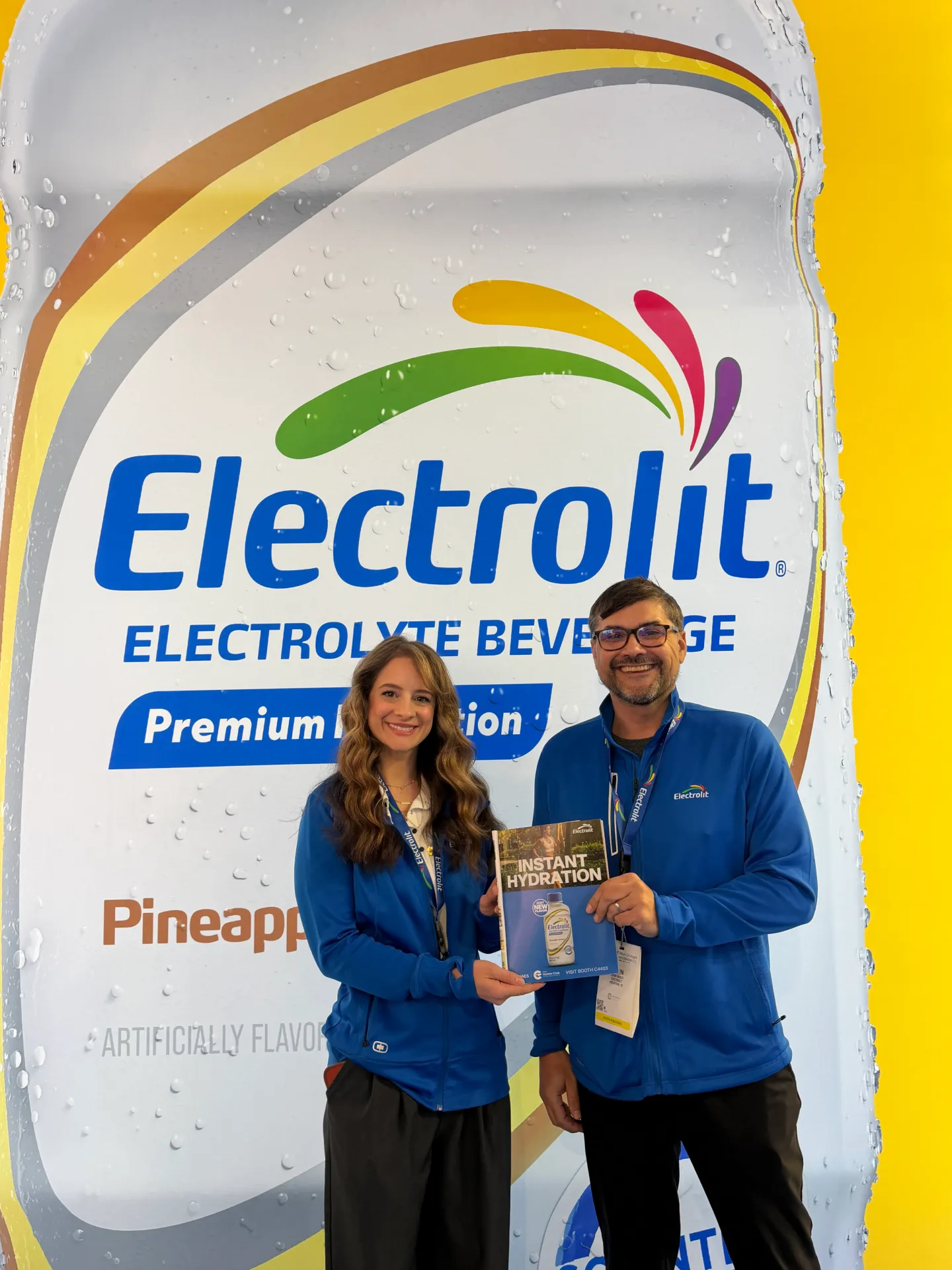
Energy Drinks Keep Multiplying
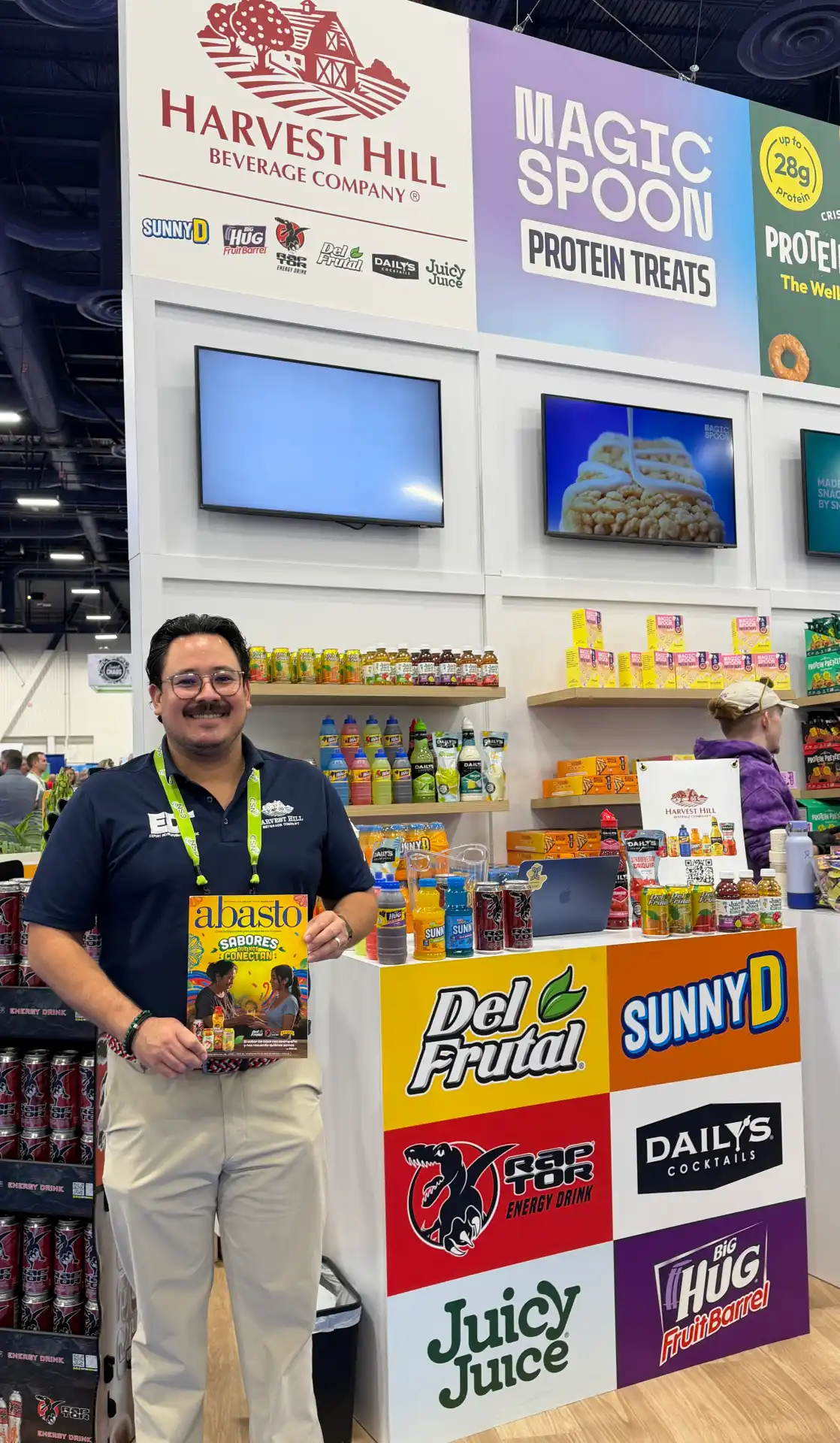
More than 35 energy drink suppliers were on the floor, including at least seven in the new exhibitor area alone. Many now pair caffeine with hydration, protein, or fiber.
For example, C4 showed a caffeine-free hydration mix next to its high-caffeine lineup. Similarly, Gorilla showed Rvivl, a hydration drink with protein and fiber.
With so many suppliers, cooler space is a buyer’s market, so Hispanic retailers should use their leverage. Specifically, ask for slotting support, free fills, and promotional dollars.
Then, keep the set to proven sellers plus one or two rotating newcomers, and track sales every week.
Finally, look for brands with Latin flavor profiles such as tamarindo, mango-chile, and guava. Those flavors can set the cooler apart from nearby retailers.
Foodservice Through Licensing
Foodservice accounts for 28% of c-store inside sales, but growth is slowing. In fact, foodservice sales rose just 0.3% in the first half of the year.
A NACS research presenter told small operators to “hit the brakes” on new made-to-order programs unless the opportunity is undeniable. For many operators, therefore, the answer is licensing.
For example, Krispy Krunchy Chicken’s low-barrier, turnkey model helps independent Hispanic c-store and bodega owners compete with major corporate chains.
Likewise, McLane promoted turnkey programs including HiBird chicken and Prendisimo pizza.
Meanwhile, Leo’s will supply branded foodservice to Family Express stores. These licensed programs come with recipes, equipment specs, training, and marketing, which cut both labor and risk.
Hispanic retailers have an edge here because many already run taquerías, panaderías, or hot tables that customers seek out.
Indeed, Intouch Insight found 58% of consumers would pick a brand over a closer store for an exclusive food item.
Retailers can license proven programs to fill gaps such as pizza or chicken while protecting signature items only they offer. In addition, some may even find chances to license their own recipes to other stores.
Related Article: GLP-1 Users Tailor Their Grocery Baskets Toward Protein, Portions
AI Stays on the Sidelines
For an industry that talks constantly about data, AI got surprisingly modest attention at the NACS Show 2026.
A few education sessions covered it, including “AI Hype Versus Retail Reality” and one on buying AI without overspending.
On the expo floor, meanwhile, AI showed up mostly as a feature rather than as a headline. It typically sat inside existing pricing, loyalty, and back-office systems.
Still, NACS’ new Advancing Convenience 2030 roadmap calls for more use of data and AI, so expect that to change.
For now, the restraint is a useful signal for independents. After all, retailers get value from technology by solving basic problems.
Texas Born, for example, automated inventory scanning and fuel-price updates. As a result, managers who spent four to five hours in back offices could work the floor instead.
Hispanic retailers should take the same approach and start with clean scan data, automated ordering and simple demand forecasting.
That groundwork should come before buying anything with AI on the label.
The Bottom Line from the NACS Show 2026
The convenience channel is moving toward fresher food and functional snacks and drinks, with tighter operations behind them.
Hispanic retailers already speak that language. Now, the opportunity is to market it more clearly.