
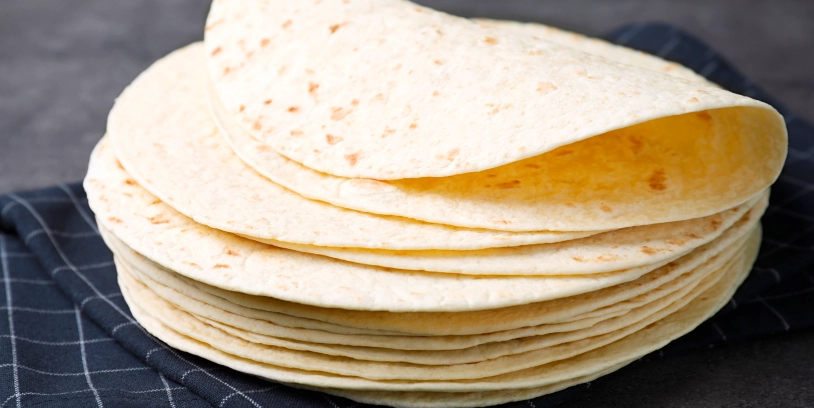
California has begun enforcing a statewide mandate requiring folic acid fortification of corn masa flour and wet corn masa products sold within its borders, a move aimed at reducing preventable birth defects.
The requirement took effect Jan. 1, 2026, under Assembly Bill 1830. The law compels manufacturers to add folic acid to qualifying products distributed in the state. Gov. Gavin Newsom signed the legislation on Sept. 28, 2024, after sustained advocacy from medical and public health organizations.
Supporters say the measure addresses a long-standing gap in national nutrition standards and aligns food policy with the eating patterns of millions of consumers.
Addressing a Gap in Federal Nutrition Policy
Federal regulators mandated folic acid fortification for enriched cereal grain products in 1998. That rule applied to wheat-based foods, including bread, pasta, and rice. However, it excluded corn masa flour and wet corn masa products.
As a result, communities that rely heavily on corn-based staples often consume less folic acid during critical pre-pregnancy periods. Medical research has repeatedly linked low folic acid intake to higher rates of neural tube defects, including spina bifida and anencephaly.
Health experts emphasize that folic acid fortification through staple foods remains the most reliable prevention strategy. Many pregnancies occur unintentionally, limiting the effectiveness of vitamin supplementation alone.
By extending fortification requirements to corn-based products, the law targets a structural nutritional gap rather than individual behavior.
Fortification Standards Now in Effect
Beginning Jan. 1, 2026, corn masa flour manufactured, sold, delivered, distributed, held, or used as an ingredient in California must contain 0.7 milligrams of folic acid per pound of flour.
Wet corn masa products may contain folic acid at a level of 0.4 milligrams per pound of finished product. The statute allows fortification at that level but does not require higher concentrations.
State lawmakers structured the standards to align with established public health guidance while allowing manufacturers flexibility in formulation.
Labeling Rules Accompany Folic Acid Fortification
The law also establishes precise labeling requirements tied to folic acid fortification.
Manufacturers must declare folic acid on nutrition labels in compliance with federal regulations. In addition, product packaging must indicate whether the food contains corn masa flour or was produced using a wet corn masa manufacturing process.
These provisions aim to ensure transparency for consumers while preserving consistency with existing labeling frameworks.
Related Article: Challenges to Increase the Supply of Tortillas Fortified with Folic Acid
Exemptions for Small Producers and Retailers
AB 1830 includes exemptions designed to account for the diversity of food businesses operating in the state.
Cottage food operations and certain food facilities may manufacture or sell corn masa flour that does not meet fortification standards. Grocery stores may also sell non-fortified products, provided they simultaneously offer fortified alternatives that comply with the law.
Snack foods fall outside the statute’s scope.
Lawmakers said these exemptions preserve consumer choice and operational flexibility while expanding access to fortified staples.
Health Equity Central to the Law
Assemblyman Dr. Joaquín Arambula, who authored the bill, framed folic acid fortification as a health equity measure grounded in public health data.
When Newsom signed the legislation, Arambula said the law addresses disparities that place some communities at higher risk for preventable birth defects. He emphasized that culturally relevant food-based interventions play a critical role in improving maternal and infant health outcomes.
Studies show Latino communities experience higher rates of neural tube defects, a trend researchers partially attribute to lower folic acid intake from commonly consumed foods.
Backing From Medical and Advocacy Groups
The American College of Obstetricians and Gynecologists District IX and the March of Dimes sponsored the legislation. Both organizations have long supported expanding folic acid fortification beyond wheat-based products.
Arambula also credited state agencies, nonprofit organizations, and health professionals for supporting the bill throughout the legislative process.
Implementation Now Underway
With the law now in effect, manufacturers distributing corn masa flour in California must comply with fortification and labeling requirements. Retailers must ensure fortified options remain available when selling non-fortified products.
State regulators will oversee compliance under existing food safety and labeling enforcement frameworks.
The folic acid fortification tortilla flour mandate represents a significant regulatory change in California’s food system, designed to improve maternal nutrition and reduce preventable birth defects by standardizing fortification of widely consumed products.