
U.S. Customs and Border Protection open a new digital IEEPA Tariff Refund Portal next week for food importers seeking refunds, offering the industry its first concrete pathway to recover duties invalidated by the Supreme Court earlier this year.
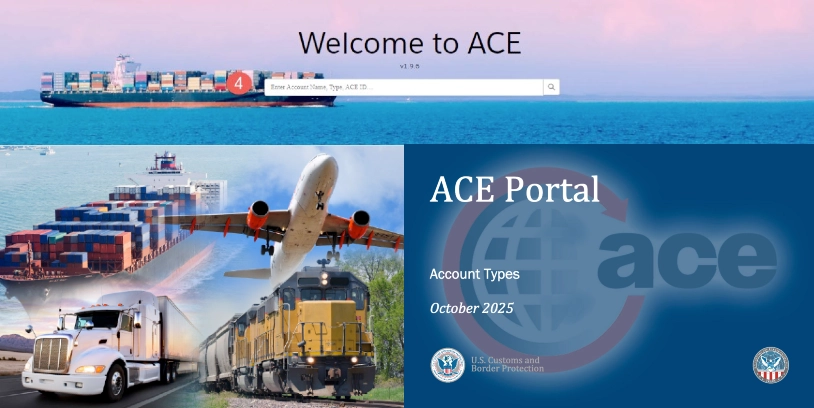
The agency confirmed that Phase 1 of its new Consolidated Administration and Processing of Entries tool — known as CAPE — goes live April 20 inside CBP’s Automated Commercial Environment (ACE) Secure Data Portal.
The launch follows the Supreme Court’s Feb. 20 ruling striking down tariffs imposed under the International Emergency Economic Powers Act (IEEPA).
For fresh produce importers and food retailers that absorbed those costs at the border, the clock is now ticking.
What the CAPE Portal Does
CAPE gives importers and their customs brokers an electronic channel to submit IEEPA tariff refund claims in bulk, rather than chasing reimbursements entry by entry.
Once a broker or Importer of Record files a CAPE Declaration through the ACE portal, CBP takes over. The agency removes the IEEPA Harmonized Tariff Schedule classification, recalculates duties without the invalidated measures, updates the entry record, and then liquidates or reliquidates accordingly.
Critically, CBP consolidates all refunds — including accrued interest — by importer or designated party, then pays them out electronically. That means faster, cleaner payments compared to traditional per-entry processing.
Phase 1 Scope: Who Qualifies Now
Not every entry qualifies on day one. Phase 1 covers only certain unliquidated entries and entries within 80 days of liquidation.
CBP plans to expand CAPE’s functionality through additional phases, addressing more complex scenarios as the rollout progresses. The International Fresh Produce Association (IFPA), which distributed the agency’s guidance to members, confirmed it will track each phase closely and push updates to the trade community as eligibility widens.
Related Article: Tariffs Drive Supply Chain Disruption for 86% of Industry Leaders
What Importers Must Do Before April 20
Time is short, and preparation matters. To submit a valid IEEPA tariff refund claim through CAPE, importers and brokers must meet three requirements before the portal opens:
First, they need an active ACE Secure Data Portal account. Second, they must link a U.S. bank account to that account. Third, they must enroll in CBP’s Automated Clearinghouse (ACH) Refunds program, which the agency requires for all electronic duty refunds.
CBP flagged a significant concern: many affected companies have not yet enrolled in ACH refunds. That gap could delay payments even for importers who file CAPE Declarations promptly. Industry stakeholders should treat ACH enrollment as an immediate priority — not an afterthought.
Why This Matters for Food Retail
The fresh produce and food import sectors absorbed substantial costs under IEEPA tariffs before the Supreme Court invalidated them.
For retailers and distributors that source internationally, recovering those duties could meaningfully improve margins on affected product categories.
Moreover, the CAPE portal sets a precedent for how CBP handles court-ordered tariff reversals at scale — a digital, consolidated model that the agency says it will continue to refine.
What Comes Next
CBP will continue to issue updates through its Cargo Systems Messaging Service (CSMS) as new CAPE phases are deployed. Importers with questions on enrollment or the filing process can access CBP’s ACH Refund Enrollment overview, its ACE Portal FAQs, and official training guides on the agency’s website.
IFPA members with additional questions may contact the association directly at USGR@freshproduce.com.
With the April 20 launch days away, food importers that move fast on ACH enrollment stand the best chance of receiving their IEEPA tariff refunds without unnecessary delays.