
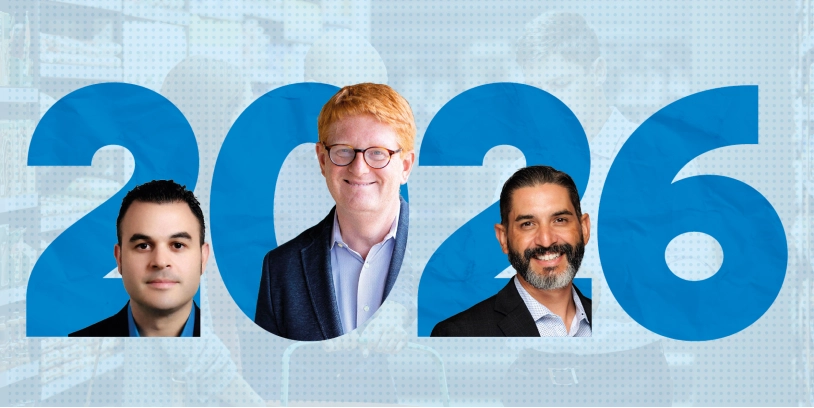
The food and beverage industry navigated a tumultuous 2026 marked by policy shifts and price spikes, including rising fuel and fertilizer costs. Three industry experts consulted by Abasto Media said immigration, tariffs, and food safety concerns affected supermarket operations and shaped the Hispanic community’s response.
DAVID HINOJOSA, CEO OF HERITAGE GROCERS GROUP
1. What was the biggest challenge in 2026, and how did you adapt?
Balancing consumer budget pressure with the need to improve business fundamentals. Our customers are value-conscious, so we couldn’t manage inflation or operational pressures simply by raising prices.
We focused on precise pricing, more effective promotions, labor and shrink discipline, better inventory and stock execution, and streamlined operations.
Protecting value means giving customers the confidence to feed their families, helping them find the products that matter to them, and assuring them that we will consistently deliver value.

2. What was the biggest opportunity?
Getting closer to the customer and elevating category execution. Fresh produce departments are fundamental: fresh fruits and vegetables, meats, bakery, and prepared foods drive trip frequency, trust, and a deep connection with our communities. We also saw strong momentum in digital engagement and loyalty program participation. The biggest opportunity is delivering outstanding fresh foods and a culturally relevant assortment in-store, backed by improved digital tools, personalization, and clear value communication.
3. What change or event will have the greatest impact?
A highly value-conscious Hispanic consumer who is increasingly connected digitally. Retailers must compete on price, quality, cultural relevance, and convenience. At the same time, shifting economic conditions and public policy changes create additional pressure on household budgets and shopping habits. Winners will be those who understand their communities at a hyper-local level while building the technology, data capabilities, and operational discipline modern retailers require.
Related Article: What’s Next? Key Industry Leaders Share Their 2026 Vision
JOHN ROSS, PRESIDENT AND CEO OF THE INDEPENDENT GROCERS ALLIANCE (IGA)

1. What was the biggest challenge in 2026, and how did you adapt?
It’s tough. A confluence of issues is making things increasingly difficult for consumers, driven by policies coming out of Washington on topics ranging from immigration to the SNAP program and tariffs.
Everything is compounding to worsen the situation for consumers. Low- and middle-income families are feeling more pressure, and relief is nowhere in sight. Add to that an unrelenting global environment, with wars in two regions that drive up the cost of fertilizer and other agricultural inputs, ultimately raising the price of the final product on the shelf.
Inflation is truly catastrophic, and consumers desperately need more value. We must ensure we have the right price on the shelf and leverage our collective scale to capture major CPG manufacturers’ attention. This isn’t optional: major brands must invest in our shoppers.
Our customers deserve the same deals, savings, and pricing as shoppers in higher-income suburban areas. I believe this is the time for IGA to leverage its scale and ensure manufacturers don’t overlook us.
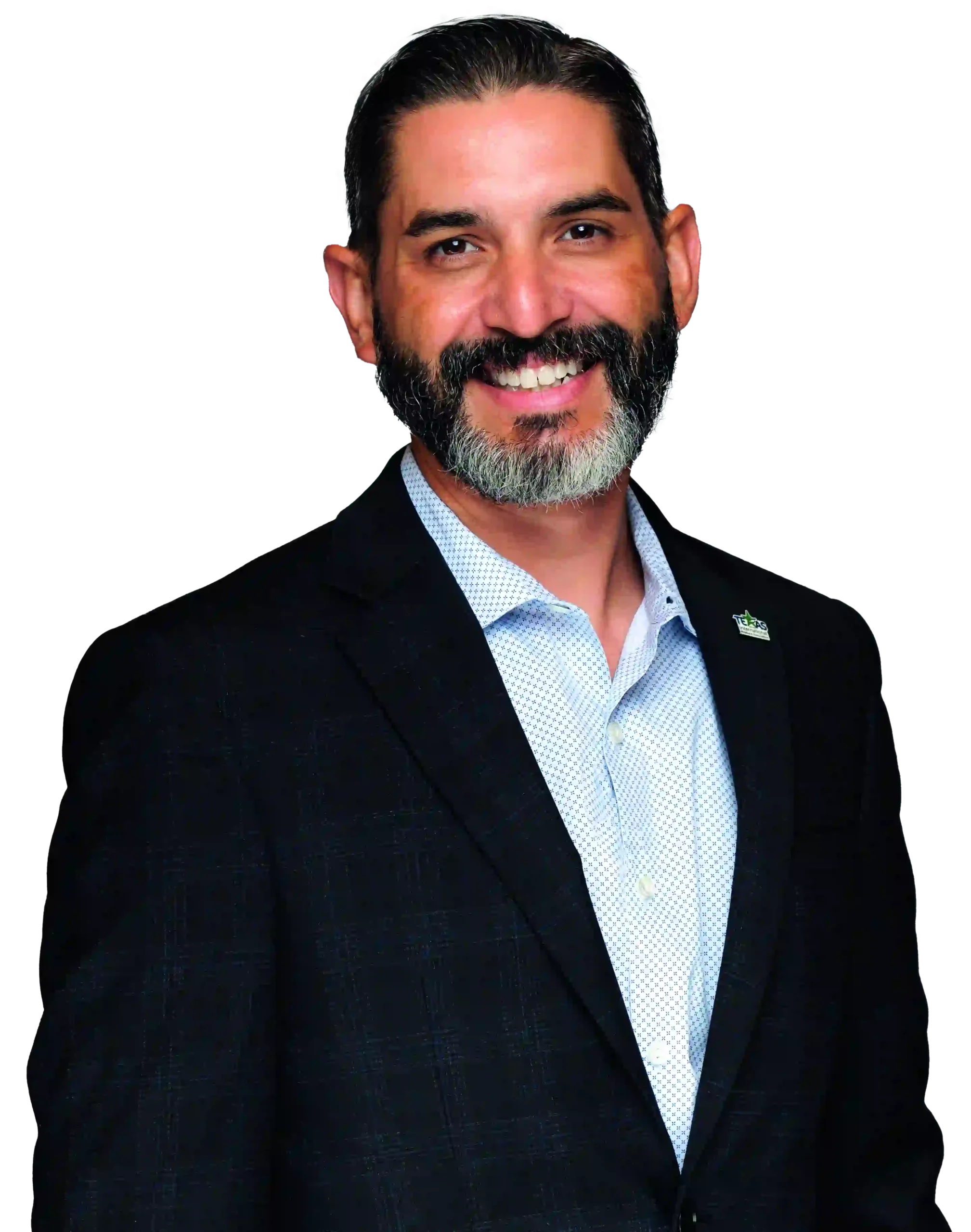
DANTE GALEAZZI, PRESIDENT AND CEO OF THE TEXAS INTERNATIONAL PRODUCE ASSOCIATION (TIPA)
1. What was the biggest challenge in 2026?
It was very similar to last year: adaptation. Changes are happening too fast and too frequently. Look at just a couple of issues we saw over the summer: high fuel prices going into contract negotiations. How do you approach buyers worried about food inflation and trying to keep retail prices down for consumers, who in turn see their dollars buy less and less food?
The Hispanic demographic is among the largest consumers of fresh produce in the United States. Yet that population, along with every other demographic group, is buying fewer fresh fruits and vegetables.
Another major challenge has been food safety concerns.
How do we balance it all? Adaptation has certainly been one of our greatest hurdles.
2. What was the biggest opportunity?
Our messaging and communication strategy. People are buying less produce because of the immense misinformation this summer surrounding cyclosporiasis and salmonella outbreaks. Statistically, you are more likely to get into a car accident than to contract these illnesses. Fresh produce is safe and healthy, and families need to buy more of it because it’s essential for their well-being.
3. What change or event will impact the Hispanic community the most?
The food safety events that occurred this summer. Fresh fruit and vegetable volumes in stores have dropped between 40% and 60%.
Would you like me to draft newsletter subject line options or social media summaries for this article as well?