
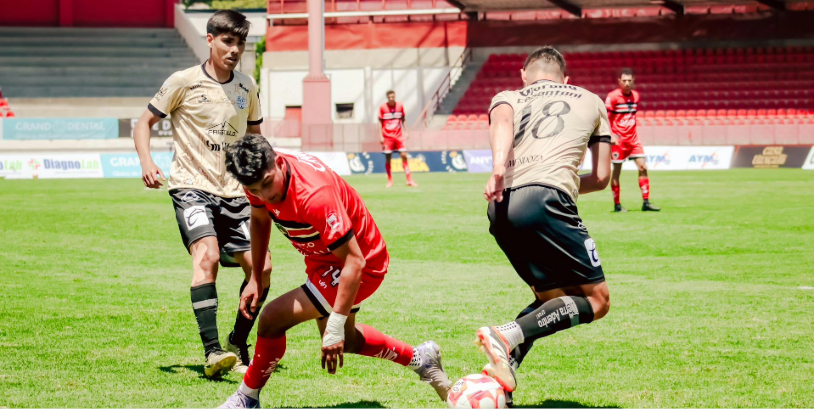
The Mundial is an extraordinary business opportunity. With the right retail sales strategies, it is possible to increase sales and connect with the cultural moment.
The excitement surrounding soccer drives purchases of food, beverages, technology, decorations, fashion, and promotional items. Ready to take advantage of this huge demand?
Below, we present 13 well-planned strategies that can make the difference between an average campaign and a truly profitable season.
Table of contents
- 13 Retail Sales Strategies You Shouldn’t Overlook
- 1. Themed Promotions by Match or Team
- 2. Bundles or Match-Day Kits
- 3. Real-Time Flash Offers
- 4. Displays in High-Traffic Areas
- 5. Cross-Selling Between Categories
- 6. Activations and Fan Engagement Activities
- 7. Synchronized Omnichannel Campaigns
- 8. Mobile Promotions During Matches
- 9. Segmentation by Consumption Moment
- 10. Fast Restocking of Key Products
- 11. Assortment Adapted to the Local Market
- 12. Options for Different Shopper Profiles
- 13. Limited Editions and a Sense of Urgency
13 Retail Sales Strategies You Shouldn’t Overlook
During an event of this magnitude, increasing sales is not only about offering good prices or products. The key is understanding how consumer behavior changes during the tournament.
A season filled with excitement, anticipation, and social consumption gives retailers a unique opportunity, especially to connect with new audiences and gain visibility.
To achieve this, it is crucial to identify business opportunities that allow brands to respond with relevance, speed, and creativity. Here are some concrete actions.
1. Themed Promotions by Match or Team
These promotions connect the commercial offer with the excitement of the tournament. In retail, this translates into special discounts for key matches and campaigns tied to specific results.
When consumers feel the promotion is linked to the event, their interest and purchase intent increase. It also refreshes communication across stores and channels.
Additionally, it helps adapt messaging, colors, products, and pricing to different stages of the tournament. As a result, brands increase visibility and encourage impulse purchases.
In the U.S. market, where communities from multiple nationalities coexist, team-based promotions create a stronger cultural connection.
2. Bundles or Match-Day Kits
These are an effective way to increase the average ticket size because they group products customers usually consume together. But what can these kits include? For example:
- Snacks
- Drinks
- Cups
- Coolers
- Decorations
- Jerseys
- Tech products
The advantage is that they simplify the buying decision, offering a practical, convenient, and fast solution. In addition, kits allow retailers to play with different price levels.
These retail sales strategies work well in supermarkets, ecommerce, and big-box stores. A good bundle delivers both experience and convenience.
3. Real-Time Flash Offers
These offers take advantage of the excitement of the match to trigger instant purchases. They can be launched before the game ends, during halftime, or at key moments such as a goal.
Their strength lies in urgency because consumers feel they must act quickly to avoid missing the benefit. In retail, they perform especially well through apps, social media, and ecommerce.
They also keep audiences connected with the brand during the broadcast. Short-term promotions create anticipation and encourage customers to stay attentive.
When combined with available inventory and clear messaging, they become a powerful conversion driver, greatly benefiting retailers in the USA.
4. Displays in High-Traffic Areas
These displays capture shoppers’ attention at the point of sale. Areas such as entrances and high-traffic aisles are ideal for highlighting products.
In a fast-shopping environment, visibility is a critical factor in driving additional sales. An eye-catching and easy-to-grab display increases the likelihood of purchase.
Ideally, the display should be simple, visually strong, and thematically aligned with the event. Messages should also evolve according to the tournament stages.
In retail, strategic placement can be just as powerful as a good promotion. In fact, it can make a major difference in increasing store sales.
5. Cross-Selling Between Categories
This strategy consists of linking complementary products so customers buy more than originally planned. For example, a beer purchase can be paired with ice or cups.
Similarly, TV sales are often associated with soundbars, installation promotions, or wall mounts.
The goal is to build a complete solution instead of selling isolated products. Ultimately, these retail sales strategies provide several benefits:
- Improve the customer experience
- Increase the total value of each transaction
- Significantly boost profitability
6. Activations and Fan Engagement Activities
These actions make the shopping experience more interactive and memorable. Instead of simply offering products, retailers can create raffles, games, or themed spaces.
As a result, customers stay longer in the store and strengthen their emotional connection with the brand. After all, soccer inspires social conversation and a sense of belonging.
That is why incorporating audience-focused activities generates more traffic and visibility. It also helps collect data, grow social media followers, and strengthen loyalty.
7. Synchronized Omnichannel Campaigns
This type of campaign ensures that the commercial message reaches consumers consistently across all touchpoints.
During the event, this means the same promotion, theme, or benefit should be aligned across physical stores, ecommerce, email, apps, and digital advertising.
The reason is simple: today’s consumers move between channels without thinking about boundaries. Therefore, they expect a fully integrated experience at all times.
This consistency builds trust, reduces friction, and accelerates purchases. It also reinforces brand impact through strategic message repetition.
8. Mobile Promotions During Matches
Promotions during matches allow brands to connect with consumers who are constantly checking their phones while watching the game.
While following the match, many people comment on plays, check statistics, participate in chats, and shop from their mobile devices.
That is why launching real-time discounts, coupons, or notifications is especially effective. However, an effective message should be:
- Brief
- Relevant
- Easy to activate on mobile
- Designed to lead users to a quick and simple purchase without unnecessary steps
In a context where smartphone usage is intense, this strategy efficiently captures impulse purchases and ensures higher profitability.
9. Segmentation by Consumption Moment
Not every Mundial moment generates the same type of purchase. Therefore, segmenting by consumption occasion is essential.
Before the match, consumers mainly focus on stocking up and planning. During the game, immediate needs and impulse decisions emerge.
After the match, purchases related to celebrations, replenishment, or gatherings may increase. Understanding this sequence is key to designing precise and relevant offers.
10. Fast Restocking of Key Products
Fast replenishment is critical during high-demand seasons like this one. A stockout immediately translates into lost sales opportunities.
Products such as beverages, snacks, ice, prepared foods, disposable items, and party-related products usually experience major spikes in turnover.
Failing to anticipate these movements leaves shelves empty precisely when shoppers arrive. Strong logistics planning is part of the business strategy.
Retailers should rely on historical data, match schedules, and consumer behavior insights. In addition, coordination with warehouses, sales floors, and suppliers is essential.
11. Assortment Adapted to the Local Market
Adapting assortments to the local market allows retailers to better respond to the cultural and demographic diversity that defines the USA.
Did you know that not every area experiences the tournament in the same way? Communities also support different teams, so offers should match the profile of each audience.
In some cities, it may make more sense to strengthen products related to Latin American national teams. In others, different categories may be more relevant. This approach:
- Makes the store feel more relevant to its audience
- Increases the likelihood that consumers find products they emotionally identify with
- Improves product rotation
- Strengthens customer connection
- Optimizes the use of retail space
12. Options for Different Shopper Profiles
During the event, there is no single type of consumer. For that reason, retailers must design proposals for different buyer profiles to achieve strong results.
Some customers will look for low prices, others will prioritize convenience, and some will prefer premium or healthier products.
Meeting this diversity requires multiple formats, price ranges, and product combinations. When the offer is flexible, stores capture a broader spectrum of demand.
Segmenting customer profiles also helps create personalized messages and promotions. During the event, selling more means understanding that not everyone buys for the same reason.
13. Limited Editions and a Sense of Urgency
These are powerful tools for accelerating purchase decisions. If consumers perceive that a product is only available for a limited time, their willingness to buy increases.
In this context, retailers can apply the strategy through commemorative packaging, special collections, exclusive products, or limited-time promotions.
These retail sales strategies create novelty, conversation, and differentiation. They also make price-competitive categories feel more special.
In retail, well-managed urgency transforms vague purchase intent into concrete action. The secret is clearly communicating real scarcity and perceived value.