
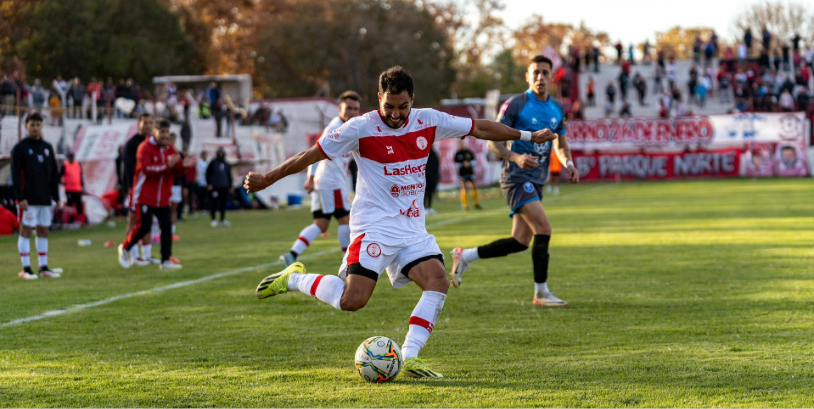
The Mundial de Fútbol will not only be a large-scale global sporting event. Rather, it will become a massive commercial driver for retail in the USA.
The magnitude of the tournament, the diversity of audiences, and the high level of anticipation will create the perfect environment to boost sales across multiple categories.
Unlike other seasons, this event can trigger emotional, social, and convenience-driven purchases in a very short period of time. Keep reading to discover how to take advantage of it.
Table of contents
- Why the Mundial de Fútbol Is a Huge Opportunity for Retail in the USA
- 5 Consumer Trends During Major Sporting Events
- How Shoppers Behave During the Mundial de Fútbol
- 5 Product Categories With the Highest Sales Potential
- Retail Sales Strategies You Shouldn’t Ignore
- The Role of the Shopping Experience During High-Demand Periods
Why the Mundial de Fútbol Is a Huge Opportunity for Retail in the USA
Hosting this event on North American soil places the USA at the center of a global conversation that will attract media attention, tourism, and high consumer spending.
For retailers, this scenario naturally increases demand for products associated with gatherings, celebrations, and home entertainment.
In addition, the country’s multicultural population expands opportunities for segmentation and personalized marketing. It is also a valuable opportunity to launch seasonal campaigns.
Altogether, this benefits large chains, supermarkets, convenience stores, and digital platforms alike. It can even strengthen overall brand positioning.
5 Consumer Trends During Major Sporting Events
In general, consumption trends during sporting events are linked to convenience, entertainment, socialization, and immediacy.
Identifying these trends early is essential for planning assortments, promotions, and effective marketing messages. Here are 5 behaviors that will make a difference.
1. Increase in Impulse Purchases
During the event, consumers are exposed to emotional triggers and last-minute decisions, which increases impulse buying.
The excitement of a match, an improvised gathering, or an attractive promotion can spark unplanned purchases within seconds, especially in categories such as:
- Snacks
- Beverages
- Decorations
- Promotional items
This trend requires stronger product displays, signage, and commercial activations in strategic areas, along with clear messages connected to the tournament.
2. Higher Consumption of Snacks, Drinks, and Gathering Products
The tournament turns many matches into social occasions. As a result, the consumption of products designed for sharing increases significantly.
This shopping pattern follows a simple logic: consumers want to quickly and easily prepare a collective experience.
For retailers, this opens opportunities for cross-promotions, bundles, and highlighted in-store placements. Family-size presentations and special packages also become highly relevant.
3. Heavy Mobile Usage While Following the Event
Today’s consumers experience the tournament through multiple screens at once. While watching matches, they check statistics, comment on social media, reply to messages, and discover promotions.
Mobile devices play a central role in that experience and become a decisive sales channel. Of course, for this strategy to truly work, it must be characterized by:
- Speed
- Relevance
- Ease of action
- Reduced friction
- Fast decision-making processes
During a season like this, mobile becomes a key point of sale. The best approach is to use mobile promotions, push notifications, and digital coupons.
4. Preference for Limited Promotions and Real-Time Offers
During high-intensity sporting events, consumers respond strongly to short-term promotions and real-time deals activated during key moments.
The reason is that tournament dynamics are tied to emotional excitement, unexpected outcomes, and the feeling of not wanting to miss out.
Campaigns that take advantage of this rhythm connect more deeply with the customer’s emotional context. They can even create urgency without relying on aggressive discounts.
5. Demand for Faster, More Convenient, and Themed Shopping Experiences
Beyond low prices, consumers during events like the Mundial de Fútbol prioritize convenience, speed, and experiences aligned with the tournament atmosphere.
They look for products related to the matches without spending too much time searching, buying too much, or overthinking decisions. Consumers also prefer environments that reflect the spirit of the tournament through:
- Colors
- Messages
- Promotions
- Themed decoration
But what does offering convenience really mean? For retailers, it involves simplifying shopping paths, grouping products together, and making ready-to-use or ready-to-consume options easy to access.
How Shoppers Behave During the Mundial de Fútbol
Consumer behavior during the Mundial de Fútbol differs from other seasons because decisions are influenced by emotion, urgency, and social pressure.
Many purchases aim to solve immediate needs, such as stocking up for gatherings, preparing a viewing space, or taking advantage of a promotion.
Additionally, planning coexists with improvisation, forcing retailers to respond to both dynamics. Some shoppers buy in advance, while others purchase at the last minute.
5 Product Categories With the Highest Sales Potential
Not all categories perform equally during the tournament. Some directly benefit from the type of consumption associated with the championship.
A well-focused assortment can make a significant difference in the overall results of the campaign. Below are 5 categories that stand out during the event.
1. Snacks and Ready-to-Share Foods
These products are clear protagonists of match-day consumption because they meet an immediate need for convenience and socialization.
When people gather to watch a game, they look for easy-to-serve, easy-to-eat, and shareable options. This tends to increase demand for:
- Chips
- Nachos
- Dips
- Pizzas
- Party trays
- Nuts
- Fast-consumption products
Another advantage of this category is its fast turnover and natural compatibility with cross-selling opportunities. It also comes in multiple formats, from individual portions to family sizes.
2. Cold Alcoholic and Non-Alcoholic Beverages
Beverages are among the highest-demand products throughout the tournament because they accompany every consumption occasion.
Whether in small or large gatherings, there is always a need for cold, varied, and easy-to-serve options such as soft drinks, water, beer, and energy drinks.
For retailers, this requires strong planning in terms of inventory, refrigeration, restocking, and visibility. Promotional actions like combos and volume discounts are also essential.
3. Electronics and Accessories for Watching the Event at Home
Did you know the soccer season boosts sales of electronics and accessories? Many consumers want to improve their viewing experience at home through:
- TVs
- Soundbars
- Headphones
- Projectors
- TV mounts
- Streaming devices
This type of purchase is driven by the desire to better enjoy matches, host guests, or upgrade equipment before the Mundial de Fútbol begins.
Thanks to this demand, retailers have opportunities to develop financing strategies, extended warranties, and installation or accessory packages.
4. Sportswear, Jerseys, and Themed Merchandise
These products have strong sales potential because they allow consumers to express their identity, enthusiasm, and affinity with teams.
It is not just about clothing but about actively participating in the tournament atmosphere. This includes jerseys, caps, scarves, wristbands, flags, and decorative accessories.
This category combines emotional purchasing with attractive profit margins. It also adapts to different customer profiles, budgets, and communities.
5. Party Supplies, Decorations, and Promotional Products for Fans
These products become especially popular because they transform gatherings into more immersive and festive experiences. Some examples include:
- Themed cups
- Plates
- Pennants
- Balloons
- Napkins
- Tablecloths
- Horns
- Decorative accessories
This category performs well in homes, businesses, offices, bars, and community events, allowing retailers to encourage impulse purchases through visual merchandising.
Likewise, this category complements other primary purchases, supporting cross-selling opportunities and seasonal campaigns.
Retail Sales Strategies You Shouldn’t Ignore
In a highly competitive season like this, increasing sales does not depend on a single action. The key is combining commercial tactics that respond to customer behavior.
That is why retailers must act with speed, clarity, and consistency. Only then can they capitalize on moments of peak attention and demand.
This involves planning promotions, strengthening displays, adapting assortments, facilitating complementary purchases, and activating digital channels in real time.
It also requires understanding that customers are not just looking for products but for complete solutions. The most effective strategies combine convenience, emotion, and opportunity into one proposal.
The Role of the Shopping Experience During High-Demand Periods
During periods of high demand, the shopping experience becomes crucial, especially because customers want quick, frictionless solutions with a clear sense of value.
This expectation intensifies during the tournament because purchases are often tied to specific schedules, immediate needs, and pressure-driven decisions.
If the store is disorganized, poorly signposted, or creates obstacles in the shopping journey, it will likely lose sales. Even good products will not guarantee success.
On the other hand, a smooth shopping experience improves customer perception and increases additional purchases. During the Mundial de Fútbol, if shopping feels easy, retail strategies become far more effective.