
By Consumer Reports
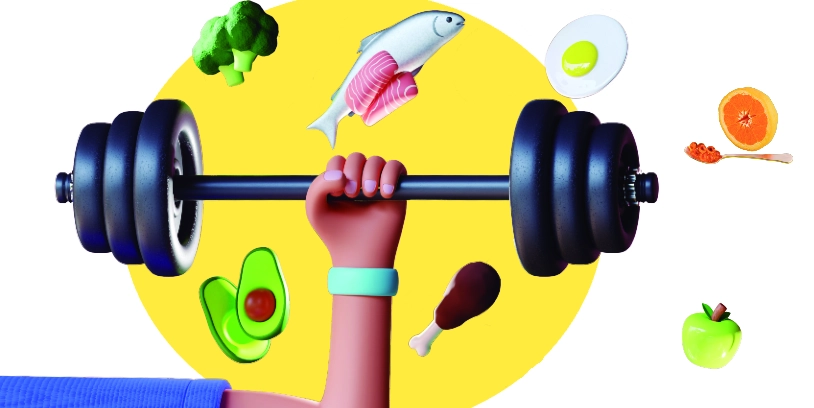
You’ve heard that exercise can help build and maintain muscle, but what isn’t discussed as often is the role that diet plays in keeping your muscles in good shape. Follow these eating tips to fuel muscle growth and feel stronger.
Bump Up Your Protein
Protein is key to building and maintaining muscle. The National Academy of Sciences recommends that adults eat 0.36 grams of protein per pound of body weight per day. Some experts recommend even more protein for older adults to compensate for muscle loss and the fact that building new muscle becomes harder with age. Animal foods tend to have more protein per serving than plant sources. But for other aspects of your health, it’s best to get at least some of your protein from plants, such as beans, nuts, and tofu.
Get More Calories
If you’re not getting enough calories, your body will break down muscle. Calorie needs vary based on height, weight, gender, and activity levels, but 1,800 to 2,400 calories per day is probably adequate.
Choose Quality Carbs
Carbohydrates fuel your muscles, so they can help you feel stronger. The best sources are whole grains, legumes, fruits, and vegetables. Refined carbs like white bread, crackers, soda, and desserts can boost short-term energy, but unlike high-quality carbs, they don’t have the advantage of fiber and other nutrients.
Check Your Vitamin D
Vitamin D is important for bone, muscle, and overall health, so getting the recommended 20 micrograms (800 IU) per day is smart.
Related Article: Nutrition Myths and Misunderstood Foods
Stay Hydrated
Getting plenty of fluids is important for overall health and preserving muscle, Lester says. Muscle is 70 to 75 percent water, and insufficient water content inside muscle cells has been linked to changes in muscle strength and the ability to do daily activities, as well as a higher risk of frailty in older adults.
Ask Your Doc About Creatine Supplements
Creatine is often used by athletes looking to improve exercise performance, but some research suggests that older adults may benefit from it, too. The Journal of Clinical Medicine found that creatine—in combination with regular strength training—may help reduce the risk of sarcopenia and falls. (Muscle is important for balance, too.)
The Importance of Strength Training
There’s no getting around the fact that exercise is crucial for your muscles. But that doesn’t mean you have to take up bodybuilding to get stronger. Activities like walking and simple strength-training moves such as chair squats and wall pushups—and just being active and moving more in general—are a good way to preserve muscle and keep bones and joints strong, Masterson says.
*This is a condensed version of a Consumer Reports article. Visit ConsumerReports.org for the full story.