
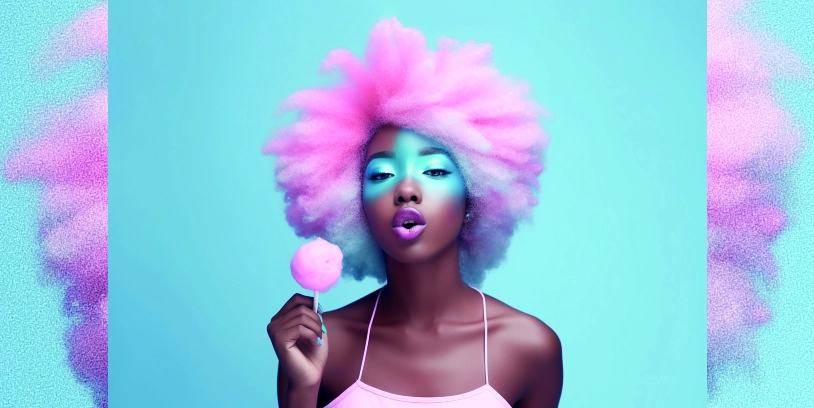
The modern palate’s boredom has a name, a diagnosis, and, above all, a solution. It’s called SenseMaxxing, and it’s changing the game for retailers and snack manufacturers.
Today’s consumer doesn’t just walk into a store to buy something. They walk in looking for an experience. Sales data in the snack and confectionery channel confirm this pattern that many category managers already sensed on the sales floor: products that combine multiple simultaneous stimuli, a pronounced crunch, a color impossible to ignore, a flavor that shifts from sweet to spicy in seconds, sell faster, generate more organic content on social media, and command higher prices than their counterparts with a simple sensory profile.
This is no coincidence. It is the commercial reflection of a trend that the Specialty Food Association has just officially named the most important of the year: SenseMaxxing, or sensory maximalism, the consumer’s active search for products that intensely and simultaneously activate all their senses.
SenseMaxxing is the Trend of the Year
The Specialty Food Association (SFA) declared SenseMaxxing its 2026 Trend of the Year, announced at the Winter Fancy Fair. The definition is precise: an embrace of experiential intensity, where every bite and every sip maximizes sensory saturation.
In a cultural moment dominated by smooth touchscreens and algorithms, consumers are responding with a visceral counter-movement: they want to feel more, not less.
“We spend twelve hours a day touching flat, one-dimensional glass,” explains Kevin Ryan, founder and CEO of Malachite Strategy and trends partner at the SFA. “SenseMaxxing is the consumer’s silent rebellion against uniformity. From texture and taste to visual brilliance, it will be one of the keys to differentiating products and brands in 2026.”
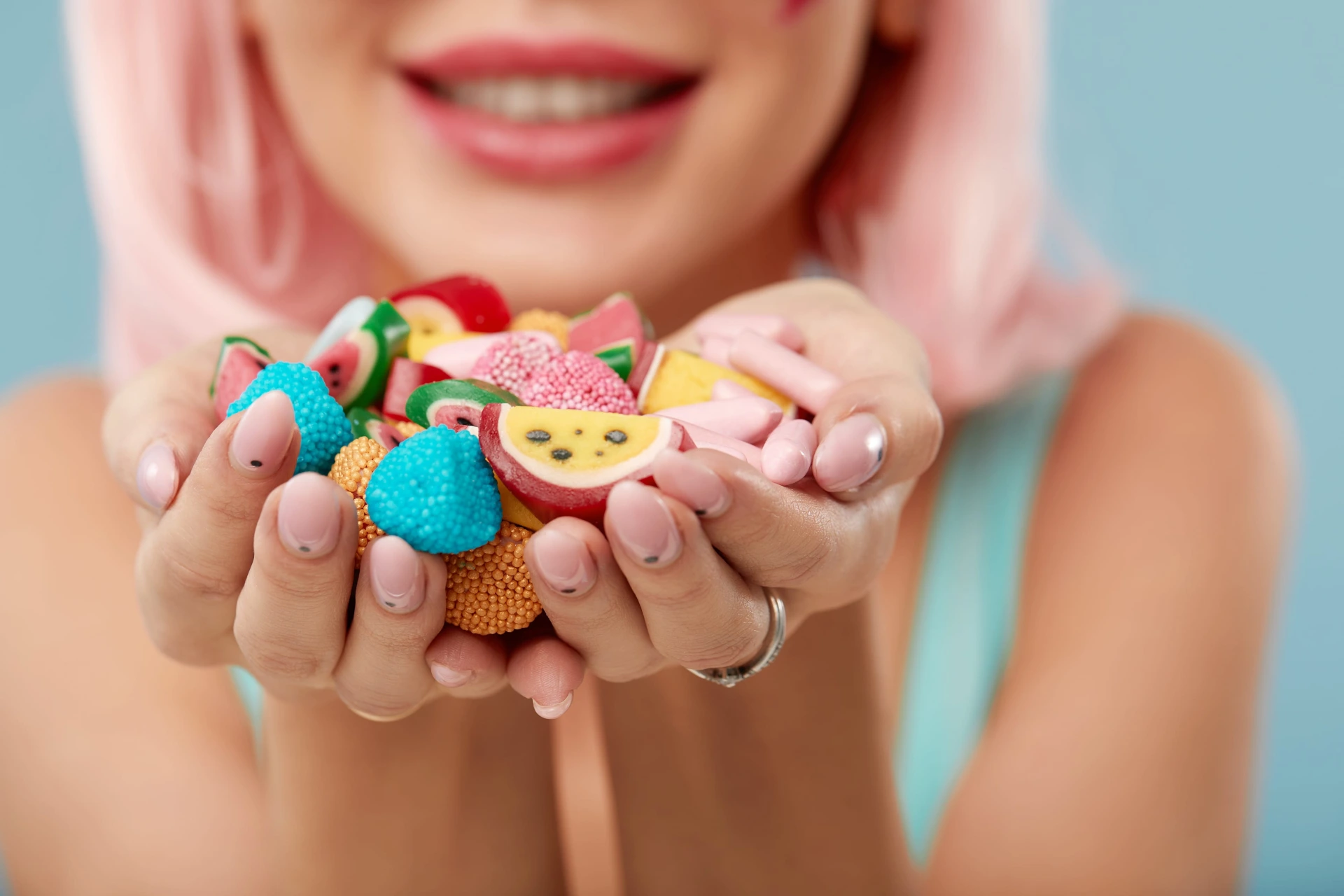
From the Touchscreen to the Tactile Palate: Why Now
The logic behind the phenomenon is almost paradoxical: the more digitized our lives become, the more intensely we seek physical experiences that remind us we are flesh-and-blood beings. Digital overstimulation has created a kind of emotional numbness. Food has become one of the last frontiers where humans can outsmart AI: no algorithm can chew; no language model can taste the spice.
“Digital saturation has reprogrammed consumer expectations, and food is no exception,” notes the SFA in its trends report. “Amid the ‘numbness’ of modern life, consumers demand friction, vibrancy, and authenticity, not bland neutrality. They want experiences that make them feel alive.”
The result is a new hierarchy of value on the shelf: if a product fails to cut through the noise in terms of flavor, texture, aroma, or visual impact, it simply won’t have a place in 2026.
What Defines a SenseMaxxing Product
It’s not enough to add chili to everything or paint packaging neon. Authentic SenseMaxxing operates on simultaneous layers.
First, extreme and contrasting texture: combinations that clash within the same bite, a soft core with a layer of explosive sweetness. The sound of the crunch is no longer accidental; it’s product engineering.
Second, hyper-vivid color: pigments that shift in hue, presentations impossible to ignore while scrolling through Instagram. Virality isn’t a bonus; it’s part of the design.
Third, aroma as the first hook: olfactory elements that trigger nostalgia or curiosity before the first bite.
And finally, flavors on the edge: acidity that makes you squint, Szechuan spice that leaves your lips numb, dark chocolate with pepper. It’s not about pleasant flavors in the conventional sense; it’s about memorable flavors in the neurological sense.
Related Article: Mexican Candy: A Success Story
The Opportunity for Retailers: Beyond the Product
For the retail channel, SenseMaxxing isn’t just a buying signal; it’s a roadmap for the entire shelf strategy. Multisensory products are perceived as premium or artisanal, which justifies higher margins. When a sweet offers a complex sequence of changing textures and flavors, the consumer is willing to pay more than for a product with a simple texture.
The display also enters the equation. High-contrast displays, tactile packaging, and a visual narrative that anticipates the product’s internal experience are now conversion tools as important as price. Packaging doesn’t inform, it promises.
And in the experience economy dominated by Millennials and Gen Z, that promise of a mini-sensory adventure, accessible, immediate, shareable, holds enormous purchasing power. The snack is no longer fuel. It is pocket-sized entertainment.
2026: The Year the Shelf Speaks Louder
The complementary trends identified by the SFA for 2026 all point in the same direction: the modern consumer doesn’t want passive products. They want products that tell a story, that engage them.
In 2026, products that evoke a feeling will continue to win. Those that do nothing for the senses will simply cease to exist in the shopping cart.