
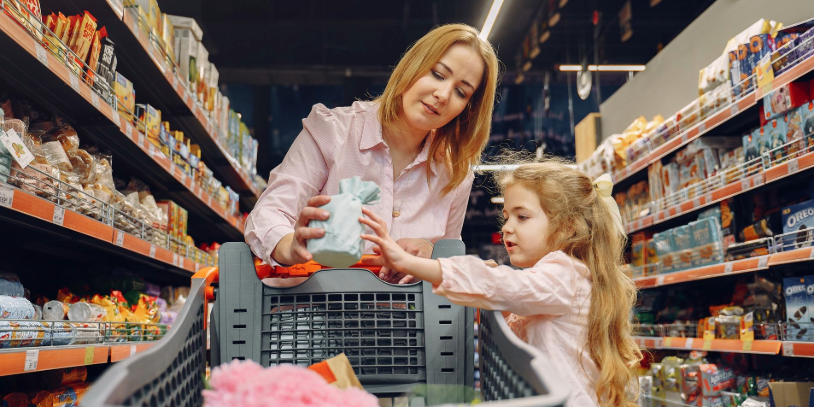
Knowing how to organize the candy aisle is a merchandising strategy that helps capture attention, make shopping easier, and promote seasonal products in the store.
According to Abasto, the recent transformation of Tony’s Fresh Market’s candy department shows that a well-planned renovation can generate measurable results.
Below, we explain how to organize aisles with a practical approach for independent supermarkets, regional chains, and stores serving Hispanic shoppers.
Table of contents
- Why Location Influences Candy Sales
- How to Organize the Candy Aisle by Category
- Using Color, Signage, and Lighting
- Where to Place Impulse-Buy Products
- Checkout and Endcap Displays
- How to Take Advantage of Halloween, Christmas, and Other Seasons
- Combine Traditional Candy and Hispanic Products
- How to Measure Sales After Reorganizing the Aisle
- Ideas From Tony’s Fresh Market and Other Stores to Improve the Experience
Why Location Influences Candy Sales
Because it determines how many customers see a category and how many decide to add something to their cart. After all, candy is often purchased based on cravings, curiosity, or as an add-on.
For that reason, a hidden, dark, or remote aisle loses sales opportunities. Clear and organized areas, on the other hand, make it easier for shoppers to navigate the store.
Visibility, Customer Flow, and Impulse Buying Decisions
Visibility depends on shoppers being able to spot products from a reasonable distance and understand what they will find in each section of the store.
Customer flow is the path people follow through the store. Placing candy along these routes increases buying opportunities. Take advantage of these areas by:
- Placing quick-purchase products near checkout counters and payment lines.
- Using secondary displays at entrances and in main aisles.
- Placing gift products in clean, well-lit areas.
- Avoiding blocked pathways caused by boxes, signs, or oversized displays.
- Reviewing customer movement before changing the entire category.
How to Organize the Candy Aisle by Category
Knowing how to organize the candy aisle by category helps shoppers find what they want without wasting time. The basic separation includes chocolate, gummies, gum, and mints.
It is also useful to distinguish between individual products and family-size packages. This structure makes it easier for shoppers to compare sizes, prices, and flavors.
Chocolate, Candy, Gummies, Gum, Hispanic Candy, and Seasonal Products
Each type of candy meets a different need, so it requires an easy-to-recognize location. A practical and useful aisle structure should include:
- Chocolate bars, sharing bags, and premium options.
- Gummies, soft and hard candies, and lollipops.
- Gum, mints, and quick-consumption products.
- Sugar-free candy, products without certain ingredients, or controlled-portion options.
- Hispanic candy and international flavors clearly identified.
- Halloween, Christmas, Easter, and other holiday products.
However, seasonal merchandise needs separate spaces. This allows it to maintain its visual impact and prevents it from getting lost among the store’s regular assortment.
Using Color, Signage, and Lighting
Space, signage, and lighting can transform an ordinary aisle into a more attractive and easier-to-navigate area. An overly busy background only creates confusion.
A visually clear and organized space, on the other hand, conveys cleanliness, quality, and a much more pleasant and simple shopping experience for visitors.
Visual Elements to Guide Customers and Highlight Key Products
Ideally, visual elements should guide shoppers from the beginning of the aisle to featured products. To improve the visual presentation, use:
- Simple signs with easy-to-recognize categories.
- Price tags that are clearly visible from the front of the shelf.
- Supporting colors that separate areas without overwhelming the display.
- Uniform lighting throughout the aisle.
- Signs for new products, seasonal merchandise, and special promotions.
Digital screens and QR codes can also help share promotions, recipes, or information about new products available.
Where to Place Impulse-Buy Products
Impulse-buy products are items consumers add to their carts without planning to purchase them before entering the store, such as chili products, chocolate bars, and mints.
Their price, size, and ease of consumption make them suitable for areas where shoppers wait, walk, or finish their trip, such as checkout counters.
On the other hand, easy-to-see prices and multi-unit promotions help increase the number of items per purchase, according to Supermarket News.
Affordable Candy Near Entrances, Checkout Areas, and High-Traffic Zones
Affordable merchandise should be within easy reach and have an offer that is easy to understand. That is why the best areas for encouraging impulse purchases include:
- Traditional checkout counters and self-checkout stations.
- Entrances with high customer traffic.
- Beverage coolers, coffee areas, and prepared-food sections.
- Endcaps in busy aisles.
- Small displays near seasonal promotions.
Products placed in these areas require frequent restocking because empty spaces reduce their visual impact. It is also important to keep prices up to date.
Checkout and Endcap Displays
These displays provide additional visibility to products that need to stand out. An endcap is valuable for launches, family-size packages, and promotions.
According to Supermarket News, checkout areas are better suited for small, practical products with clear pricing. Each space should have a defined purpose.
Take Advantage of Strategic Spaces to Drive Additional Sales
The goal is not to duplicate the main aisle, but to complement it with small products that shoppers can decide to purchase within seconds. Cross-selling is useful here. Some ideas include:
- Endcaps with bags of sharing candy during a specific season.
- Chocolate displays near flowers and gift cards.
- Gum and mints next to checkout counters, beverages, and self-checkout stations.
- Promotional packages near soft drinks, coffee, or popcorn.
- Themed candy in entrance areas during specific celebrations.
This helps customers remember an additional need without feeling pressured. Store employees should check displays every day and restock merchandise.
How to Take Advantage of Halloween, Christmas, and Other Seasons
Each season brings different products, shopping needs, and package sizes. Therefore, the key is to prepare the assortment in advance and place it in visible areas.
When planning how to organize the candy aisle for seasonal sales, large displays, secondary placements, and creative signage attract more traffic.
Themed Displays, Special Assortments, and Date-Based Promotions
Themed displays should begin before the celebration, but not so early that they lose relevance. When preparing for each season, consider:
- Displays at entrances and on endcaps.
- Family-size bags, individual products, and gift options.
- Promotions with visible dates and clear duration alongside easy-to-understand prices.
- Cross-selling with costumes, beverages, bakery products, flowers, or greeting cards.
- Discount plans for remaining inventory at the end of the campaign.
An internal calendar helps coordinate inventory, signage, digital promotions, and setup dates when deciding how to organize the candy aisle.
Combine Traditional Candy and Hispanic Products
Combining traditional candy with Hispanic products makes it possible to serve loyal customers while also generating interest among new shoppers.
A diverse assortment recognizes that the Hispanic community includes different cultures, preferences, and flavors. Integrating this category permanently strengthens the store’s product offering.
A Diverse Assortment That Connects With Hispanic Customers and New Shoppers
A diverse assortment begins with listening to customers before determining how to organize the candy aisle. It is also important to review products that already have strong sales.
Conversations with employees, suppliers, and customers help identify brands, flavors, and formats that are missing from the aisle. An attractive selection should include:
- Candy with tamarind, chili, fruit, milk, coconut, and cajeta.
- Lollipops, caramels, wafers, gummies, and Latin American chocolates.
- Brands recognized by local communities and regional products.
- Clear labels describing flavor, spiciness, and consumption format.
- Familiar products alongside new products to encourage discovery.
These products should be placed in a permanent, clearly identified area alongside traditional high-demand products. Social media is also very useful for this.
How to Measure Sales After Reorganizing the Aisle
Before planning how to organize the candy aisle, you should record basic data on sales, units sold, margins, inventory, and best-selling products.
According to Abasto, at Tony’s Fresh Market, weekly growth of 14.3% and 13.9% after the renovation showed how important it is to evaluate performance after implementing improvements.
Turnover, Margin, Average Basket, and Product Performance Indicators
These indicators provide a clear view of what works, what needs to be adjusted, and where opportunities are being lost. Key metrics to evaluate include:
- Dollar sales and units sold by category.
- Gross margin by product, brand, and package type.
- Inventory turnover and restocking frequency.
- Average basket value of customers who purchase candy.
- Sales from checkout displays, endcaps, and secondary locations.
- Out-of-stock products, discounts applied, and waste caused by damage.
With this information, the team should make simple decisions such as expanding a display, changing a promotion, or reducing a slow-moving product in the supermarket.
Ideas From Tony’s Fresh Market and Other Stores to Improve the Experience
As Abasto mentions on its website, Tony’s Fresh Market’s experience shows that the candy aisle deserves its own strategy within the business.
The renovation of its category turned the department into a more engaging area for customers and was accompanied by sales increases during the first few weeks.
When properly measured, these adjustments generate continuous improvements. A store that knows how to organize the candy aisle builds a strong relationship with its customers.