
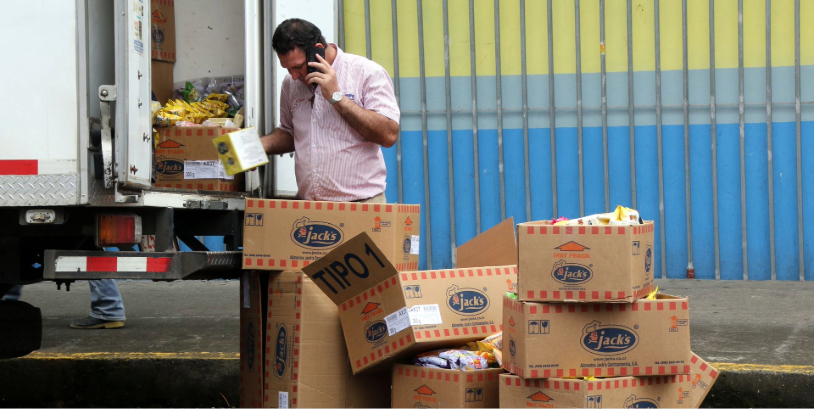
The food your business offers Latino customers every day doesn’t magically appear on store shelves. It has to come from a Hispanic food distributor.
That’s why choosing a reliable supplier is like finding a trusted friend: they should keep their promises and never let you down when you need them most.
After all, if your supplier fails, your shelves run out of stock and you lose customers. Here’s what you should evaluate before signing a contract.
Table of contents
- Why Choosing the Right Hispanic Food Distributor Matters
- What Is a Hispanic Food Distributor and What Services Does It Offer?
- Certifications and Health Permits Your Distributor Should Have (FDA and State Licenses)
- Product Variety and Quality
- Logistics and Geographic Coverage
- Wholesale Pricing and Payment Terms
- Reputation and Testimonials From Other Businesses
- Success Stories With Hispanic Supermarkets
Why Choosing the Right Hispanic Food Distributor Matters
Choosing the wrong distributor is like building a house on sand—everything will eventually collapse. A food business depends on products arriving on time and in excellent condition.
If deliveries fail, shelves stay empty and customers shop elsewhere. In addition, many Hispanic food products are difficult to source, so losing a supplier often means losing access to unique merchandise.
A poor choice also hurts your bottom line because unstable pricing and late deliveries create unnecessary losses. On the other hand, a dependable distributor helps your business grow.
What Is a Hispanic Food Distributor and What Services Does It Offer?
A Hispanic food distributor serves as the bridge between Latin food manufacturers and the businesses that sell their products. It sources items such as rice, spices, cheeses, and traditional beverages.
Then, it delivers them directly to restaurants, bodegas, and supermarkets. Besides transportation, distributors also store products in clean, properly maintained warehouses before delivery.
Many distributors offer extensive catalogs featuring hundreds of brands, giving you the flexibility to choose the products your customers want most.
They may also provide recommendations on seasonal best sellers and scheduled deliveries to help prevent inventory shortages.
Certifications and Health Permits Your Distributor Should Have (FDA and State Licenses)
Before trusting a Hispanic food distributor, make sure it has the proper documentation proving it operates safely and legally. You should also:
- Verify that certifications are displayed clearly and without hesitation.
- Request copies of all required documents before signing an agreement.
- Confirm that all permits and licenses are current and valid.
These documents help ensure that the food is safe for consumers. Without them, you risk selling expired or improperly stored products.
FDA Certification and Federal Food Safety Regulations
The FDA acts as the national authority responsible for ensuring food is safe for consumption. Every reputable distributor must comply with its regulations.
These rules require proper refrigeration, contamination prevention, and accurate records showing where every product comes from. Without FDA compliance, there is no guarantee that food has been handled safely.
State and Local Food Distribution Licenses
Beyond federal regulations, every state has its own licensing requirements for companies that distribute food legally.
These licenses confirm that the distributor follows local regulations, including health inspections and tax requirements.
Businesses operating without these permits risk fines or even closure. Companies that rely on them also risk unexpected supply interruptions.
Product Variety and Quality
A strong product catalog is like a giant menu full of options. The greater the variety, the easier it is to satisfy the preferences of different Hispanic customers.
Quality is equally important because defective products damage your store’s reputation. Before choosing a distributor, you should:
- Request the complete product catalog.
- Compare prices and quality with similar distributors.
- Ask about product freshness and manufacturing dates.
Key Product Categories (Meats, Sauces, Spices, and Beverages)
The most popular products generally fall into a few easy-to-identify categories. Traditional meats, such as chorizo and dried beef, are staples in many Hispanic recipes.
Sauces, ranging from mild to extra spicy, give Latin dishes their distinctive flavors. Spices add authentic aromas that remind customers of their home countries.
Beverages, including juices and soft drinks, are also essential. A quality Hispanic food distributor should offer all four product categories.
Well-Known Brands vs. Private Label Products
Some distributors carry nationally recognized brands that customers already know and trust. Others offer private-label products that are more affordable but less familiar.
Both options have advantages depending on your business goals. Popular brands create immediate customer confidence because shoppers already recognize them.
Private-label products, however, often provide lower costs and higher profit margins for retailers. Regardless of the brand, consistent quality should always be the priority.
Logistics and Geographic Coverage
Logistics is the heart of a successful grocery operation. If products don’t arrive on time, even the highest-quality merchandise becomes useless.
For that reason, it’s important to evaluate delivery schedules and service areas before signing any agreement. You should also:
- Confirm the exact delivery days each week.
- Ask what happens if a shipment is delayed.
- Verify that deliveries are available in your location.
Delivery Times and Order Frequency
Every business needs to know exactly when its next shipment will arrive in order to plan inventory effectively. Reliable distributors establish consistent delivery schedules.
Predictable deliveries help prevent empty shelves during busy periods. Ask what happens if a product sells out before your next scheduled shipment.
Some distributors offer emergency deliveries for urgent situations, which can be a major advantage. Others may only deliver once a month.
Coverage Areas (Local, Regional, and Nationwide)
Not every distributor serves the same areas across the United States. Some operate only within a single city, while others cover an entire state or the whole country.
This difference matters depending on where your business is located. Local distributors often respond more quickly to emergencies because they are nearby.
National distributors typically offer greater product variety due to their larger networks. However, deliveries may sometimes take longer.
Wholesale Pricing and Payment Terms
Cost is always an important part of the decision-making process. Comparing prices between distributors helps you find the best value without sacrificing quality.
Payment terms also affect how much working capital your business needs each month. Be sure to:
- Request a detailed price list before making a commitment.
- Compare prices with at least two other distributors.
- Ask about any hidden fees or additional charges.
Volume Discounts
Many distributors offer lower prices when customers purchase larger quantities of the same product. This practice is known as volume discount pricing.
It benefits both buyers and suppliers. The more you purchase at one time, the more you save on each unit.
Some distributors publish clear pricing tables showing discounts by order size, while others prefer to negotiate discounts individually.
Business Credit Terms
Trade credit allows businesses to pay for products after receiving them instead of paying upfront. This option is especially helpful when cash flow is tight during certain times of the month.
Some distributors offer net-30 payment terms, while others require immediate payment. Maintaining a strong payment history often helps businesses qualify for better financing terms.
It’s also essential to review the contract carefully to understand what happens if a payment is late, since some suppliers charge significant late fees or interest.
Reputation and Testimonials From Other Businesses
Never make a decision without learning from businesses that have already worked with the Hispanic food distributor you’re considering.
Customer feedback serves as a roadmap, helping you understand what to expect from a supplier. To gather this information, you can:
- Read online reviews.
- Ask other local businesses about their experiences.
- Watch for repeated complaints about the same issues.
Reviews From Restaurants and Bodegas
Restaurants and bodegas often share their experiences online or through word of mouth with other business owners. Their reviews provide firsthand accounts of on-time deliveries, product freshness, and recurring problems.
Reading multiple reviews gives you a more complete picture of a distributor’s service.
If many customers report the same issue, it’s probably a legitimate concern. It’s also worthwhile to visit a business that already works with the distributor.
Seeing deliveries firsthand allows you to evaluate product condition and handling practices. Social media can also provide honest customer feedback.
Success Stories With Hispanic Supermarkets
Successful Hispanic supermarkets typically work with distributors that consistently meet high standards for quality and reliability. Long-term partnerships are often a sign of dependable service.
Researching which distributors supply well-known Hispanic grocery stores can help you identify proven and trustworthy options.
After all, would a major supermarket risk its reputation by working with unreliable suppliers? Long-lasting business relationships are often one of the strongest indicators of a distributor’s performance.