
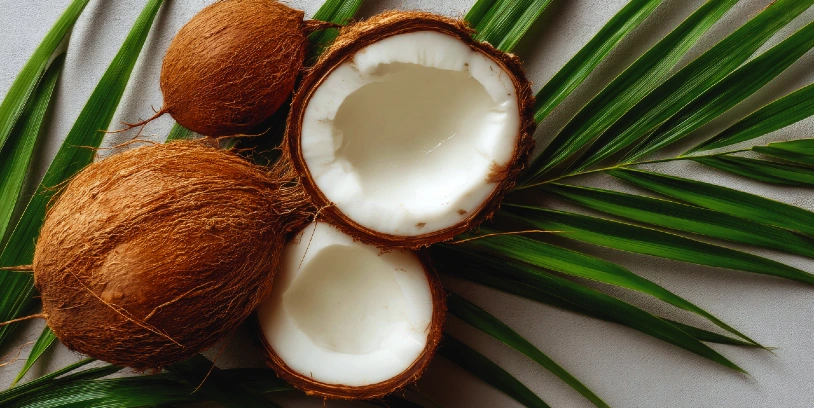
With the arrival of summer, consumers are looking for fresh flavors, convenient options, and experiences that connect enjoyment, nostalgia, and well-being. In this landscape, coconut has established itself as a healthy alternative due to its benefits and culinary applications, as well as its ability to tap into Latino traditions.
Table of contents
Integration Turned Trend
Beyond being a tropical symbol, coconut is positioning itself as a true consumer ecosystem and a protagonist in categories such as natural beverages, sweets, and snacks.
Its water, rich in electrolytes like potassium and other minerals, has become a hydration option increasingly valued by consumers seeking more natural alternatives to traditional drinks.
In the world of snacks and sweets, coconut is experiencing a boom. Today, it is possible to find everything from baked chips, dehydrated bites, and energy bars to stuffed breads, traditional cocadas, chocolates, and ice creams.
Healthier options include coconut and date bites or mixes with tropical fruits. One cannot overlook coconut milk and cream, which are essential bases for preparing desserts, smoothies, and refreshing beverages.
Versatility and Nostalgia: An Opportunity
Coconut-based products offer an attractive combination for the modern consumer: natural energy, healthy fats, and a sensory experience associated with summer. This ingredient successfully connects two major market trends: “better-for-you snacking” and the search for authentic flavors with a cultural identity.
Within the Latino tradition, coconut has been a staple in multiple recipes that remain relevant today and are evolving into innovative offerings through new formats, packaging, and ready-to-consume solutions.
The growth of coconut in the U.S. market supports this trend. It is estimated that the category of coconut-derived products surpassed $3.8 billion in sales, with projections reaching over $6.5 billion by the end of the decade, driven by the demand for natural, functional, and plant-based foods. Coconut water stands out as one of the most dynamic segments, with a market of nearly $2 billion and annual growth rates exceeding 15%.
This boom cannot be understood without the influence of Latino and Caribbean communities, where coconut has historically been a fundamental ingredient in diet and culture. In fact, Latin America accounts for about 27% of global coconut water consumption.
In the United States, the Hispanic consumer represents not only a key segment but also a driver of adoption that has helped position coconut as an increasingly common option in mass consumption.
For Hispanic supermarkets and specialty stores, coconut represents a strategic opportunity to diversify their offerings during the summer season. Its ability to respond to health trends, adapt to multiple formats, and connect with traditional flavors makes it an attractive product for consumers seeking natural and authentic options.
Coconut: A Summer Symbol That Conquers
Coconut is cementing its status as the emblematic fruit of summer: a symbol of freshness, tropical flavor, and nutrition that wins over consumers through its versatility and cultural roots.
Beyond the season, it continues to gain relevance as a proposition that combines tradition, functionality, and adaptability, establishing itself as a strategic opportunity for brands and retailers in a constantly evolving market.