
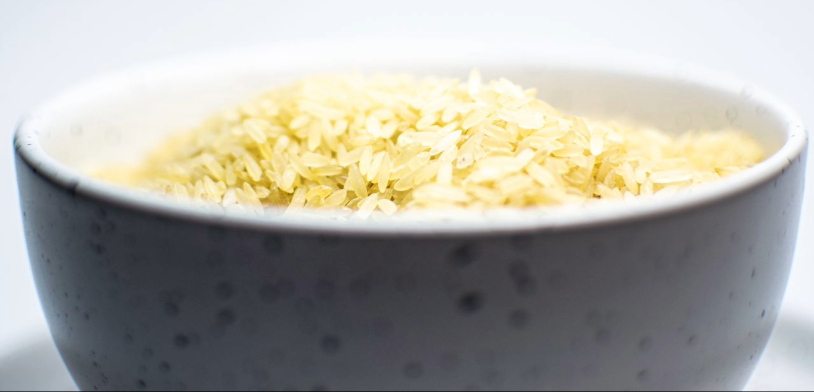
The FDA closed the Lundberg white jasmine rice recall on September 3, 2026. The case began on April 3 and ran for five months before the agency issued a termination notice, confirming that the recalling firm made every reasonable effort to recover the affected product throughout the distribution chain.
The case is now classified as terminated in the FDA enforcement database under record number H-0767-2026.
That distinction matters for any grocer, distributor, or buyer still holding questions about inventory exposure. A terminated recall does not mean the product poses no risk to consumers who may still have it at home; it means the recovery effort at the retail and wholesale level is complete. The official product details, distribution list, and steps for any remaining inventory checks are below.
What the FDA Recalled and Why
The recalling firm listed in the FDA enforcement record is Wehah Farms, based in Richvale, California. Wehah Farms manufactures the product for Lundberg Family Farms, which is the brand name printed on the bag.
The reason for the recall is potential contamination with foreign materials. The company initiated it voluntarily. No illnesses have been reported. The FDA enforcement record does not identify the specific foreign material; any claim about the contaminant goes beyond what the agency has published.
The Official Recall Record
| Product | Lundberg Family Farms White Rice Jasmine, 32 oz (2 lb / 907 g) |
| Recall number | H-0767-2026 |
| Quantity recalled | 27,324 packages (4,554 cases at 6 packages per case) |
| Recall initiation date | April 3, 2026 |
| Classification date | May 7, 2026 |
| Termination date | September 3, 2026 |
| Status | Terminated |
How to Identify the Affected Bags
The recall covers two specific lots, not the brand’s entire jasmine rice line. Four details identify an affected bag:
- UPC: 073416040281
- Lot codes: 260201MA and 260202MA
- Best-by dates: 01FEB2027 (first lot) and 02FEB2027 (second lot)
- Package size: The 2-pound bag only. The 7-pound size and the organic brown jasmine line are not covered.
Lundberg stated the incident was limited to a single production run. The record supports that account: two consecutive lots, two consecutive dates, one manufacturing window.
What a Class II Recall Means
The FDA classified this case as Class II, the category that applies to products that may cause temporary or medically reversible health consequences, with a remote probability of serious harm.
Class I applies when there is a reasonable probability of serious injury or death. This case sits a full tier below that threshold.
A Class II recall requires pulling the product and offering a refund. It does not call for communicating a health emergency.
The 12 States Where the Rice Was Distributed
The FDA record lists distribution in twelve states and no foreign distribution:
California · Connecticut · Florida · Illinois · North Carolina · New Hampshire · New York · Pennsylvania · Tennessee · Vermont · Washington · Wisconsin.
Where the Product Was Sold
Wegmans notified its customers on April 4, the day after the recall began. April coverage also placed the product on shelves at Walmart, Target, and Whole Foods, though those chains issued no notices of their own.
Independent Hispanic grocers rarely appear on a distribution list like this one. National brands reach them through wholesalers rather than direct accounts. When a rice program runs through a broadline wholesaler, the recall notice comes from that wholesaler, or it does not come at all. A direct question to the account rep is the only reliable check. A wholesaler that cannot say which lots it shipped is a gap that will show up again on the next recall.
What a Store Should Do Now
The recall is terminated at the retail and wholesale level. But a bag bought in the spring can still be sitting in a customer’s pantry.
The best-by dates run through February 2027, which means the affected product will remain identifiable for months. Retailers should be prepared for customer returns, and staff should know how to handle them.
Check Remaining Inventory by Lot
Even with the recall terminated, backstock, damaged-goods bins, returns awaiting credit, and pallets staged for donation should be verified. The check runs on codes, not on brand names:
- Search the UPC in the point-of-sale system. UPC 073416040281 covers the entire affected run.
- Match lots against receiving records. Only lots 260201MA and 260202MA apply.
- Extend the check beyond the sales floor. Backstock, overstock racks, the damaged-goods bin, returns awaiting credit, and any pallet staged for donation all sit outside a normal shelf check.
- Request a written report from the wholesaler. Ask which lots shipped to the account and on what dates. That document serves as backup if the FDA runs a follow-up effectiveness check.
Handle Recalled Product Correctly
Recalled product does not go back into inventory or to a food bank. The standard procedure is to separate it, clearly label it, and hold it until the supplier provides disposition instructions. Most wholesalers ask for a count by lot and, in some cases, a photo before issuing credit. Record the count before moving any case.
Brief Staff on Customer Returns
The cashier gets the first customer question. Three details cover it: which bag is affected, which lot codes apply, and that the store accepts the return.
Post a notice where customers will see it: the register area, the rice section, and the customer service desk. In English and in Spanish. A notice posted only on a corporate website does not reach the person who already has the bag at home.
On refunds: set one rule in advance and apply it consistently. A customer who finds the bag in the pantry is unlikely to have a receipt for a purchase made months ago. Requiring proof of purchase on a product that retails for a few dollars costs more than replacing it.
Why the Case Resurfaced in August
The recall itself did not change. What changed is that the FDA published its full enforcement record in the agency’s weekly database, listing the exact quantity and distribution states, five months after the recall began.
That database entry was picked up by dozens of outlets, many of which described the action as an expansion or a new development. It was neither. In April, Lundberg reported the recall covered approximately 4,500 cases of two-pound bags. The federal record lists 27,324 individual packages, the same volume, expressed in different units. The unit of measurement changed; the scope of the recall did not.
The FDA’s enforcement database is a records system, not an alert system. The agency states plainly that a posting there should not be read as an expansion or change to a firm’s voluntary public warning. Companies routinely announce recalls to the public well before the agency completes its classification and adds the record.
What This Case Teaches About Open Recalls
A Class II recall on a shelf-stable product leaves a wide window of time. The best-by dates on this rice run through February 2027, so affected bags can surface in customers’ kitchens for months after the retail sweep is complete. A pantry staple behaves differently from fresh product: a bag bought in March can sit in a cabinet all spring and get opened in September. That timeline works against every shelf sweep.
The broader pattern is documented. During an infant formula recall, the FDA sent inspectors to more than 4,000 stores to verify whether the product had actually been removed from the market. The result, published in December 2025, found recalled product still for sale at more than 175 locations across 36 states. One retailer kept selling it three weeks after the recall began. Another put it on sale.
That case involves a different product category, but it shows the same problem: the notice circulates, and the product stays.
How to Prepare Before the Next Notice
Rice, beans, and tortillas anchor the U.S. Hispanic foods category, which a 2026 Stout industry report places above $40 billion. A category that size regularly generates recall notices.
Regulation is moving in the same direction. The FDA’s traceability requirements under FSMA Rule 204 carry a compliance date of July 20, 2028. Rice does not appear on the Food Traceability List, so this recall falls outside that rule, but the habit it demands, keeping lot-level records you can pull quickly, is exactly what resolves cases like this one.
Recalls also rarely arrive alone. A nationwide recall of vegetable products over listeria concerns in 2019 covered more than 100 products sold under 16 brand names from a single supplier. The next notice may reach a far wider footprint.