
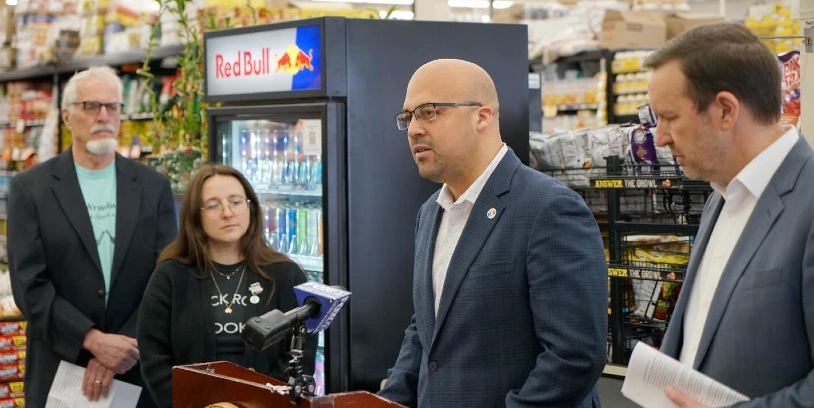
Independent grocers rallied behind the Fair Prices for Local Businesses Act as the National Supermarket Association (NSA) warned that pricing disparities and rising labor costs threaten the sector’s survival.
During a recent General Assembly, the NSA brought together members, suppliers, and policymakers to confront mounting economic pressure on neighborhood supermarkets. The meeting quickly shifted from product showcases to urgent policy debates shaping the industry’s future.
Meanwhile, the Fair Prices for Local Businesses Act took center stage as Senator Chris Murphy unveiled the legislation aimed at curbing price discrimination that burdens independent supermarkets and small retailers nationwide.
NSA Flags Pricing Inequities and Wage Pressures
At the General Assembly, NSA leaders spotlight the uneven playing field created by supplier pricing practices. Independent supermarkets, they argued, continue to pay more than large chains for identical goods.
At the same time, members raised alarms over a proposed $30 minimum wage. Operators warned that higher labor costs could force price hikes, job cuts, and even store closures in underserved communities.
Anthony Peña, NSA president, delivered a blunt message: “Independent supermarkets are not asking for special treatment. We are demanding fair treatment.”
Fair Prices for Local Businesses Act Targets Corporate Price Discrimination
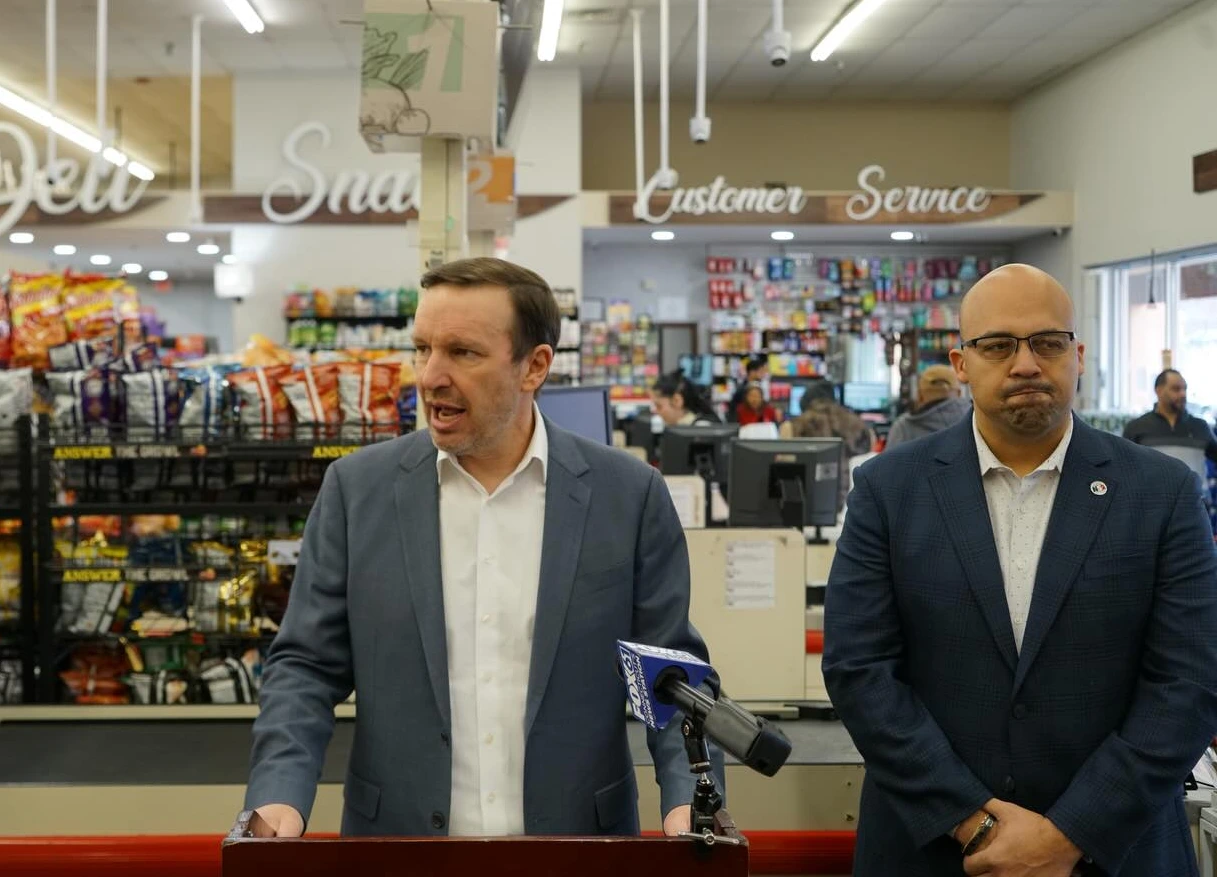
Momentum around the Fair Pricing for Local Businesses Act intensified following Senator Murphy’s visit to a grocery store in Hartford, Connecticut.
He introduced the bill alongside key industry figures, including NSA president Anthony Peña. He framed the proposal as a long-awaited correction to pricing practices that favor large chains over neighborhood stores.
Lawmakers backing the measure, including Richard Blumenthal, John Fetterman, Ruben Gallego, and Peter Welch, argue that dominant retailers have long exploited their scale to secure better pricing.
The bill introduces several key reforms:
- It eliminates the “meeting competition” defense, which allows suppliers to justify lower prices for large buyers.
- It holds major retailers accountable by removing legal hurdles that require proof of intent.
- It expands protections to include services such as delivery platforms and payment systems.
- It simplifies damage claims for small businesses harmed by discriminatory pricing.
Murphy said the legislation would provide regulators and small businesses with stronger tools to challenge unfair practices.
Related Article: Private Label CPG Growth Hits $330 Billion
FTC Scrutiny Adds Urgency to Reform Push
Federal regulators have already begun examining pricing behavior among major corporations. The Federal Trade Commission investigated alleged coordination between PepsiCo and Walmart that may have disadvantaged competing grocers.
Although those findings remain contested, they intensified scrutiny on supplier relationships and pricing structures across the grocery sector.
Industry advocates argue that without reform, large retailers will continue to widen the competitive gap.
Independent Supermarkets Warn of Community Impact
For the NSA, the issue extends beyond margins. Independent supermarkets often anchor local economies, particularly in working-class and immigrant neighborhoods.
When those stores disappear, communities lose access to fresh food, local jobs, and economic stability. Food deserts expand, and consumers face fewer choices and higher prices.
Peña emphasized that fair pricing policies would help preserve those community benefits. He argued that leveling the playing field would allow smaller operators to compete on service and quality, not just purchasing power.
Broad Coalition Backs Reform
The legislation has drawn support from a wide coalition of business and advocacy groups, including the Open Markets Institute, Small Business Majority, and the Independent Restaurant Coalition.
Advocates say the issue extends beyond grocery retail. Restaurants, bookstores, and farmers also face higher costs due to pricing disparities driven by corporate scale.
They contend that stronger enforcement could restore competition, stabilize local economies, and lower prices for consumers.
Peña emphasized that fair pricing is not just a business issue but a community one. “When neighborhood grocers disappear, families lose access and stability,” he said.
Meanwhile, NSA members signaled that they will continue to press lawmakers for action. As policy debates intensify, independent grocers appear determined to make their case in Washington.