
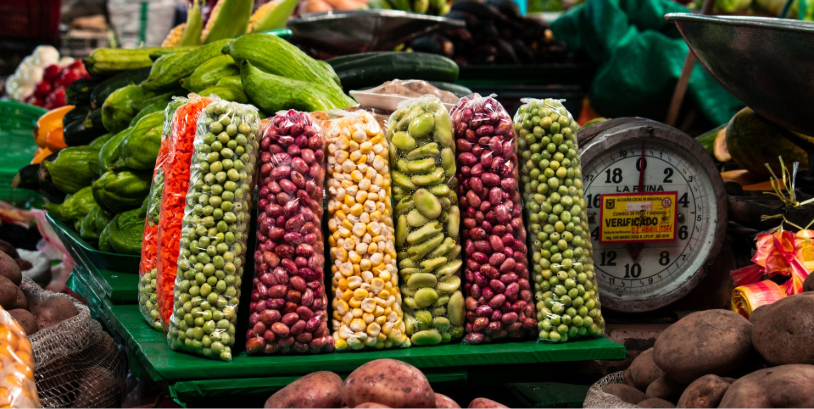
A Hispanic food distributor includes the products businesses need to serve the culinary industry in its catalog. Companies that sell Latin American food rely on it to source their essential ingredients.
The catalog details brands, product categories, and packaging formats for buyers. This makes it easier to maintain a steady supply of the staple products Hispanic families consume across the United States.
Restaurants, bodegas, and supermarkets use this resource to review the available product selection. Having this information helps streamline ordering and shelf stocking.
The selection includes high-demand products for different budgets and business sizes. With this comprehensive list, merchants can choose exactly what their business needs.
Table of contents
What Is a Hispanic Food Distributor Catalog?
This commercial guide organizes products by category so customers can quickly find what they need. It lists product names, brands, and the exact quantities included in each case.
Businesses can browse the distributor’s complete product offering without sorting through scattered lists. The catalog makes it easy to compare options in one place before placing an order.
It serves as the foundation of inventory planning for Hispanic grocery stores and restaurants. Reviewing it gives buyers a clear picture of the distributor’s inventory and helps them plan future purchases.
What Is It Used for in Restaurants, Stores, and Supermarkets?
A Hispanic food distributor catalog helps restaurants choose the ingredients they need for their daily menus. The selection includes meats, sauces, spices, and beverages.
Latin grocery stores also rely on this resource to stock their shelves. It allows them to offer authentic products from Hispanic countries that customers request every day.
Likewise, supermarkets use the catalog to organize purchases across multiple departments at once. This saves valuable time when searching for specific products.
A well-designed catalog includes the products the community is looking for. As a result, businesses can review inventory in seconds, simplify purchasing decisions, and improve day-to-day operations.
Why It Matters for Wholesale Buyers
Viewing the complete product selection in one catalog eliminates the need to ask about each item individually. Buyers can browse entire categories at once and prepare orders more efficiently.
Large retailers and wholesale businesses use the product list to stock multiple store locations and commercial kitchens. It becomes much easier to compare brands, packaging sizes, and bulk purchasing options.
The catalog also highlights best-selling products so businesses can schedule replenishment before inventory runs low. This helps warehouses stay stocked and prevents wholesalers from losing sales.
What Products Are Included in a Hispanic Food Catalog?
A Hispanic food catalog brings together both traditional and modern Latin American food products. It includes everything from pantry staples to beverages, sauces, and essential seasonings.
A Hispanic food distributor organizes products into categories to meet the needs of restaurants and retail stores. It also offers seasonal specialties and a wide variety of authentic products.
This extensive selection makes it easier for businesses to maintain a complete inventory. The more organized and comprehensive the catalog is, the more useful it becomes when placing orders.
Pantry Staples and Dry Goods
This section features long-lasting essentials that every pantry and commercial kitchen needs. Many businesses regularly order products such as:
- Rice, beans, flour, sugar, and pasta.
- Cookies, coffee, cereals, and popular snacks.
Latin grocery stores depend on this category to meet their customers’ weekly shopping needs. The variety available reflects the distributor’s ability to maintain a well-stocked inventory.
Dry goods can be stored for months and are ideal for preparing large quantities without spoilage. Purchasing them from one supplier simplifies the ordering process.
Traditional Latin Beverages
These products are an essential part of every commercial catalog because they connect customers with familiar family traditions and nostalgic flavors they miss while living in the United States.
Store owners and restaurant operators frequently review this section to source high-demand traditional Latin beverages, including:
- Juices, nectars, soft drinks, and malt beverages.
- Atole, traditional coffee, and hot chocolate.
Retailers enjoy consistent sales with these products while building customer loyalty. The catalog includes both single-serve packaging and bulk formats to meet different business needs.
Sauces, Seasonings, and Spices
These products preserve the authentic flavor of Latin cuisine. Every brand and variety is carefully organized into a dedicated catalog section that includes:
- Seasoning blends, adobos, chili peppers, and bouillon.
- Hot sauces, sofritos, vinegars, and regional dressings.
These products require minimal shelf space while allowing stores to offer a broad selection. A well-stocked Hispanic food distributor places significant emphasis on this category.
In retail stores, these items consistently attract families preparing authentic Latin meals. Loyal customers often return specifically for their favorite seasonings, helping maintain steady sales.
Canned Goods and Packaged Foods
These products provide convenience while keeping inventory stable for weeks. This section commonly includes ready-to-use products such as:
- Vegetables, beans, soups, and fruit in syrup.
- Tuna, prepared sauces, and packaged foods.
Latin grocery stores rotate this inventory quickly because it simplifies everyday meals and traditional recipes. These products are easier to store than fresh items and make inventory management more efficient.
Fresh and Refrigerated Food Categories
Cold-storage products are an important part of any complete commercial catalog. Businesses specializing in prepared foods and daily retail sales often look for:
- Latin cheeses, sour cream, yogurt, and premium deli meats.
- Fresh dough, tortillas, and ready-to-cook products.
These refrigerated items experience high turnover because they are essential ingredients in countless recipes. Freshness and trusted brands attract customers to grocery stores and supermarkets alike.
Frozen Products in the Catalog
This section expands the offerings of a Hispanic food distributor by covering products local businesses frequently demand, including:
- Frozen fruits, vegetables, and fruit pulps.
- Meats, seafood, and prepared meals.
These products remain fresh for months in storage while reducing kitchen preparation time. They are ideal for Latin grocery stores and restaurants seeking greater operational efficiency.
Brands and Packaging Formats Commonly Included
A Hispanic food distributor catalog features brands that the Hispanic community instantly recognizes, along with emerging brands that perform exceptionally well in the market.
Brand recognition strongly influences purchasing decisions because customers naturally trust familiar products. Packaging size is equally important since different businesses purchase different quantities.
Convenience stores often choose smaller packages, while supermarkets typically purchase larger formats. Offering multiple sizes allows businesses to compare pricing, value, and performance.
This flexibility helps retailers select products that fit their budgets. A broad selection of brands and packaging formats creates more opportunities to stock stores effectively.
Products Designed for Different Types of Customers
A distribution company serves far more than one type of buyer. Its catalog is designed for supermarkets, bodegas, Latin grocery stores, restaurants, and food service operations.
Every business purchases products based on its customers and sales volume. For that reason, products are organized so buyers can quickly locate the items most relevant to their operations.
For example, cooking ingredients are separated from individually packaged retail products. This organization allows businesses to prepare orders quickly and efficiently.
Catalog for Hispanic Restaurants
Restaurant catalogs focus on ingredients used regularly to create authentic menu items, including:
- Fresh meats, cheeses, sour cream, and tortillas.
- Rice, beans, sauces, and essential seasonings.
- Traditional beverages and bulk packaging for high-volume use.
Restaurants need products that deliver consistent quality, authentic flavor, and reliable performance in commercial kitchens. The catalog offers large package sizes designed for high-volume operations.
Organizing products by category saves valuable time when preparing weekly orders, allowing kitchens to operate smoothly and serve customers without interruptions.
Catalog for Bodegas, Convenience Stores, and Latin Grocery Stores
This section includes everything from canned and packaged foods to snacks and beverages commonly sold in neighborhood stores. Retailers typically look for trusted brands and practical packaging options.
They prioritize fast-moving products to maximize limited shelf space. The catalog makes it easier to build inventory based on the preferences of local customers.
It also combines everyday grocery essentials with authentic Latin products that are difficult to find in large retail chains. This strengthens the store’s identity and encourages long-term customer loyalty.
Catalog for Supermarkets and Food Service Businesses
These customers purchase in high volumes and require organized inventory systems. A Hispanic food distributor structures the catalog to simplify large-scale ordering.
Major supermarket chains focus on products most requested by the Hispanic community, while food service operations prefer bulk packaging, trusted brands, and dependable supply.
This product guide groups high-performance ingredients that allow businesses to stock entire operations with fewer purchases. Clearly organized categories save significant time during daily inventory management.
Customers highly value efficiency and transparency when reviewing a distributor’s product selection. Meeting these expectations demonstrates professionalism, builds credibility, and earns long-term trust.