
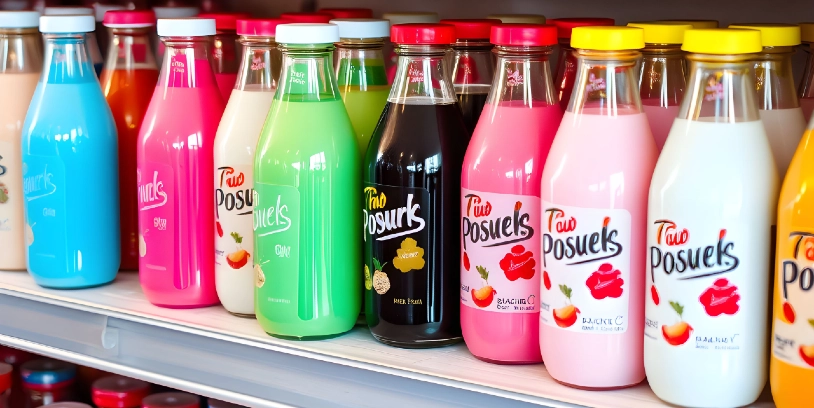
A food product’s logo is not mere decoration. It is the very first indicator of trust a consumer evaluates—often subconsciously—before deciding to pull the product off the shelf or keep walking. A cohesive, well-proportioned logo with a clear visual identity communicates that a reputable company stands behind the product—one that has thought about its consumer and intends to stay in the market.
In the food and beverage sector, a product that fails to communicate who it is, who it’s for, and why it’s worth buying within two seconds simply will not sell. It doesn’t matter how much hard work went into it, nor does the quality of the ingredients or the family history behind it matter. On the shelf, the logo is the first unspoken conversation, happening entirely through visual identity, and that conversation lasts less time than it takes for a consumer to take a single step.
For Hispanic food and beverage entrepreneurs looking to scale beyond their local markets, the logo directly impacts every brand development decision they make—or postpone. The logo matters because while brand loyalty in the Hispanic market is high, so is cultural scrutiny.
When a Hispanic consumer sees a product that resonates with their identity, heritage, or culinary roots, they will try it. However, if the visual execution looks sloppy, it sends an ambiguous signal: Is it authentic, or is it an imitation? Is it worth the asking price? At the point of sale, doubt is almost always resolved in favor of the familiar product.
The Mistake Emerging Hispanic Brands Make
There is a recurring pattern among Hispanic producers taking their first steps into modern retail channels. The product is ready, the recipe is excellent, and the price is competitive. Yet, the visual identity was treated as an afterthought—rushed through with a minimal budget because “the flavor is what matters.” The result is a logo that doesn’t scale well, gets lost on the shelf, and fails to perform on both the label and the sell sheets presented to category buyers.
That temporary logo becomes an expensive problem to fix later down the road, when the brand already has a market presence and any change to its visual identity requires redesigning packaging, sales collateral, and digital assets all at once.
The key is to take visual identity seriously from the very beginning. Today, that is within reach for any food entrepreneur without the need to hire a traditional agency. Tools like Canva’s Logo Maker allow you to build a solid visual identity with a professional touch that adapts to any format, bypassing the timelines and costs of a traditional design process. A producer who knows what they want to communicate and who their audience is has everything they need to make that strategic decision on day one.
Brand Identity and Cultural Identity: A Turnkey Advantage for the Hispanic Market
Major food brands have mastered something that emerging Hispanic producers sometimes fail to fully leverage: cultural authenticity is currently one of the most valuable brand assets in the U.S. food market. Hispanic consumers don’t want products that mimic what they know; they want the real deal, or at least the most honest expression of that culinary heritage.
This creates a massive advantage for Hispanic producers who know how to translate that authenticity into a cohesive visual identity. A logo that cleverly incorporates cultural references without falling into cheap cliches communicates heritage, quality, and pride all at once. This connects deeply with Hispanic consumers, as well as increasingly with non-Hispanic consumers seeking a genuine experience in Latin foods.
Related Article: Quick Guide to Reach the Hispanic Digital Consumer
The Chain Reaction That Begins with the Logo
A brand’s visual identity or logo is the starting point for a chain reaction that defines how the product interacts with the world. The logo is the first thing a category buyer sees when reviewing a pitch deck. It’s what appears on social media before anyone has even tasted the product. It’s what the consumer remembers when they return to the aisle.
A Hispanic food brand that enters the market with a clear, consistent, and culturally authentic visual identity gains a compounding advantage over time. Every touchpoint reinforces brand recognition, every sale builds familiarity, and in the food and beverage industry, familiarity is the most direct path to loyalty. Building that identity from day one is the investment that makes all future success possible.